Islands have long been the backdrop for some of history’s most chilling and unexplained events. Remote, isolated, and sometimes untouched by human civilization, these forgotten lands hold stories of survival, death, betrayal, and the unknown.
What follows is a look at some of the most bizarre, eerie, and haunting deserted islands with histories that send shivers down the spine.
North Sentinel Island
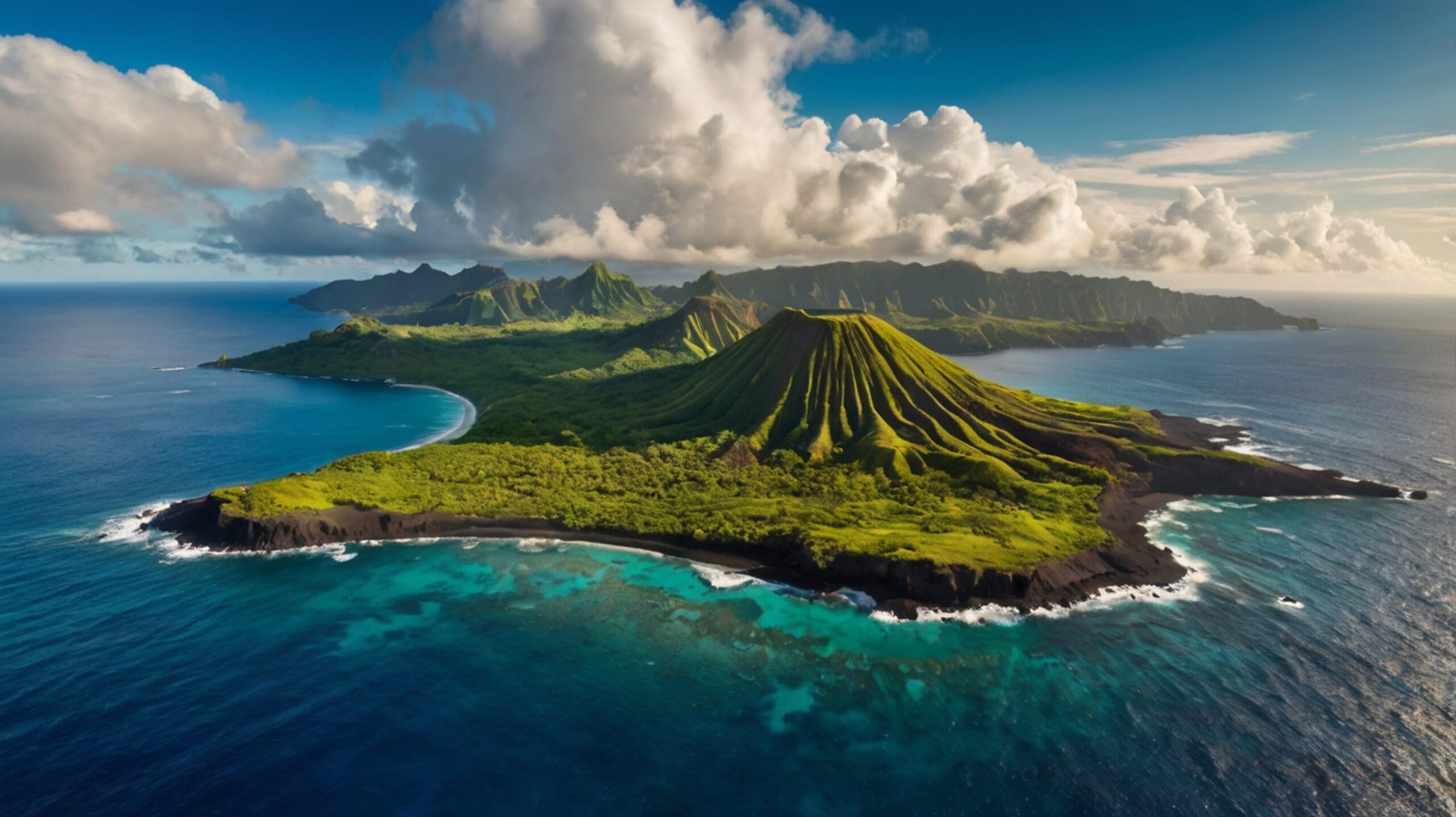
Located in the Bay of Bengal, North Sentinel Island is infamous for its violent resistance to outsiders. Home to the Sentinelese, one of the last uncontacted tribes, this island has remained untouched by modern civilization for thousands of years.
The tribe is known for its hostility toward any foreign intrusion, launching arrows at any boat or aircraft that dares to approach. In 2006, two fishermen lost their lives after drifting too close, and in 2018, American missionary John Allen Chau met a similar fate, killed by the very people he sought to convert.
The Indian government has established a 3-mile exclusion zone around the island, but what remains a mystery is the tribe’s way of life, undisturbed and secretive, keeping the world at bay.
Ilha da Queimada Grande (Snake Island)
Just off the coast of Brazil, Ilha da Queimada Grande, or Snake Island, is home to a deadly population of venomous snakes, particularly the golden lancehead viper. This island holds the dubious honor of having the world’s highest concentration of snakes, with 1 to 5 snakes per square meter.
The venom of these serpents can melt human flesh, making the island utterly dangerous. The last attempt at habitation was made by lighthouse keepers in the 1920s, who were found dead, victims of the snakes’ relentless attacks.
To this day, the Brazilian government forbids anyone from setting foot on the island, leaving it as a perilous reminder of nature’s power.
Clipperton Island
Clipperton Island, remote in the Pacific Ocean, witnessed a brutal descent into madness. In 1914, a group of Mexican families was left on the island to mine guano, only to be abandoned when the Mexican Revolution cut off their supply ships.
The men perished from disease and starvation, leaving the women and children at the mercy of the lighthouse keeper, Victoriano Álvarez. Álvarez declared himself “king” of the island and subjected the survivors to horrific abuse.
In 1917, the women finally killed him, but by then, only three women and eight children remained. The ghostly island, now uninhabited, stands as a chilling reminder of human cruelty and survival.
Flannan Isles
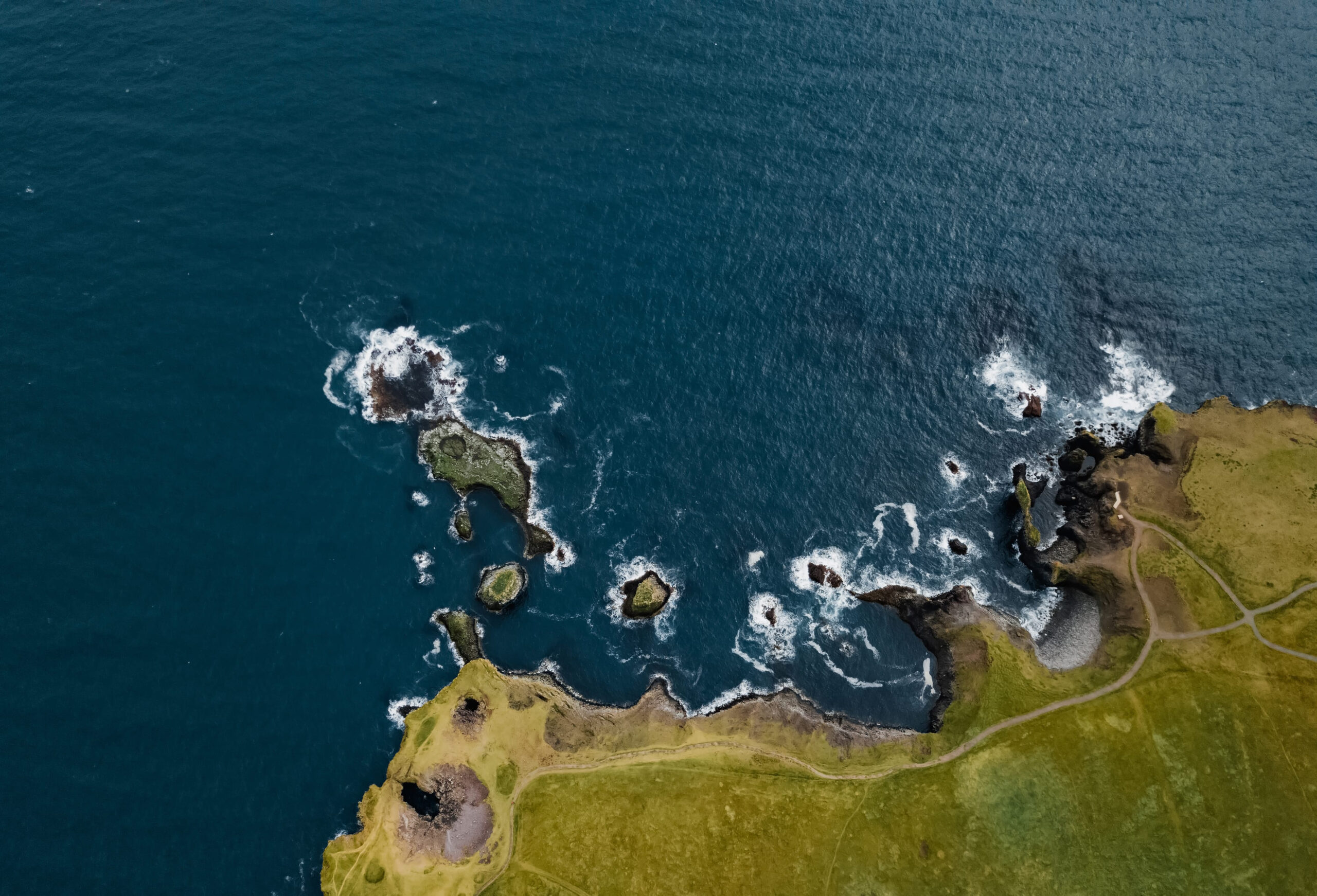
The Flannan Isles, off the coast of Scotland, are home to one of the most perplexing disappearances in maritime history. In December 1900, three lighthouse keepers, Thomas Marshall, James Ducat, and Donald MacArthur, vanished without a trace.
When their relief vessel arrived, they found the island eerily empty, with no sign of the men. The lighthouse was still operating, but their logbooks contained strange entries, with one even stating, “storm ended, sea calm.
God is over all.” Despite an extensive search, no bodies were ever found, and the mystery of the missing men remains unsolved. The island’s eerie silence continues to haunt those who study the case.
Palmyra Atoll
Located 1,000 miles south of Hawaii, Palmyra Atoll is a seemingly idyllic tropical paradise, but its history is anything but serene. In 1974, the yacht Sea Wind arrived at the atoll with two couples aboard, but only one couple ever left.
Malcolm and Eleanor Graham were brutally murdered, their bodies never fully recovered, and the surviving couple was convicted of the crime.
This mysterious event is only one of many, with reports of electromagnetic anomalies, disappearing researchers, and bizarre disappearances plaguing the island. The atoll’s haunting reputation and inexplicable occurrences continue to fuel theories of a malevolent force inhabiting the land.
Elephant Island
On the icy shores of Antarctica, Elephant Island is forever linked to Ernest Shackleton’s legendary expedition. After their ship, Endurance, was crushed by ice, Shackleton and his crew of 28 men spent months drifting on ice floes before reaching the island.
While Shackleton and a few others set off on an 800-mile journey to find help, the remaining crew survived by turning their lifeboats into makeshift shelters and living off seal blubber and penguin meat.
Despite the extreme cold and starvation, every man survived, an extraordinary testament to human resilience. The island remains a remote and inhospitable place, visited only by the bravest explorers.
Roatan Island
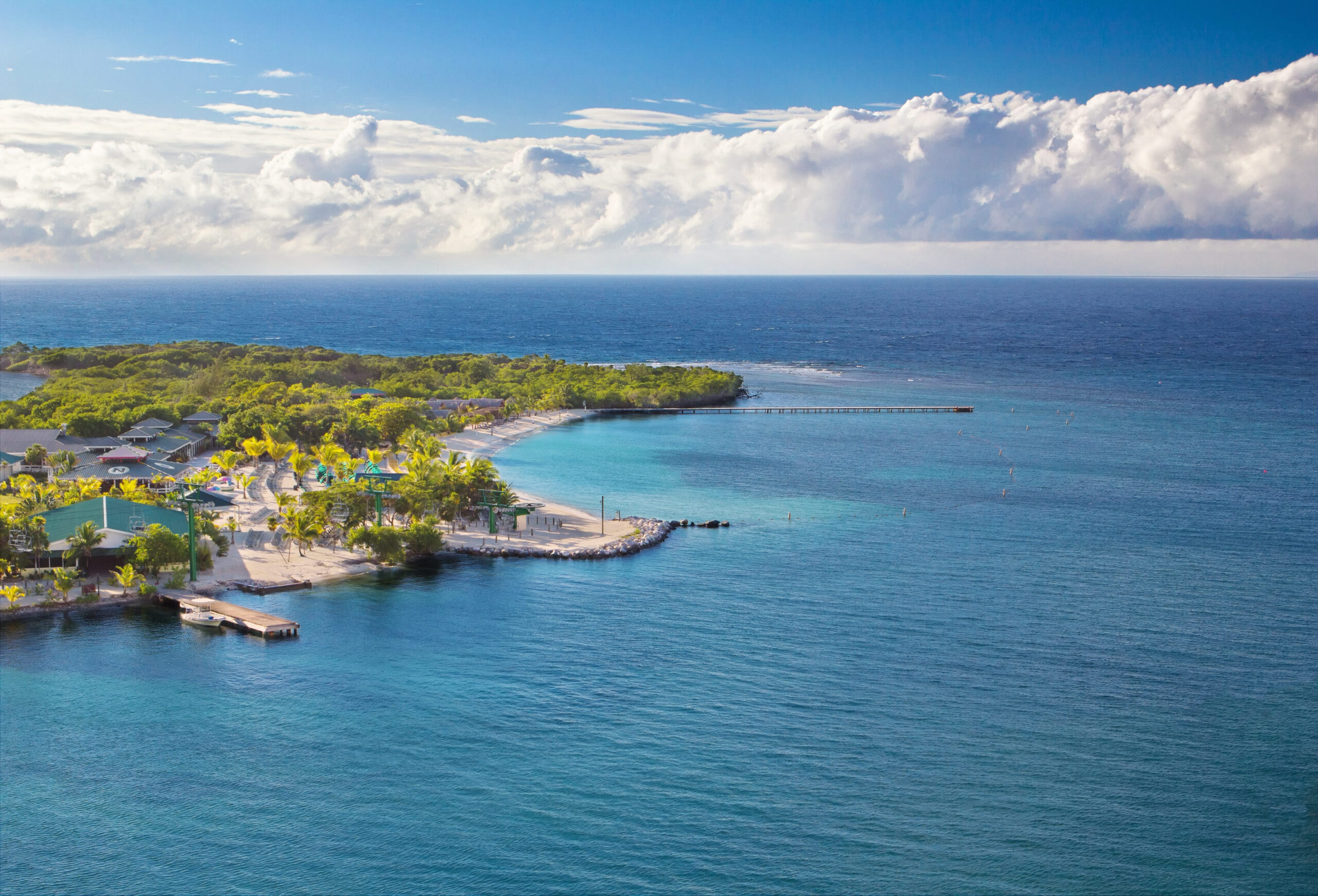
Roatan Island, part of Honduras, is not only infamous for its beautiful beaches but also for its association with a remarkable survival story. In 1722, Philip Ashton, a Massachusetts fisherman, was captured by the notorious pirate Edward Low.
After a harrowing nine months in captivity, Ashton managed to escape and found refuge on the uninhabited island of Roatan.
Struggling for 16 months in complete isolation, Ashton survived on fruit and raw turtle eggs, his only contact with another human being coming when a fellow castaway appeared, handed him supplies, and disappeared.
Ashton’s tale of survival, along with rumors of buried pirate treasure, has made the island a focal point for historians and adventurers alike.
Más a tierra (Robinson Crusoe Island)
Most are familiar with Robinson Crusoe, but fewer know the real-life inspiration behind the character: Alexander Selkirk. In 1704, Selkirk was abandoned on Más a Tierra, now known as Robinson Crusoe Island, after a dispute with his ship’s captain.
His four-year stay on the island led to a breakdown; he built huts, hunted goats, and even trained cats to protect him from rats.
By the time he was rescued in 1709, he had become almost feral, with his appearance and speech barely recognizable. His ordeal serves as a grim reminder of the psychological toll isolation can exact.
The Isle of Demons
The Isle of Demons, off the coast of Newfoundland, holds one of the darkest marooning stories. In 1542, French noblewoman Marguerite de la Rocque was abandoned on the island by her uncle after being caught in an affair.
Alone with only a servant and her lover, Marguerite survived for two years under horrific conditions. The island’s harsh climate, wild animals, and scarcity of food took the lives of her companions, but Marguerite fought on, eventually being rescued.
The island’s name, “Isle of Demons,” reflects its dark reputation, as local indigenous people believed it was haunted by evil spirits.
Jure Sterk’s Ghost Island
In 2009, Slovenian sailor Jure Sterk set out on a solo circumnavigation of the globe but vanished in the waters near Australia. His boat, Lunatic, was later found abandoned with no sign of Sterk.
His last log entry abruptly ended, and his coordinates pointed to an unnamed island not shown on any maps. The island’s location remains a mystery, and the story has sparked numerous theories, from rogue waves to more unsettling, supernatural explanations.
The island’s ghostly nature and Sterk’s unexplained disappearance add a layer of mystery to this maritime enigma.
Conclusion
The isolated islands listed above all share a common thread: each one is marked by mystery, survival, and tragedy. From the hostile Sentinelese on North Sentinel Island to the haunted Palmyra Atoll, these remote places serve as a reminder of nature’s power and the fragility of human existence.
Some islands are still steeped in mystery, their histories waiting to be uncovered, while others have become solemn monuments to survival against unimaginable odds.
Each one of these islands tells a story of human endurance, mystery, and, in some cases, a deep-seated darkness that refuses to be forgotten.