Throughout history, women have faced countless challenges, yet there have been moments when being a woman was not just a matter of survival but a position of power, respect, and influence.
Despite the obvious struggles, women across civilizations found unique advantages that enabled them to shape the world in unexpected ways.
From leadership roles to personal freedom, let’s explore 10 surprising instances where women thrived throughout history.
Spartan Women
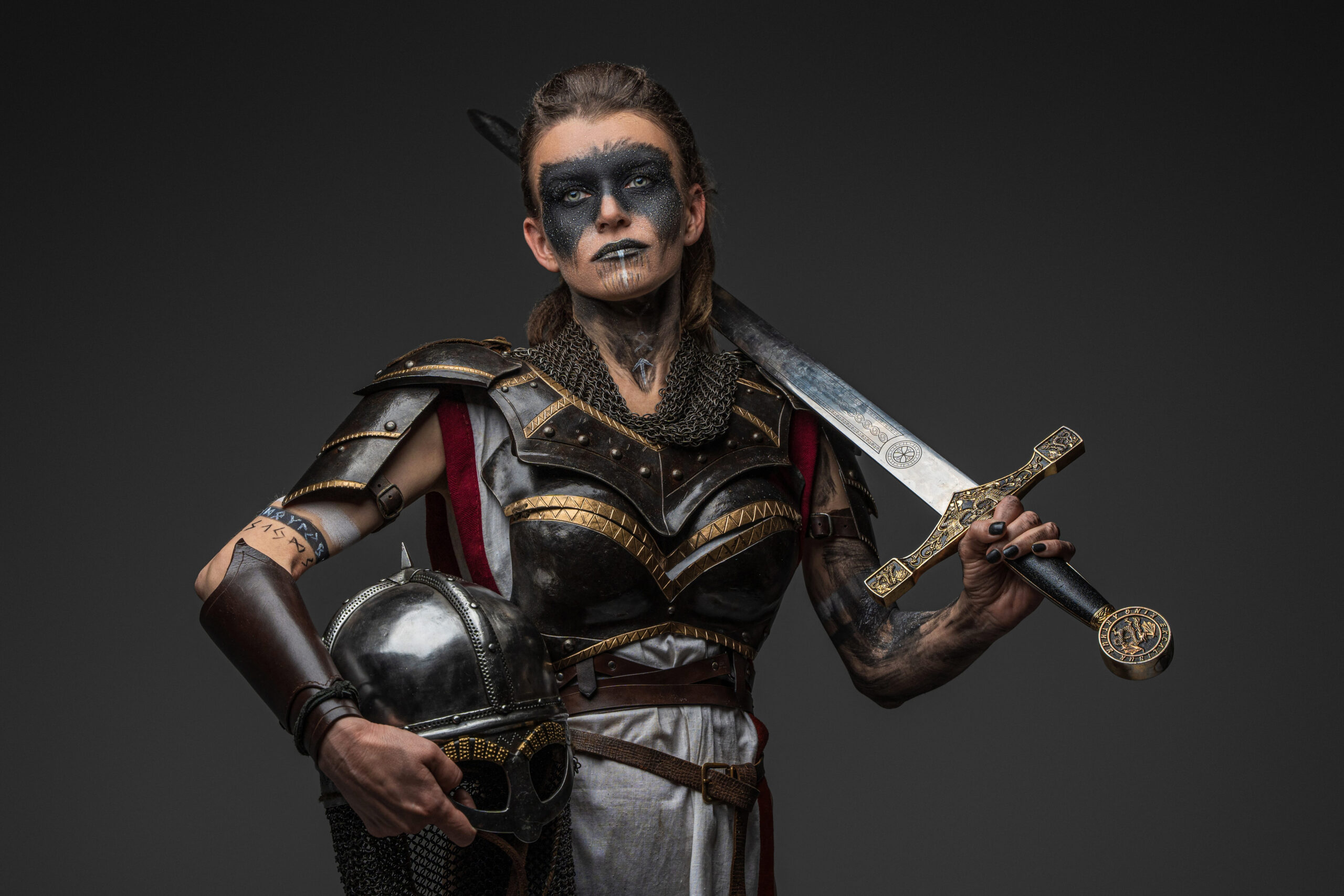
In ancient Sparta, women were granted freedoms that were unheard of in other Greek city-states. While their male counterparts were off fighting battles, Spartan women were left to manage estates and raise strong future soldiers.
They were encouraged to compete in athletic events, own property, and even receive an education. Spartan women’s financial and social power was notable; they often controlled family wealth, and some even benefited financially during their husbands’ absences at war.
This remarkable autonomy was not just about comfort; it was strategic. Spartan women were seen as essential to the state’s military might.
Their roles went far beyond traditional domestic duties, positioning them among the most empowered women of the ancient world.
The Role of Women in Ancient Egypt’s Political Landscape
While male pharaohs dominated ancient Egypt, there were instances when women were not just part of the royal line but at the center of power.
Women like Queen Hatshepsut and Cleopatra VII reigned as pharaohs, making critical political decisions and leading Egypt through times of prosperity and war.
Their leadership was not a mere footnote in history; it was essential to the survival and success of one of the greatest civilizations.
What’s fascinating is that women were often placed in power during times of crisis or instability, acting as regents or sole rulers in the absence of male heirs. This reflects a society that, despite its patriarchal norms, recognized the strategic and diplomatic value of female leadership.
Matriarchal Societies
Throughout history, certain cultures turned the traditional gender hierarchy on its head, putting women in charge. One such example is the Mosuo people of China, a matrilineal society where lineage and inheritance are passed through the mother.
Here, women not only head households but also control property and make key decisions. This unique system has allowed women to retain influence over both their family’s wealth and social structure, offering a powerful contrast to patriarchal norms.
Similarly, on the island of Kihnu in Estonia, women have traditionally taken the lead while men were away at work or in the military. This matriarchal society shows that women’s leadership was not just a result of circumstance but a vital part of the community’s stability.
Women in Ancient Greece
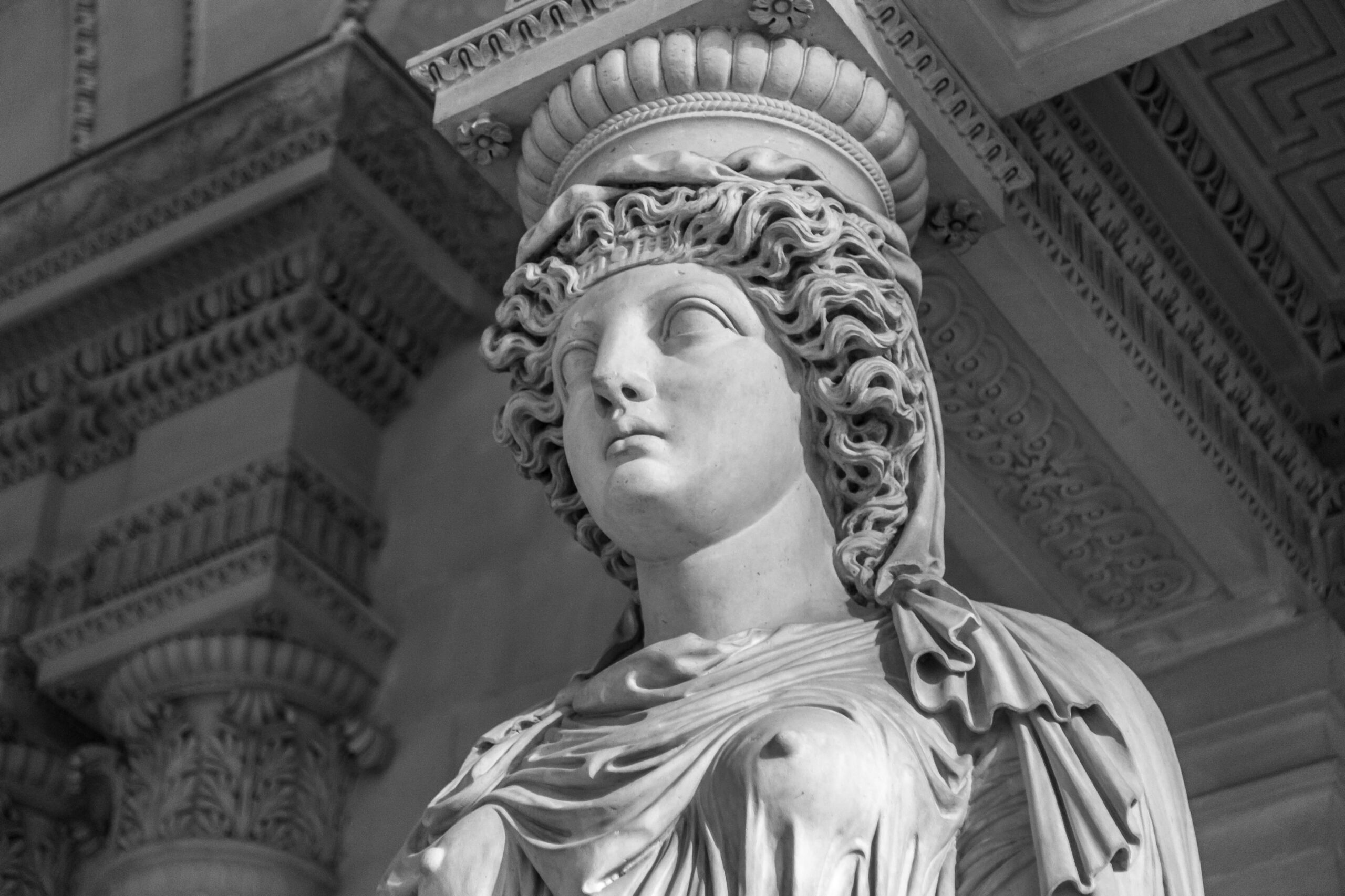
In ancient Greece, women were often seen as dangerous, not for their physical strength but for their intellect. Philosophers like Hesiod feared women’s potential to spark rebellion and political unrest. In his writings, women are portrayed as powerful figures who could outwit even the gods.
This fear of women’s cleverness shows that, even in a society dominated by male thinkers, there was a recognition that women possessed a form of intelligence that could not easily be ignored.
Though the patriarchy often suppressed women’s rights, the ancient Greek worldview occasionally acknowledged that women were more than capable of shaping society, if only given the chance.
The Divine Power of Women
Marriage has long been a tool for women to gain power, but in ancient Mesopotamia, some women took this concept to another level by marrying gods. One notable example is Enheduanna, a high priestess in Ur, who used her position as the “wife of the god Nanna” to consolidate power and influence.
Inanna, the goddess of love and war, was often invoked by kings to legitimize their rule. By aligning themselves with powerful deities, women in ancient societies were able to increase their political leverage in ways unimaginable elsewhere.
These strategic marriages didn’t just solidify a woman’s power; they often gave her authority over both religious and political spheres, making her a key figure in the governance of her city or kingdom.
Pregnancy

In medieval England, women could sometimes avoid the death penalty by claiming pregnancy. This legal tactic, known as “pleading the belly,” allowed women to delay execution if they were suspected of crimes, particularly during the 14th to 19th centuries.
The claim was taken seriously, and courts would then assess whether the woman was truly pregnant, often granting her additional time before her sentence was carried out.
This legal loophole is a fascinating example of how women, despite being marginalized in many ways, found a way to manipulate legal systems in their favor.
Scythian Women
One of the most compelling stories of women in history comes from the Scythians, an ancient nomadic group that served as the real-life inspiration for the Greek myth of the Amazons.
Scythian women fought alongside men in battles, riding horses and wielding bows just as fiercely as their male counterparts.
Their combat prowess made them feared and respected across the ancient world, and their legacy as warriors still fascinates historians today.
These women were not mere symbols of strength, they actively participated in shaping the course of history, challenging gender norms and proving that women were just as capable as men in the art of war.
Women as the Geniuses Behind Cave Art
Recent studies suggest that women might have played a far more significant role in prehistoric art than previously believed. Evidence from ancient cave paintings, such as handprints, suggests that women created up to 75% of the artwork.
While some archaeologists have argued that these works were created by young men, the artists’ gender remains debated.
Regardless of the exact figures, this discovery highlights the significant, albeit often overlooked, role that women may have played in shaping early human culture. Through their art, women may have left an indelible mark on history.
The Matriarchal Strength of Early European Societies
Women in early European societies weren’t just confined to domestic spaces; they were essential to the labor force. Archaeological evidence from Cambridge University suggests that women in ancient Europe engaged in physically demanding work, including farming and other agricultural tasks.
Some women even exhibited muscular strength comparable to that of elite athletes today, showing that women were not just caretakers but vital workers in their communities.
This challenges modern assumptions about historical gender roles and emphasizes that women in ancient societies were often integral to the survival and success of their communities.
Women in Power During Times of Crisis

Throughout history, there have been times when women were thrust into leadership positions not because of their gender but because of necessity. In times of political instability, women were often appointed as regents or rulers, trusted to guide kingdoms through turbulent periods.
Whether acting as the sole ruler or as a caretaker for a younger monarch, women have held the reins of power in times of need, serving as the stabilizing force in uncertain times.
Women in history did not always have to wait for the right moment; they created their own opportunities to lead, often during the most difficult of times.
Conclusion
While history has been predominantly written by men, the stories of women who defied the odds and carved out spaces for themselves in a male-dominated world are both inspiring and empowering.
From wielding political power to breaking gender norms in war, these women left lasting legacies that challenge our understanding of what it means to be a woman in history.
Their resilience, strength, and determination continue to inspire generations, proving that, while the world may not always recognize their contributions, women have always had the power to shape history in their own unique ways.