When we think of body odor, we usually point to poor hygiene or sweaty workouts. But did you know that the food you eat can contribute to your body’s natural scent?
It’s true: what goes into your body can have an impact on how you smell. Some of our favorite, nutrient-packed foods might be the ones that make us sweat a little more, and not just from the heat.
While it might seem a little awkward, it’s all thanks to the compounds in these foods that make their way through our bloodstream and out of our pores. Let’s explore the science and story behind these foods that leave a lingering impact!
Garlic
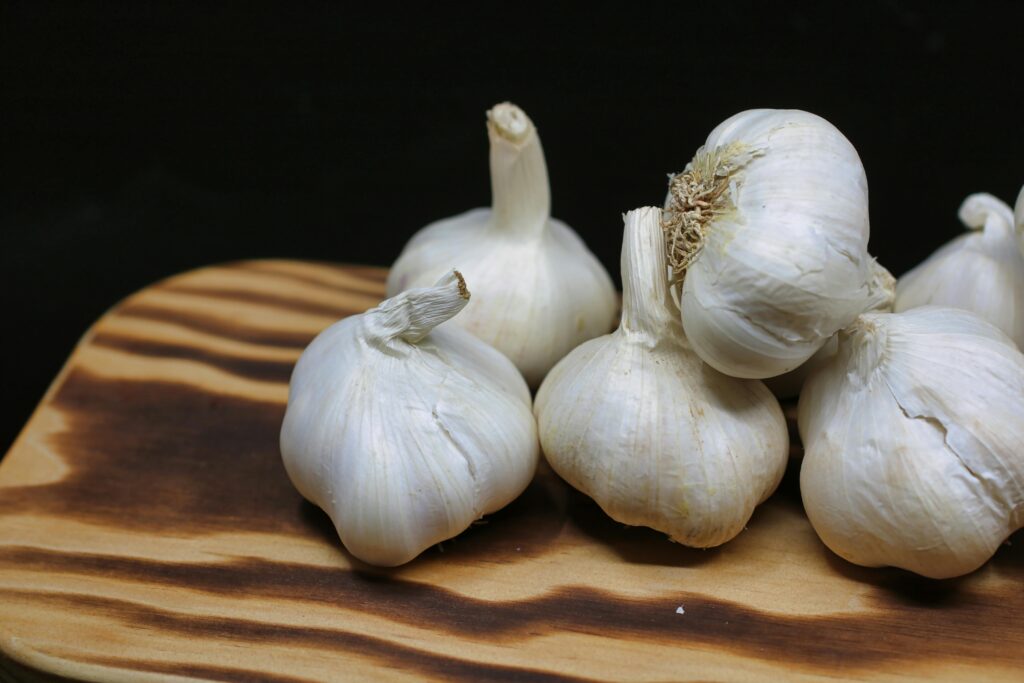
Garlic is undoubtedly a flavor hero, whether it’s roasted, sautéed, or mixed into a pasta sauce. But while garlic’s rich, savory flavor brings meals to life, it also brings an unforgettable scent to your body.
The key here is allicin, a sulfur compound in garlic that gives it its pungency. When you eat garlic, your body breaks it down and releases sulfur compounds into your bloodstream. These compounds exit through your pores, leaving behind that unmistakable garlic scent. This is why, after a garlic-heavy meal, you might find yourself smelling like you’ve just rolled in a garlic field.
It’s not just your breath; your skin will hold onto that smell for hours, sometimes even days! To reduce garlic’s impact, chew parsley, which is known to neutralize its odor, or drink green tea, which has natural deodorizing properties.
Onions

Like garlic, onions have an intense, lingering scent. Onions contain sulfuric compounds that break down when you slice or cook them. These compounds are absorbed into your bloodstream and expelled through your sweat, making your body smell like you just spent the day at an onion festival.
The stronger the onion (think raw onions versus cooked), the more potent the smell. This sulfur-packed veggie is particularly notorious for affecting your breath, too. If you’re not careful with how much you consume, the onion smell can linger longer than you’d like.
However, onions are a rich source of vitamins and antioxidants, so it’s important not to skip them entirely. Try pairing them with citrus fruits or fresh herbs like mint to help balance out their effects.
Red Meat
Red meat lovers, this one’s for you. A juicy steak or tender roast might be your go-to comfort food, but it comes with some olfactory consequences. Red meat, including beef, lamb, and pork, is rich in amino acids. When your body breaks down these amino acids, it produces sulfur and fatty acids.
These compounds then mix with the bacteria on your skin, which can amplify the odor of your sweat. The stronger the meat (the fattier the cut, for instance), the more likely it is to contribute to body odor. It’s not that you need to cut red meat out entirely, but if you notice a stronger scent after a steak dinner, it’s worth experimenting with leaner cuts or eating it in moderation. Pair your red meat with vegetables like spinach or zucchini, which promote digestion and help keep your scent in check.
Broccoli
You might love the crunch and health benefits of broccoli, but it could be contributing to that funky smell in your sweat. Broccoli, along with other cruciferous vegetables like cabbage and cauliflower, is packed with glucosinolates, sulfur-containing compounds.
These compounds are broken down in your digestive system into sulfur-rich gases that enter your bloodstream and are eventually released through your skin. While the health benefits of broccoli are undeniable (it’s full of fiber, vitamins, and antioxidants), you may want to keep it in check if you have a particularly sensitive nose. So, while broccoli is a fantastic food choice for your body, just be prepared for the aftereffects. A simple trick to reduce the smell is to lightly steam it. A gentler cooking method might minimize sulfur release.
Cabbage
Cabbage is another cruciferous vegetable that can impact your body odor. Like its relatives (broccoli and Brussels sprouts), cabbage contains sulfur compounds that can break down into gases during digestion.
The sulfuric compounds are absorbed into your bloodstream and released through sweat, leaving you with a subtle but noticeable odor. While this might sound off-putting, cabbage is a fiber-rich vegetable that supports digestive health, so don’t give up on it entirely! To reduce its impact, try balancing it with more neutral foods like quinoa or citrusy veggies, which can help balance the scent.
Brussels Sprouts
Brussels sprouts, like broccoli and cabbage, are part of the cruciferous veggie family and contain sulfuric compounds that break down into smelly gases during digestion. These gases can be absorbed into your bloodstream and exhaled through your sweat.
While Brussels sprouts don’t have the same level of odor intensity as garlic or onions, they can still cause noticeable changes in body odor when eaten in large quantities. However, Brussels sprouts are rich in nutrients, including vitamins C and K, which support your immune system. To combat the after-effects, balance Brussels sprouts with fresh herbs like mint or citrus fruits that help freshen your breath and reduce body odor.
Asparagus
Asparagus is a beloved vegetable known for its vibrant green color and health benefits, but it comes with a distinctive smell. The key culprit here is asparagusic acid, a sulfur compound that breaks down into sulfuric byproducts during digestion. These byproducts are then released through your urine and sweat, creating an unmistakable odor.
Interestingly, not everyone experiences this odor, thanks to a genetic variation that prevents some people from smelling the sulfur in their urine. For those who can smell it, however, the scent is often sharp and pungent. If you’re one of the lucky ones who doesn’t notice the odor, enjoy asparagus to your heart’s content. But if it leaves you with an unpleasant aftertaste, drink plenty of water to help flush it out or pair it with parsley, which can neutralize the scent.
Eggs

Eggs are a go-to breakfast food packed with protein, but they can also leave behind an unwelcome smell. Eggs contain sulfur, which, when broken down by your digestive system, is released through sweat and breath. For individuals with a genetic disorder called trimethylaminuria (TMAU), eggs can cause a particularly strong, fishy odor.
While eggs are a nutrient-rich food, people with TMAU should consider limiting their intake or opting for plant-based proteins instead. For others, eating eggs in moderation and pairing them with antioxidant-rich fruits can reduce the impact of the sulfur compounds.
Fish
Fish is an excellent source of omega-3 fatty acids, making it a heart-healthy choice. But for some, fish can lead to a fishy odor in both sweat and breath. This is particularly true for individuals with TMAU, who may experience a more noticeable odor after consuming fish.
Even without this condition, the breakdown of protein in fish can produce odors that are difficult to mask. If you love fish but want to avoid a fishy aftermath, opt for white fish like cod or tilapia, which are less likely to cause odor than oily fish like salmon and sardines.
Lentils
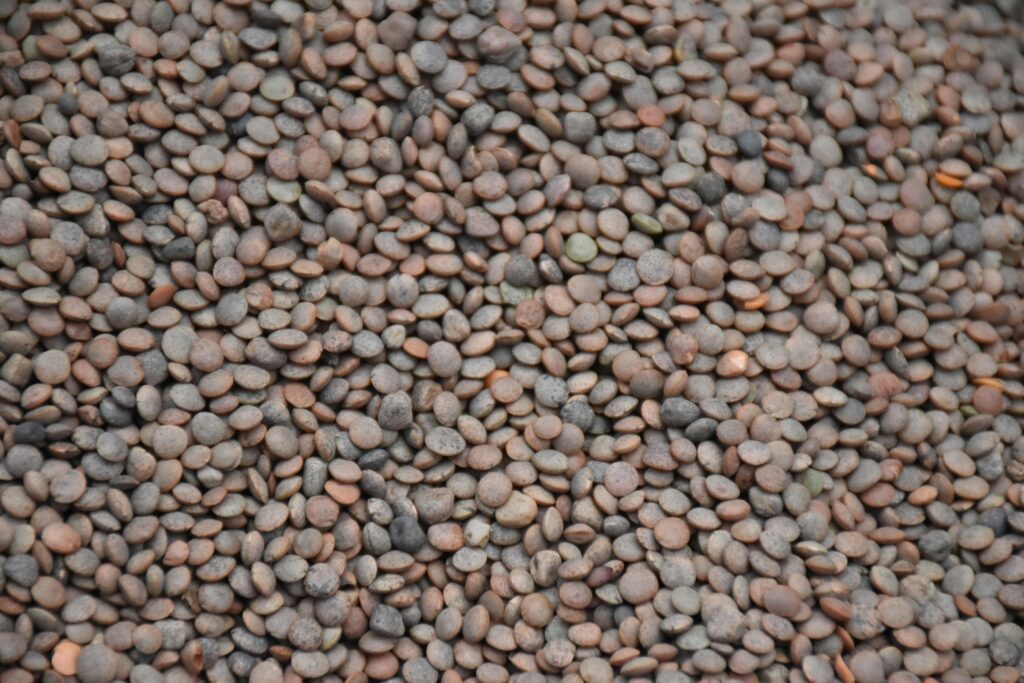
Lentils are a wonderful source of plant-based protein and fiber, but they can also cause your digestive system to produce gases. These gases, which include methane and sulfur-based compounds, can be absorbed into your bloodstream and released through your sweat.
While lentils are incredibly nutritious, they’re also fermentable, meaning they can trigger digestive discomfort that leads to body odor. If you’re sensitive to this, soaking lentils overnight before cooking can help reduce their gas-producing effects. If you’re looking to enjoy lentils without the odor, balance them with mint or ginger, which can help freshen your breath and soothe digestion.