Root legumes are often celebrated for their nutritional value, fiber content, and heart-healthy benefits. However, they can also hide some surprising risks that can take a toll on your health if consumed improperly or in excess. From digestive issues to severe allergies, these root vegetables may not be as harmless as you think. Let’s dive into the shocking dangers of 10 common root legumes and why you might want to handle them with care.
Sweet Potatoes
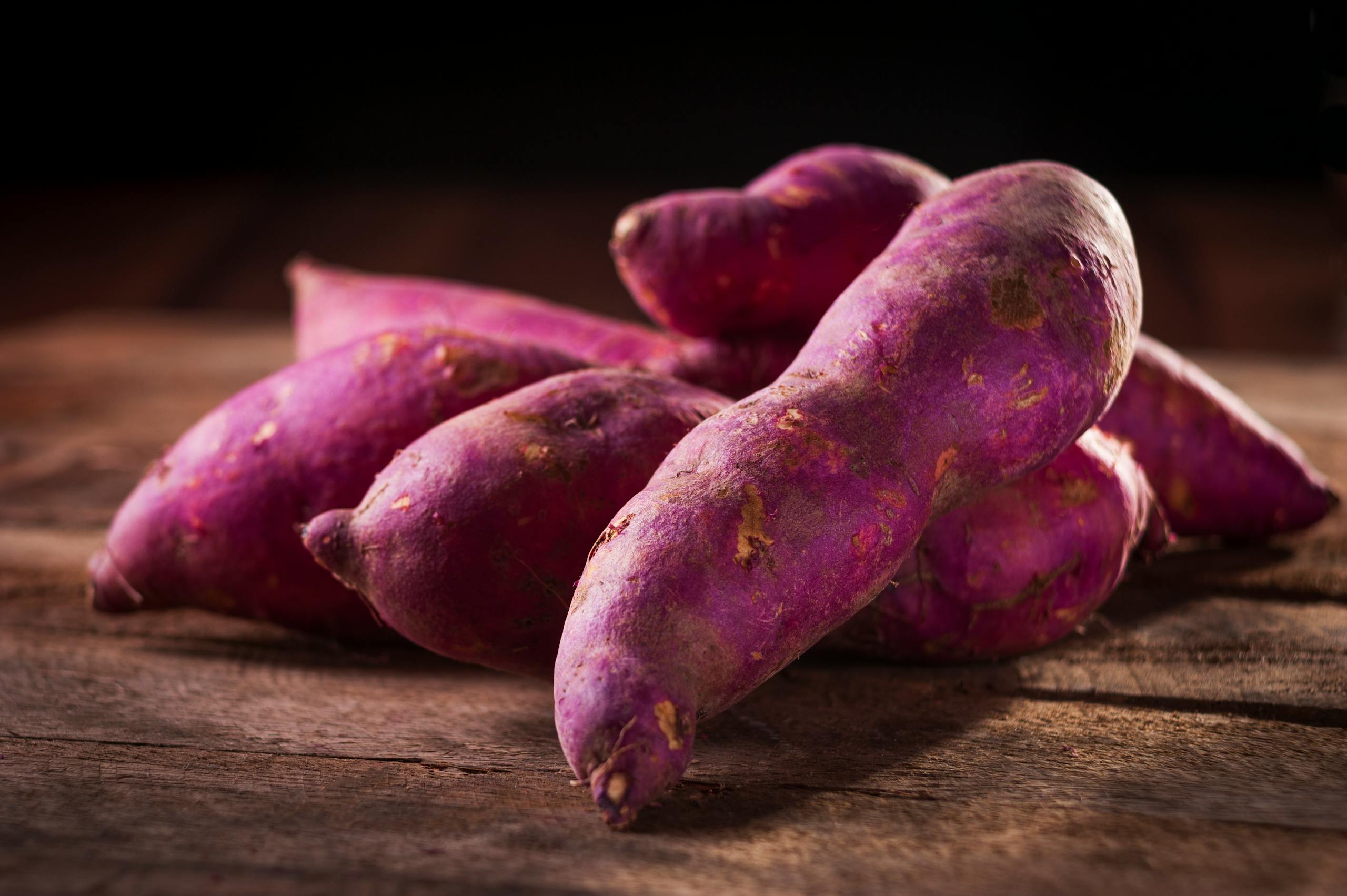
Sweet potatoes are often touted as a healthier alternative to regular potatoes, but they still pose a risk, especially for those with blood sugar concerns. Despite their lower glycemic index, sweet potatoes can still cause blood sugar spikes when eaten in large quantities, especially in those with diabetes or insulin resistance. The starch in sweet potatoes breaks down into glucose, which can be absorbed too quickly if you consume too much. Moderation is key, or you could be unknowingly sabotaging your blood sugar levels.
Yams
While yams are rich in potassium and can be heart-healthy in moderation, they can pose a risk for those with kidney issues. High potassium intake can cause your kidneys to work overtime, leading to hyperkalemia, a condition that can be dangerous for heart function. If your kidney function is impaired, consuming too many yams could lead to arrhythmias or even cardiac arrest. Always be cautious and monitor your intake if you have kidney problems.
Potatoes
Potatoes are a kitchen staple, but they come with a surprising danger: solanine. This toxic compound is found in green or sprouted potatoes, and consuming it can lead to nausea, vomiting, and even paralysis in extreme cases. Even though cooking may reduce solanine levels, it doesn’t completely eliminate them. Be sure to store your potatoes properly and avoid eating any green or sprouted potatoes to avoid this toxin.
Chickpeas
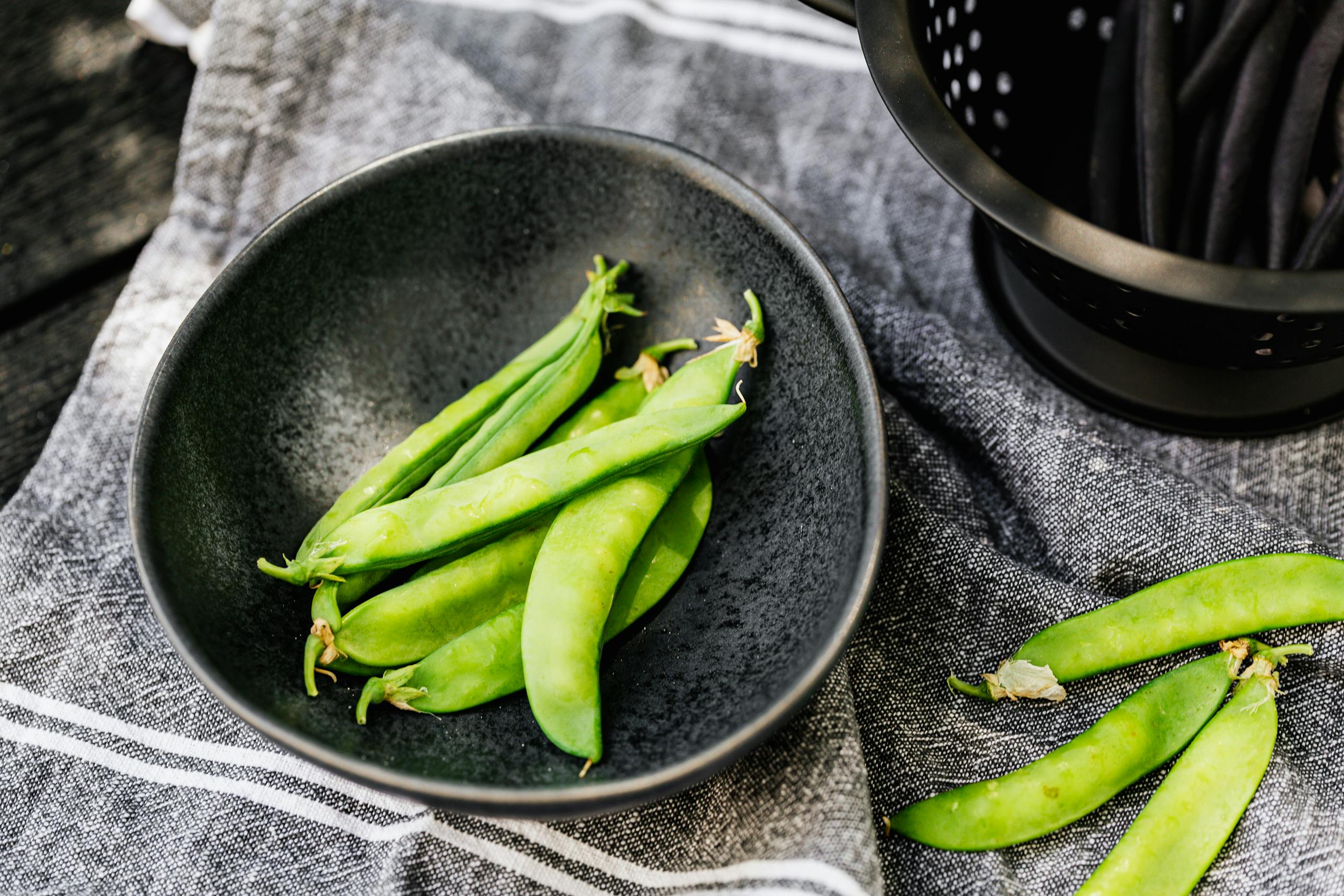
Chickpeas, or garbanzo beans, are an excellent source of protein and fiber, but they come with an uncomfortable downside. The oligosaccharides in chickpeas are difficult for the body to digest, leading to bloating, excessive gas, and even stomach cramps. For some, the digestive discomfort can last for hours, turning what should be a healthy meal into an uncomfortable ordeal. Gradually introducing chickpeas into your diet and ensuring they’re well-cooked can help alleviate this issue.
Lentils
Lentils are a go-to for vegetarians seeking plant-based protein, but they can cause serious allergic reactions in some people. Symptoms range from mild rashes to more severe responses like anaphylaxis, which can be life-threatening. Even if you’re not allergic, the lectins in lentils can cause digestive upset for some, leading to nausea and stomach pain. If you’re new to lentils, start with small portions to test your tolerance.
Soybeans
Soybeans are often praised for their protein content and versatility in plant-based diets, but they can disrupt hormone levels in some individuals. The phytoestrogens in soy mimic the hormone estrogen, which can interfere with your body’s natural hormone balance. For individuals with hormone-sensitive conditions like breast cancer or thyroid issues, excessive soybean consumption may exacerbate these problems. Keep your intake balanced and consult a healthcare provider if you have concerns about hormonal health.
Peanuts

Peanuts are technically legumes, and while they’re a common snack, they are also among the most dangerous foods for people with allergies. Peanut allergies can trigger severe reactions, ranging from swelling and hives to anaphylaxis. Even trace amounts of peanuts in processed foods can cause life-threatening symptoms for those allergic. For anyone who has a peanut allergy, avoiding peanuts entirely is the safest approach, as there is no known cure for this dangerous allergy.
Green Peas
While green peas are a popular addition to soups and salads, they can cause digestive problems for some people. Peas contain fibers and carbohydrates that can be difficult to break down, leading to bloating, gas, and even diarrhea. Overeating green peas, especially in one sitting, can overload your digestive system. If you have a sensitive stomach, keep your pea consumption in check to avoid uncomfortable side effects.
Mung Beans
Mung beans are a nutritious legume, but they contain purines, which are broken down into uric acid in the body. For individuals prone to gout, consuming too many mung beans can increase uric acid levels, leading to painful flare-ups in joints. If you have a history of gout or kidney stones, it’s essential to monitor your intake of mung beans and other purine-rich foods. Always consult with a doctor if you have concerns about how legumes affect your condition.
Fava Beans

Fava beans may seem harmless, but for those with G6PD (glucose-6-phosphate dehydrogenase) deficiency, consuming them can lead to a serious condition called hemolytic anemia. This condition occurs when red blood cells are destroyed too quickly, leading to fatigue, jaundice, and in severe cases, organ damage. If you know you have G6PD deficiency, it’s best to avoid fava beans entirely. Always consult your doctor if you’re unsure about the impact of certain foods on your health.
Conclusion
While root legumes can be an excellent addition to your diet, they come with hidden dangers that should not be ignored. From blood sugar spikes to allergic reactions, it’s crucial to be aware of the risks associated with these commonly consumed foods. When consumed in moderation and properly prepared, most root legumes can be enjoyed safely, but they are not without their potential pitfalls. Educate yourself, listen to your body, and ensure you’re making the best choices for your health before you add root legumes to your plate.