Aluminum foil is a go-to kitchen tool for easy cooking and food storage. However, when cooking certain foods, using aluminum foil can lead to undesirable results. While it may seem like a convenient option, the interaction between aluminum and certain ingredients can compromise the dish’s flavor, texture, and even its nutritional integrity. Below, we delve into the specific foods that should be avoided when using aluminum foil.
Acidic Foods
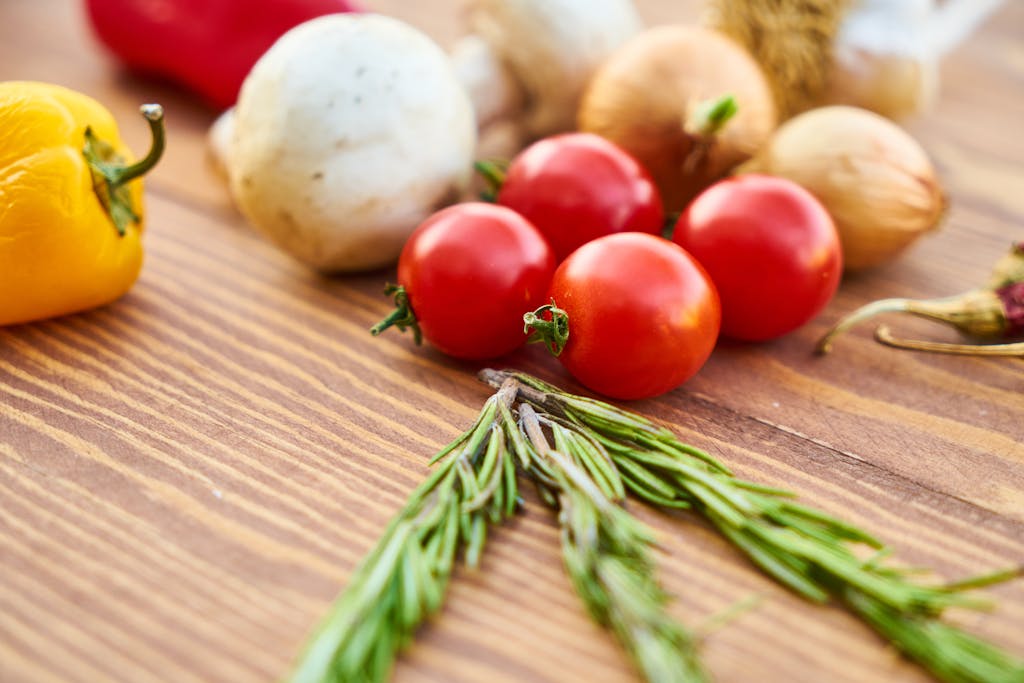
Acidic foods, such as tomatoes, citrus fruits, and vinegar-based dishes, should never come into contact with aluminum foil. The high acidity of these foods reacts with the metal, leading to a bitter, metallic taste that overpowers the dish. This interaction occurs because the acid leaches into the aluminum, altering the flavor profile and creating an undesirable aftertaste.
For example, tomatoes wrapped in foil not only taste metallic but can also become mushy, as the foil traps moisture. Similarly, citrus fruits, often used in marinades or as flavor enhancers, lose their vibrant tanginess when in contact with aluminum. Vinegar-based dressings or sauces can undergo similar transformations, turning acidic and unpleasant.
Potatoes
While baking potatoes in foil is a common practice, it can cause several issues. Potatoes wrapped in foil tend to steam rather than bake. This results in soft, often soggy skin instead of the desired crispy texture. The foil traps moisture, preventing the potatoes from roasting properly, and is essential for achieving that golden-brown crust.
In addition, improperly wrapped potatoes can develop health risks. If they are left wrapped in foil for too long, they may retain moisture, creating an ideal environment for harmful bacteria such as Clostridium botulinum, which can cause foodborne illness.
Fish
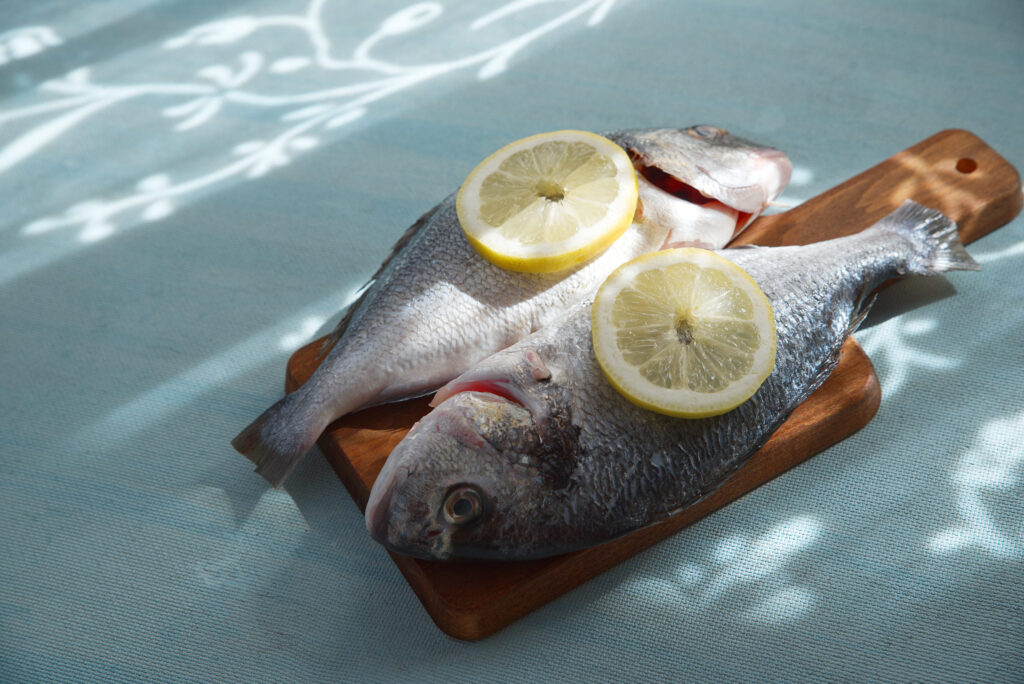
Fish is another food that can be affected by aluminum foil. When wrapped in foil, fish tends to steam rather than bake. This steaming process often results in a loss of flavor and a mushy texture, especially for delicate fish like salmon or tilapia. The foil traps moisture, preventing the fish from developing the desirable crispy skin and tender flesh that roasting or grilling would offer.
Furthermore, sulfur compounds in some types of fish can react with aluminum, creating a metallic taste that masks the fish’s natural flavors. This interaction can ruin an otherwise perfect dish.
Cheese
Cheese, especially softer varieties like cream cheese or goat cheese, should be avoided when using aluminum foil. The fat in cheese reacts with aluminum, often causing it to melt unevenly. This results in a greasy, clumpy texture that detracts from the cheese’s smooth, creamy qualities.
Additionally, aluminum foil can strip cheese of its delicate flavors. When cheese is wrapped in foil and heated, it can become rubbery or tough, making it unappetizing. The foil’s surface can also interact with the cheese’s oils, altering the consistency and preventing the perfect melt.
Leafy Greens
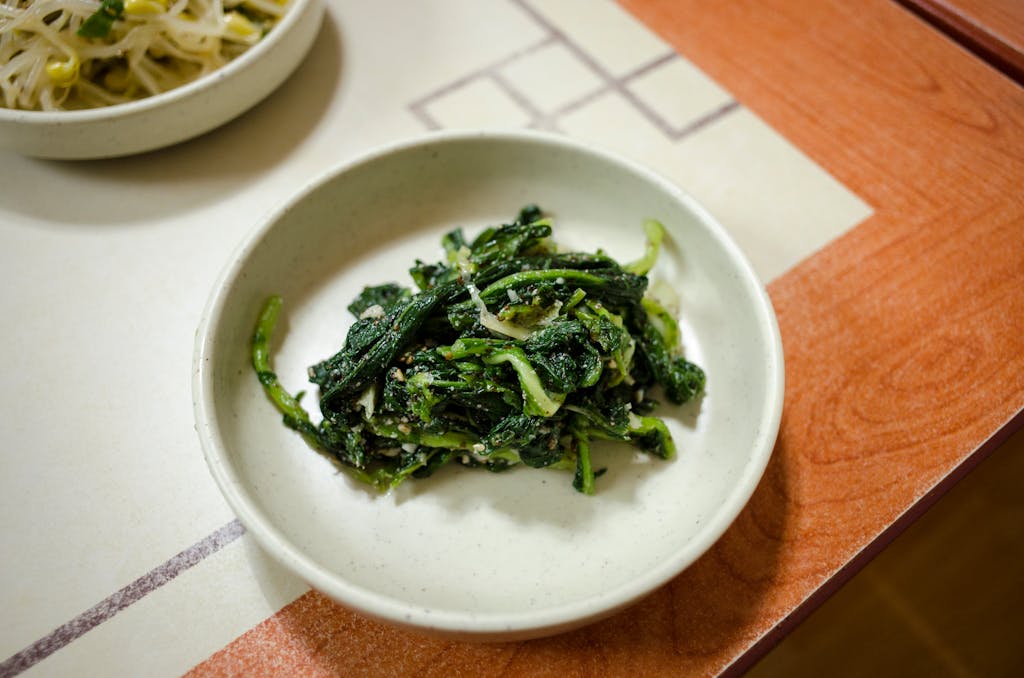
Leafy greens like spinach, kale, and lettuce should not be cooked in aluminum foil because chemical reactions occur during heating. These greens contain high amounts of oxalates, which can react with aluminum, resulting in a bitter, off-putting flavor. The foil traps moisture, compromising texture and preventing the greens from achieving the ideal tender yet crisp bite.
Furthermore, cooking leafy greens in foil can cause them to lose vital nutrients, such as vitamin C. The heat and moisture trapped by the foil prevent these nutrients from being released during cooking, making the meal less nutritious.
Garlic
Garlic, often roasted in foil for added flavor, can react poorly with aluminum. The sulfur compounds in garlic are highly reactive, and when exposed to aluminum, they can create a sharp, unpleasant metallic taste. This chemical reaction detracts from the natural sweetness and depth of flavor that garlic should bring to a dish.
Additionally, when garlic is wrapped in foil, heat distribution is suboptimal, leading to uneven cooking. Instead of achieving a golden, caramelized exterior, garlic wrapped in foil can burn on the outside while remaining undercooked on the inside, compromising both flavor and texture.
Onions
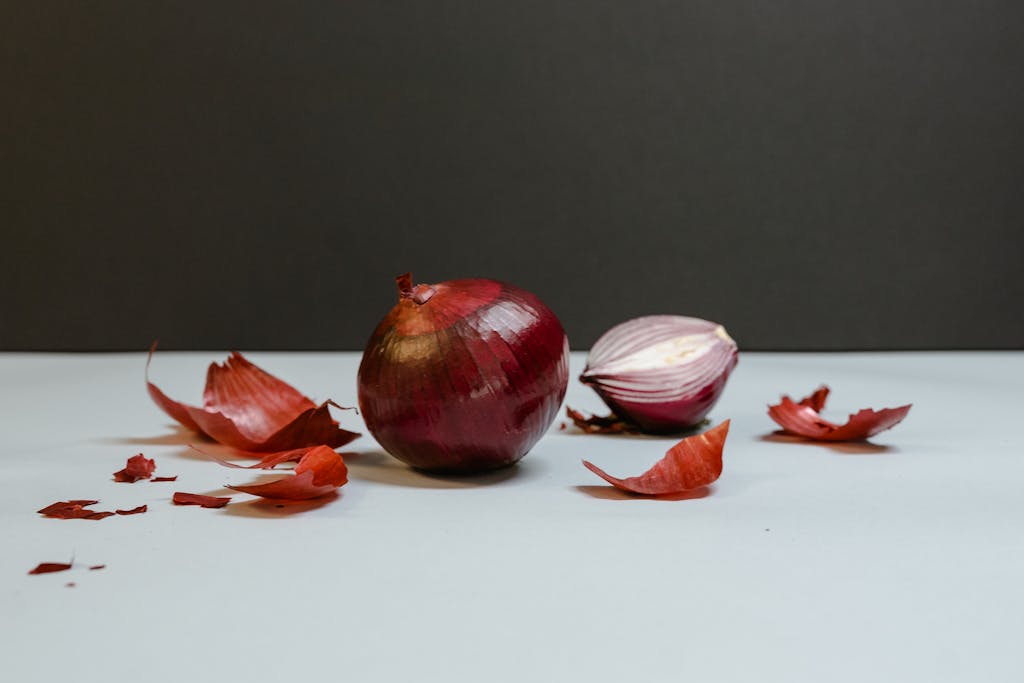
Onions, much like garlic, contain sulfur compounds that can react with aluminum foil during cooking. When onions are roasted in foil, these sulfur compounds can leach into the metal, altering the onion’s flavor and creating an off-putting aftertaste. Additionally, the moisture trapped in the foil prevents the onions from caramelizing properly, which is essential for bringing out their natural sweetness.
Wrapping onions in foil also traps steam, leading to a soggy texture rather than the desired crispness. For dishes that require roasted onions with a rich, caramelized flavor, foil is best avoided.
Casseroles with High Moisture Content
Casseroles, especially those with high moisture content, can suffer when aluminum foil is used. The foil traps steam, leading to a soggy dish that lacks the desired texture. This is particularly problematic for casseroles containing ingredients such as pasta, cheese, and sauces. When the foil is removed, the top layer of the casserole may be soft and overcooked, while the bottom layers are undercooked or too moist.
Furthermore, the trapped moisture can create an environment for overcooking some ingredients while leaving others underdone. This results in an uneven texture and flavor profile that detracts from the dish as a whole.