In recent years, trigger warnings have become a staple in media, education, and even the arts. Originally intended to help those who may have experienced trauma or distress, these warnings have slowly become ubiquitous.
From movies and television shows to books, plays, and museums, trigger warnings are now routinely used to shield audiences from any form of discomfort preemptively.
But when does the practice of offering these warnings cross the line from protective to counterproductive? Let’s take a look at the growing trend and how it may have gone too far.
The History of Trigger Warnings

Trigger warnings, at their core, were created to help individuals who had experienced trauma by alerting them to content that could potentially retraumatize them.
This concept was first seen in online communities where survivors of abuse, sexual assault, or violence could be prepared for the nature of the material they were about to consume.
On paper, this seems like a reasonable and empathetic approach. However, over time, the use of trigger warnings has expanded far beyond their original intent.
The Expansion of Trigger Warnings in Modern Society
The overuse of trigger warnings can be seen in many areas of life, particularly in entertainment and academia. What was once a tool for managing intense content has turned into a shield for the fragile feelings of society at large.
A prime example is the Disney+ streaming service. Shows like The Muppet Show and Lady and the Tramp now carry disclaimers about “negative depictions” and “harmful stereotypes.”
While some of the content is undeniably problematic by today’s standards, there is a fine line between addressing historical mistakes and erasing context altogether.
The 1970s Muppet Show is part of a bygone era where societal norms were different. Instead of contextualizing these issues, Disney’s warnings seem to suggest that the audience is unable to engage critically with the past.
Trigger Warnings in Literature and the Arts
The problem becomes even more pronounced in the world of literature and art. College campuses, once the place for deep, thought-provoking discourse, are now flooded with disclaimers that rob students of the opportunity to engage fully with difficult but important material.
Classics like The Great Gatsby and Huckleberry Finn have come under fire for their portrayal of racism and sexism, with some institutions offering trigger warnings before students read them.
While these works certainly contain content that can be difficult to process, the solution is not to soften their impact through warnings.
Art, in all its forms, is meant to provoke thought and stimulate conversation, not to be sterilized to fit a contemporary narrative.
Broadway and Theater Productions

Not even the theater is exempt from this trend. On Broadway and in regional theaters, performances are often accompanied by trigger warnings for anything from sexual content to loud noises.
A production of Oklahoma! in Brooklyn included a warning about the possibility of gunshots and “moments of darkness and violence.”
While safety is a valid concern in some contexts, these kinds of warnings can be seen as infantilizing audiences. Theater is supposed to challenge the audience, not protect them from the realities of the world.
The Academic Influence
In the classroom, the push for trigger warnings is being propelled by professors rather than students. A survey by National Public Radio revealed that over half of college instructors have used trigger warnings in their courses.
However, only a small fraction of students had actually requested them. This suggests that many professors are preemptively introducing these warnings out of a fear of backlash rather than a genuine need.
As more educators take it upon themselves to censor content, the line between providing a well-rounded education and sheltering students from uncomfortable realities becomes increasingly blurred.
The Unintended Consequences of Overuse
While trigger warnings were originally created with good intentions, their overuse has led to several unintended consequences. For one, the over-sanitization of content can create a generation that is ill-prepared for the complexities of the real world.
By overprotecting individuals from potentially distressing material, we risk fostering a society that lacks resilience and the ability to cope with adversity. Furthermore, these warnings can dilute the content’s meaning.
By adding disclaimers to everything from children’s cartoons to classic literature, we are in danger of erasing the very essence of these works and the important conversations they provoke.
The Infantilization of Society
The increasing reliance on trigger warnings is part of a broader societal trend towards overprotection. We live in an age where the very idea of discomfort is viewed as something to be avoided at all costs.
However, this mindset is counterproductive. Facing uncomfortable topics head-on, whether through art, literature, or historical reflection, is vital for personal growth and societal progress.
Shielding people from these experiences ultimately diminishes their ability to engage critically with the world around them.
The Future of Trigger Warnings
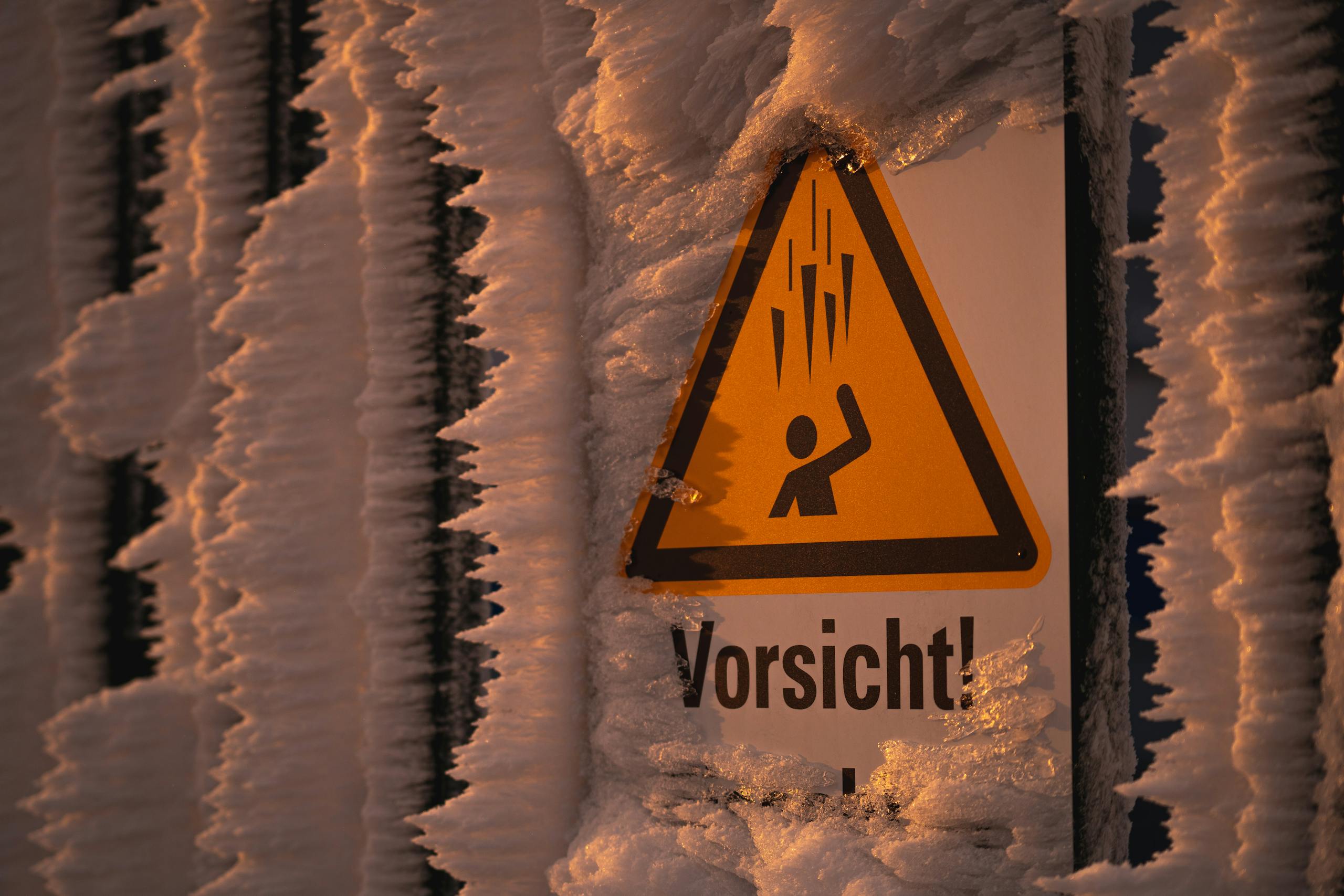
So, what is the way forward? The use of trigger warnings should not be entirely discarded, but there must be a more thoughtful, balanced approach to their implementation.
Instead of blanket disclaimers, we should encourage educational institutions, entertainment platforms, and artists to offer more context around the content.
The goal should be to facilitate understanding and reflection, not to sterilize or censor history. People should be given the tools to confront uncomfortable truths, not be shielded from them entirely.
Conclusion
In the end, we must find a balance. As society moves forward, we must ensure that our efforts to protect individuals from harm do not stifle critical thinking and growth.
Trigger warnings should serve as a tool for those who need them, but not as a crutch for a society that could benefit from learning how to engage with the world’s complexities.