When growing herbs in your garden, basil and rosemary are among the most popular and aromatic choices. Though these two herbs are often paired in the kitchen to enhance dishes with their rich flavors, the question remains: can they coexist harmoniously in the garden?
In this article, we will explore whether basil and rosemary can be planted together, their unique growing requirements, and suggest better companion plants to help your garden thrive.
Growing Conditions of Basil and Rosemary

Before deciding whether to plant basil and rosemary together, it’s important to understand their unique growing conditions and needs.
Light and Temperature
Both basil and rosemary thrive in full sun, requiring at least six hours of direct sunlight daily. However, while basil can tolerate a bit of afternoon shade, rosemary prefers the intensity of midday sun, as it originates from the Mediterranean.
In hot climates, basil might suffer from sunburn if left in the full afternoon heat, whereas rosemary thrives in these conditions. Therefore, if you are growing both in the same area, basil might benefit from some afternoon protection, which rosemary won’t need.
Soil and Watering
When it comes to soil, both herbs prefer well-draining soil, but their water requirements differ significantly. Basil thrives in consistently moist soil, whereas rosemary, being drought-tolerant, prefers drier conditions. Overwatering basil while allowing rosemary to dry out could lead to root rot, a problem both plants are prone to under damp conditions.
Basil needs a steady supply of moisture but dislikes being waterlogged. Rosemary, on the other hand, can go long periods without water and is better adapted to arid environments. If you are growing both in the same garden, it’s essential to space them adequately to avoid overwatering rosemary or underwatering basil.
Fertility and Growth Habits
Basil requires fertile, organically rich soil and may benefit from occasional fertilization, especially during the growing season. Rosemary, however, thrives in leaner, sandier soils and doesn’t require additional fertilization. Their contrasting nutrient needs could lead to competition if planted too close together, with basil outpacing rosemary due to its greater nutrient requirements.
Tips for Growing Basil and Rosemary Together

Proper Spacing
To successfully grow both basil and rosemary together, it is essential to give them adequate space. They have different growth habits, and allowing them to spread out prevents them from competing for resources.
A good rule of thumb is to plant basil 2-3 feet away from rosemary, providing enough room for both to thrive without overshadowing each other. Additionally, this spacing ensures both plants receive the proper amount of water and sunlight.
Separate Watering Needs
Since basil requires frequent watering while rosemary prefers drier conditions, it’s essential to treat them as separate entities within the garden. Using a drip irrigation system can help target each plant’s needs, or you can manually adjust the watering schedule to cater to their individual preferences. This prevents basil from being overwatered while giving rosemary the dryness it prefers.
Companion Planting for Basil and Rosemary
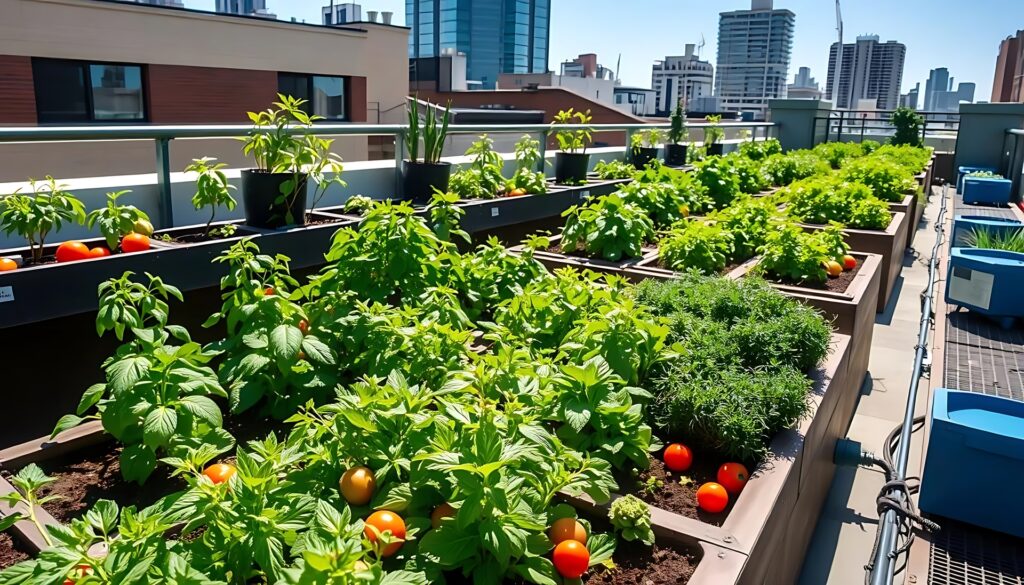
Although basil and rosemary may not be the ideal companions for each other in the garden, there are several other plants that can pair well with them. Let’s take a look at some optimal companions for each.
Best Companion Plants for Rosemary
Rosemary thrives when paired with other Mediterranean herbs and plants that share similar growing conditions. Here are some great options:
- Thyme: A drought-tolerant herb that enjoys full sun, thyme pairs well with rosemary’s low-maintenance needs.
- Sage: Like rosemary, sage enjoys dry soil and doesn’t require frequent watering. They make a perfect duo in herb gardens.
- Lavender: Another Mediterranean native, lavender shares rosemary’s preference for sunny, dry conditions and can thrive alongside it.
- Carrots: Rosemary can help deter pests like carrot flies, making it a great companion for root vegetables like carrots.
- Strawberries: Rosemary helps repel slugs, which can damage strawberries, and its strong scent masks the aroma of strawberry plants, keeping pests away.
Best Companion Plants for Basil
Basil’s preference for regular watering and fertile soil makes it a better match for plants that share these needs. Ideal companions for basil include:
- Tomatoes: Basil and tomatoes are a classic pairing. Not only do they share similar sun and water needs, but basil may also enhance tomato flavor while helping to ward off pests like aphids.
- Oregano: Both herbs thrive in warm, sunny conditions, and oregano doesn’t require frequent watering, making it a suitable companion for basil.
- Parsley: Like basil, parsley enjoys moist soil and partial shade. They can grow together in the same bed without issue.
- Chamomile: This herb grows well alongside basil, as both enjoy the same light and moisture conditions.
- Chives: Another herb that enjoys full sun and regular watering, chives complement basil’s growing requirements.
Raised Beds and Containers

If you don’t have the space to accommodate the differing water and soil needs of basil and rosemary in the ground, consider growing them in separate raised beds or containers. This will give you more control over each plant’s environment.
Raised Beds
In raised beds, you can dedicate a section to rosemary and another to basil. Keep rosemary at one end of the bed, ensuring it doesn’t shade smaller plants or interfere with their growth. Basil, being smaller and bushier, can be planted at the other end, receiving adequate sunlight without being overshadowed by rosemary.
Containers
Growing rosemary and basil in separate containers is another great option. This way, you can control the watering, sunlight, and soil conditions for each herb. For rosemary, a pot with good drainage and a mix of sandy soil works best. Basil, on the other hand, thrives in richer, loamy soil and requires regular watering, which can be easily controlled in a separate container.