We usually think of contagious things as viruses, stomach bugs, pink eye, or the flu. That narrow view misses a strange truth: some conditions spread through bacteria, some travel through shared microbes, and others pass from person to person through behavior, emotion, and social cues. In other words, contagion is not always about sneezing into the wrong room at the wrong time.
When we look closer, everyday life starts to feel far more interconnected than it first appears. A kiss can change the bacteria living in the mouth. A tense social circle can push stress and isolation outward.
Even the goals, habits, and moods of the people around us can shape our choices in ways we barely notice. Here are ten surprising things that can be contagious, and why the idea matters more than most people think.
Heart disease risk may spread through the microbiome.

Heart disease is still not considered a classic contagious illness in the way influenza or measles is. No one “catches” clogged arteries from a handshake.
Still, researchers have raised an important possibility: some heart disease risk may be influenced by the transfer of microbes that help shape the gut microbiome. That matters because the microbiome affects inflammation, metabolism, immune responses, and the way the body processes food.
This idea becomes more interesting when scientists study animal models. In those settings, altered gut microbes linked to metabolic illness can sometimes help trigger similar problems in a new host.
That does not mean heart disease passes casually between humans in daily life, but it does suggest that the bacterial ecosystems we carry may influence long-term disease risk more than we once believed. The bigger lesson is clear. Health does not live in isolation, and the biology of one body may affect another in subtle ways.
Loneliness can spread through social networks.

Loneliness feels deeply personal, yet it often behaves like a social chain reaction. One isolated person may withdraw, communicate less warmly, or stop participating in shared routines. Friends can feel that change, interpret it as distance, and begin to pull back. That reaction creates a loop in which one person’s loneliness feeds another person’s sense of disconnection.
This kind of contagion does not rely on germs. It moves through emotional tone, expectations, and the quiet damage caused by broken social rhythm. A lonely person may still attend events, answer messages, and sit at the table, but the emotional withdrawal often begins before total isolation becomes obvious.
That makes loneliness hard to detect and easy to spread. It can ripple through friendships, families, and workplaces long before anyone says out loud that something feels wrong.
Ulcers can be caused by a contagious bacterium.
For years, many people blamed ulcers on stress, spicy food, or a high-pressure lifestyle. Those factors can aggravate symptoms, but they do not explain the main cause of many peptic ulcers. In many cases, the real culprit is Helicobacter pylori, a bacterium that can live in the stomach lining and damage tissue over time.
That changes the story in a major way because H. pylori can spread between people, often through saliva or poor hygiene linked to fecal contamination. Not everyone infected will develop an ulcer, which is why the condition can seem random.
One person carries the bacterium with few problems, while another develops pain, inflammation, or bleeding. The important point is simple. Ulcers are not always just a stress story. In many cases, a transmissible microbe sits at the center of the problem.
Feeling cold can be socially triggered.
Most people assume temperature is purely physical. The room is cold, the wind picks up, and the body reacts. Yet human perception is more social than that.
Studies suggest that simply watching someone experience a cold can make observers feel colder themselves, and in some cases, their skin temperature can shift as well.
This phenomenon helps show how tightly the brain links observation and bodily sensation. We do not just watch discomfort from a distance. We simulate it. The same system that helps people empathize with pain, fear, or embarrassment may also help explain why cold appears to spread through a group.
One shivering person can make the room feel chillier even before the thermostat changes. That does not make cold a disease, but it does make it contagious in a very real psychological and physical sense.
Happiness often spreads faster than people expect.

Happiness has a social life of its own. A cheerful friend can make ordinary plans feel exciting. A warm neighbor can change how safe and pleasant a block feels.
A positive coworker can shift the tone of an entire office morning. These are not small mood swings. They can shape daily habits, social confidence, and stress levels over time.
Part of the reason happiness spreads is that human beings constantly mirror one another. Facial expression, tone of voice, pace of speech, and body language all influence the nervous system. We read emotional safety from other people almost instantly.
When someone around us laughs easily, shows gratitude, and acts hopeful, we often relax without noticing why. Happiness is not evenly distributed across a community. It tends to cluster, which is one reason social environments matter so much.
Cancer is contagious in rare cases, but not in ordinary human contact.
Cancer is not contagious in normal day-to-day human interaction. People do not catch it from sharing meals, touching surfaces, hugging, or sitting close to someone who is sick. That remains the most important fact. Still, science has documented rare exceptions that show cancer can become transmissible under highly unusual biological conditions.
In some animal species, transmissible cancers do exist. Tasmanian devils can pass facial tumor disease through biting, and dogs can transmit a venereal tumor through sexual contact. In humans, rare cases have appeared through organ transplantation or extreme immune compromise.
These situations do not turn cancer into a routine contagious disease, but they do prove that malignant cells can, under special circumstances, move from one body to another and survive. That distinction matters. The general public should not fear ordinary contact, but the biology itself is more complicated than most people realize.
Bad behavior can spread when social norms are broken.
Rule-breaking has a way of giving itself permission. When people see litter on the ground, cheating at work, or casual disrespect in public, the behavior does more than offend them. It can quietly reset what feels acceptable. That is one reason bad behavior often comes in clusters rather than isolated moments.
Social norms work like invisible traffic signals. When they hold, people follow them with little thought. When they crack, people start testing the boundaries. Someone who sees small acts of disorder may later become more likely to cut corners in a completely different setting.
That is what makes bad behavior contagious. It does not always spread through direct imitation in the same moment. It can alter the moral atmosphere, making selfish choices feel less shocking and therefore easier to repeat.
High blood pressure may be influenced by exposure to infectious agents.
High blood pressure is usually discussed through the familiar lens of salt intake, inactivity, stress, body weight, and genetics. Those factors still matter greatly.
At the same time, some research suggests that certain viral infections may influence blood vessel function and inflammatory pathways linked to hypertension. One virus that often enters this discussion is cytomegalovirus, commonly called CMV.
This does not mean hypertension is a standard contagious disease. A person does not simply catch high blood pressure the way someone catches a cold.
A stronger, more careful way to state it is that infectious exposure may increase risk in some cases by altering how the body behaves over time. That matters because it expands the old idea that chronic disease always begins and ends with personal lifestyle. Sometimes infection becomes one more piece of the larger puzzle.
Goals can spread from one person to another without a word.
People do not just copy visible actions. They also absorb invisible aims. Spend time with someone focused on achievement, fitness, relaxation, or escape, and that goal can begin to influence your own behavior.
Psychologists sometimes call this goal contagion. The mind picks up on what another person seems to be trying to do, then starts moving in the same direction.
That process often happens quietly. A person preparing for a disciplined week can make everyone else suddenly want calendars, clean desks, and early mornings. A friend who treats every gathering like a quick stop before the next event can infect the room with urgency.
A calm person can slow the pace of an anxious group. Goals spread because human beings are social learners. We watch intention before we hear it, then we align ourselves with it almost automatically.
Cavities can spread through the mouth due to bacteria.
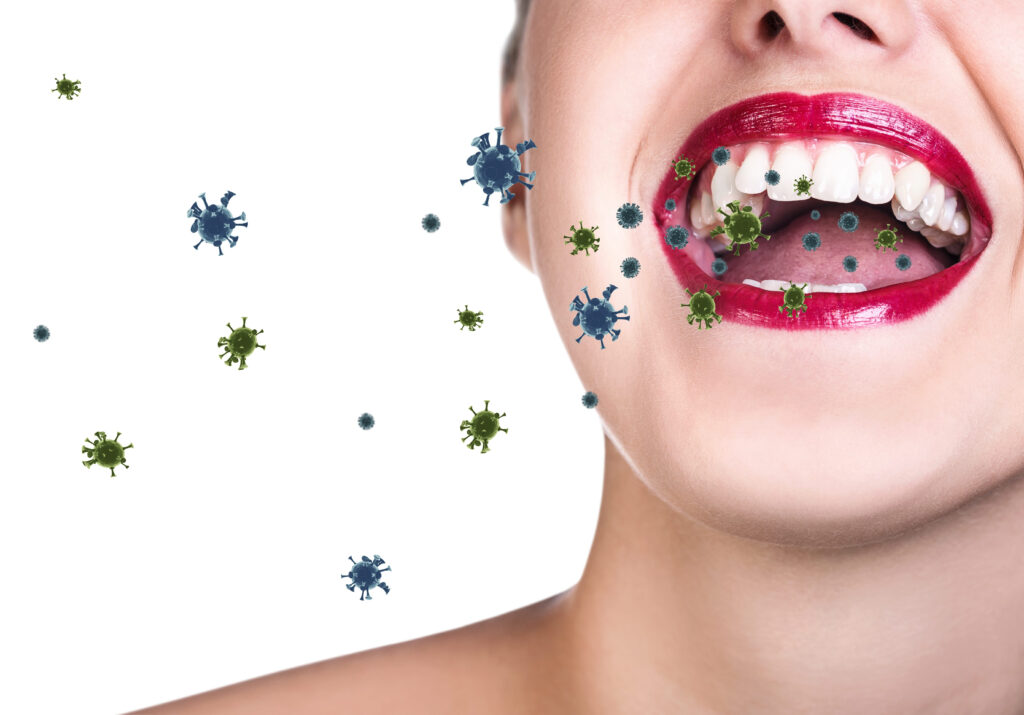
Cavities sound like the ultimate personal hygiene issue, but the bacteria that cause tooth decay can spread from person to person.
Oral bacteria pass through saliva, which means kissing, sharing utensils, testing a child’s food with the same spoon, or cleaning a pacifier with the mouth can transfer the microbes that fuel decay.
This matters most in children, whose oral ecosystems are still developing. A child can inherit more than family eye color and a stubborn laugh.
They can also acquire bacteria that increase the likelihood of dental decay. Good brushing, flossing, regular dental care, and reduced sugar still matter, but so does understanding that oral health is partly shared. Teeth may sit in individual mouths, yet the bacterial story often begins between people.