Are you still dutifully drinking eight glasses of water per day or believing that fat-free foods are the secret to a better body? It’s important to recognize that food myths aren’t just simple misunderstandings; they can be misleading and negatively impact your health, appearance, and finances. In today’s culture, these myths persist and continue to influence decisions.
Let’s break down the worst offenders. These are the food myths that are harming you, not helping you. Don’t fall for the lies anymore. Here are the shocking truths you need to know.
Drinking 8 Glasses of Water a Day Will Keep You Healthy

The first myth is one that’s been drilled into us for years, but it’s more harmful than helpful. The idea that you need to drink eight glasses of water every day is outdated and potentially dangerous.
Your hydration needs depend on many factors, such as your activity level, the climate you’re in, and even your health. Drinking too much water, especially on hot days, can cause a dangerous condition called water intoxication, which dilutes your sodium levels and can even lead to brain swelling.
Forget the eight-glass rule your body will tell you when it’s thirsty.
Microwaving Food Destroys Nutrients
For years, we’ve been led to believe that microwaving our food is akin to eating poison. Well, guess what? That’s total nonsense. Microwaving is one of the most efficient cooking methods for preserving nutrients.
Traditional cooking methods like boiling or frying strip food of vitamins and minerals, while microwaving uses less water and cooks food faster, preserving the good stuff. The next time someone warns you about your microwave, hit them with this fact: it’s saving your nutrition, not destroying it.
All Carbs Are the Enemy of Your Waistline
Let’s face it: carbohydrates have been the scapegoat of the diet world for too long. Sure, processed carbs like white bread and pasta aren’t the healthiest options, but it’s a crime to demonize all carbs. Whole grains, vegetables, and fruits are loaded with fiber and nutrients that your body needs to function.
By cutting out all carbs, you’re robbing yourself of essential nutrients and energy. The truth is, cutting carbs entirely is a fad that’s doing more harm than good. Your body needs them, and so do you.
Fat-Free Foods Are the Healthier Choice

Stop thinking that fat-free foods are a free pass to eat whatever you want. It’s a lie that’s been spun for decades to sell you low-fat junk packed with sugar and chemicals. The truth? Not all fats are bad. In fact, healthy fats like those in avocados, nuts, and olive oil are crucial for heart health, brain function, and even weight loss.
Fat-free alternatives are often full of sugar and additives, making them far worse for your body than their full-fat counterparts. Don’t be fooled by the “fat-free” label. Embrace healthy fats for a better you.
Processed Foods Are Always the Bad Guys
Here’s the deal: not all processed foods are made equal. The problem isn’t processing itself, but the type of processing. Sure, a bag of chips isn’t doing your health any favors, but there are plenty of processed foods that are perfectly fine, think frozen vegetables, canned beans, or pre-washed leafy greens.
The issue lies with ultra-processed foods that are packed with sugar, unhealthy fats, and artificial additives. Processed doesn’t always mean bad; it’s the ultra-processed foods you need to watch out for.
Eating after 8 p.m. causes weight gain
This one needs to be obliterated. The myth that eating late at night makes you fat is not only false, but it’s also downright damaging. The truth is, your body doesn’t magically go into fat-storage mode the moment the clock strikes 8. What matters is what you eat and how much, not when you eat it.
If you’re eating a healthy, balanced snack at night, it’s not going to ruin your metabolism. In fact, eating a small, protein-packed snack can help curb your hunger and prevent overeating the next day.
Coffee Dehydrates You

Some believe that coffee is dehydrating, but while caffeine has a mild diuretic effect, it does not cause dehydration. Coffee can contribute to your daily fluid intake. However, moderation remains important, as excessive consumption may cause anxiety and disrupt sleep.
Eggs Are Bad for Your Cholesterol
Eggs have often been blamed for contributing to high cholesterol and heart disease risk, but most research indicates that they do not significantly affect cholesterol for the majority of people. Trans fats and highly processed foods present a greater concern. Eggs offer high-quality protein, healthy fats, and essential vitamins, making them a nutritious breakfast option.
Detox Diets Will Cleanse Your Body
Detoxing has become a multi-billion-dollar industry, but it’s built on false promises. Your body doesn’t need a juice cleanse or a restrictive diet to eliminate toxins. In fact, extreme detox diets can harm your health, leading to nutrient deficiencies, fatigue, and digestive problems.
Your body has its own natural detox system; the liver, kidneys, and digestive system work tirelessly to filter out toxins. The best “detox” you can do is focus on a healthy, balanced diet and drink plenty of water.
Organic Foods Are Always Healthier
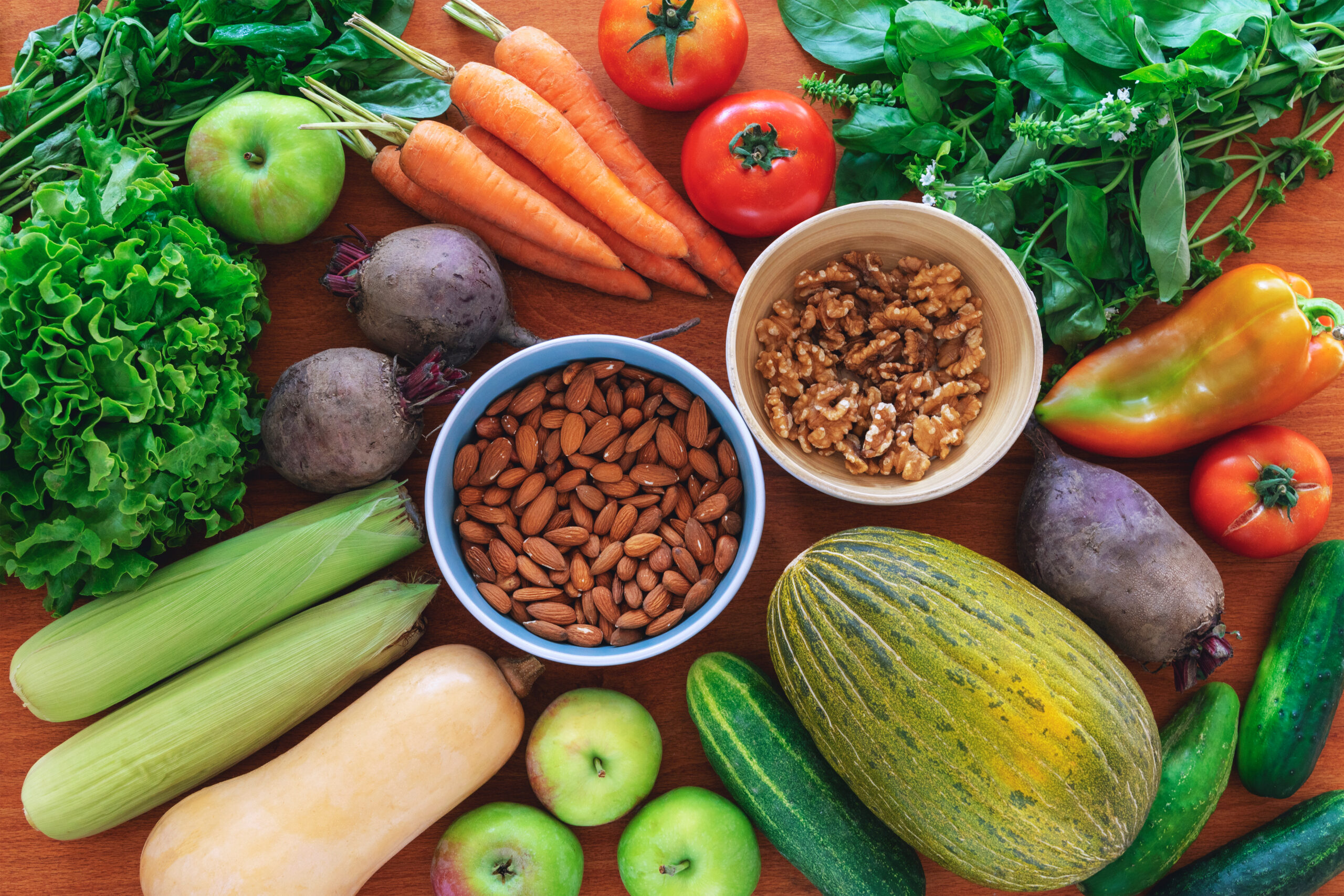
The organic label can be appealing, but organic foods are not automatically healthier than their conventional counterparts. While organic produce may contain fewer pesticides, studies reveal minimal nutritional differences between organic and non-organic options.
Choosing organic should reflect personal values, not assumptions about overall nutritional superiority. Conventional produce can provide similar benefits, often at a lower cost.
Why This Matters
These food myths are more than simple misinformation—they can negatively impact your health, financial well-being, and decision-making. Moving beyond outdated beliefs allows for healthier, evidence-based dietary choices.
FAQ
Q1: Are all processed foods unhealthy?
No, not all processed foods are unhealthy. While ultra-processed foods should be avoided, minimally processed foods like frozen vegetables and canned beans can be part of a healthy diet.
Q2: Is it bad to eat at night?
No, eating late at night doesn’t make you fat. What matters is the quality and quantity of the food you eat, not the time of day.
Q3: Are detox diets necessary for health?
No, detox diets are unnecessary and can be harmful. Your body naturally detoxifies through the liver and kidneys. Focus on a balanced diet instead.