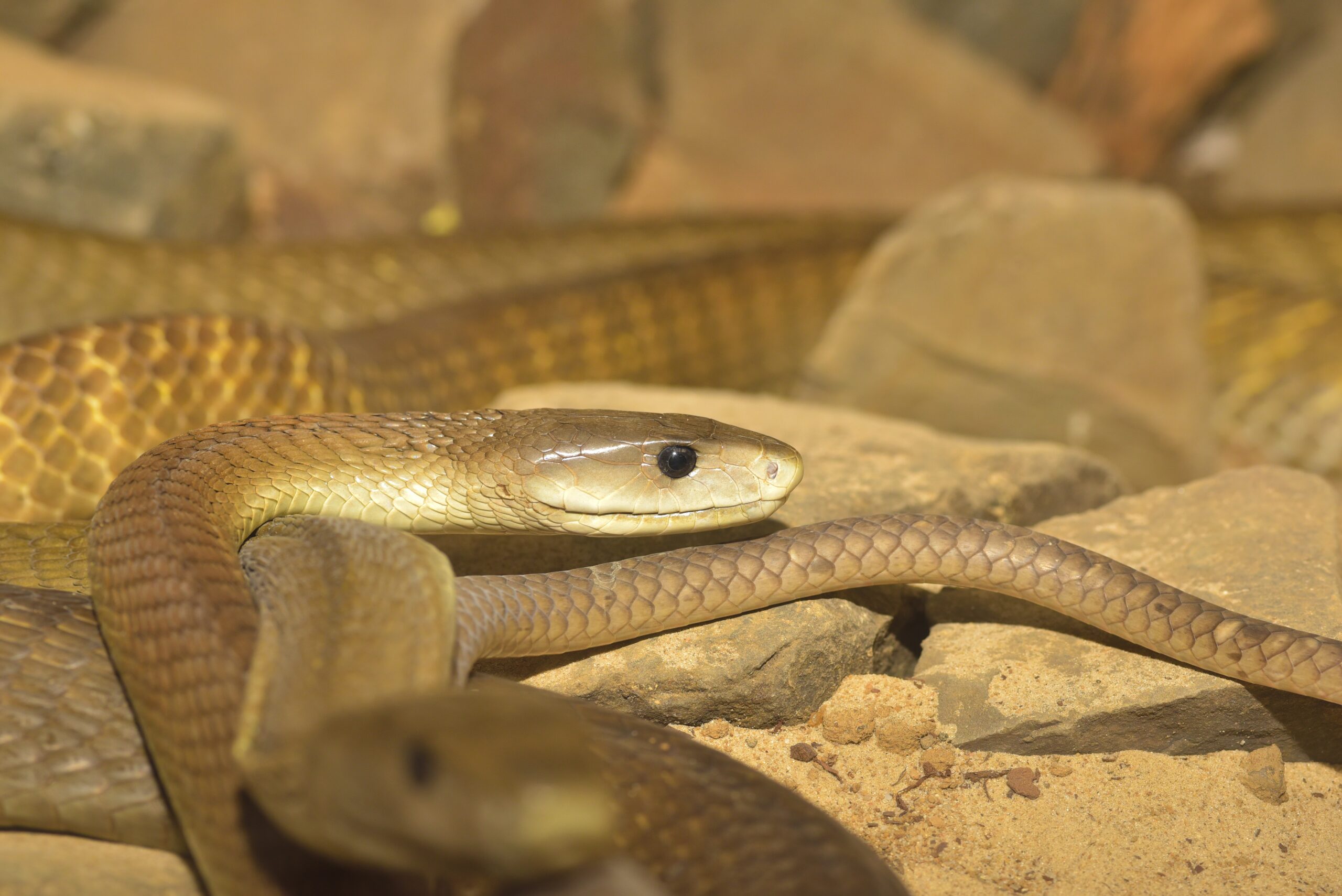
Florida, a paradise for many, has become a breeding ground for devastating invasive species. What started as innocent pet ownership has spiraled into a major ecological disaster, with exotic animals wreaking havoc across the state.
These once-cherished pets are now multiplying uncontrollably, disrupting local wildlife, endangering human health, and unbalancing the ecosystem. Here’s a look at 9 of the most exotic pets that escaped into Florida’s wilderness and caused chaos that may take years to undo.
Giant African Land Snails

The giant African land snail is an invasive species that has caused severe environmental damage in Florida. These massive snails consume over 500 plant species, erode buildings, and spread dangerous parasites, including those that cause meningitis. Despite being illegal to import, they’ve thrived in Florida, aided by the pet trade. These snails have overrun parts of South Florida, prompting costly eradication efforts that have so far failed to keep pace with their rapid population growth.
Pacu Fish
Pacu fish, closely related to piranhas, have earned a terrifying reputation due to their human-like teeth and aggressive feeding habits. While these fish were once sold as exotic pets, their behavior and size have made them a serious threat in Florida’s waterways. Known for occasionally attacking humans, these fish consume local fish populations and disrupt the ecosystem. Though not inherently dangerous to humans, their unusual bite and aggressive nature make them a serious concern for Florida’s water systems.
Burmese Pythons

The Burmese python is one of Florida’s most infamous invasive species, devastating local wildlife at an alarming rate. Once a popular pet, these snakes, which can reach lengths of up to 18 feet, now dominate the Everglades, pushing native species to the brink of extinction. With no natural predators, the python has become the region’s apex predator, killing mammals, birds, and even alligators. Florida’s efforts to control its population have largely failed, and the snakes continue to spread unchecked, leaving destruction in their wake.
Capybaras
Capybaras, the world’s largest rodents, have become yet another headache for Florida. Native to South America, they were introduced as pets, but their large size and social behavior made them ill-suited for Florida’s environment. With few natural predators, they now run rampant in Florida’s wetlands, competing with native species and causing significant damage to local flora. As their numbers grow, they’re becoming a major pest problem that Florida officials are struggling to control.
Rhesus Macaque Monkeys

What began as a misguided tourist attraction in the 1930s has spiraled into a full-fledged problem with the rhesus macaques now terrorizing Central Florida. These aggressive monkeys carry herpes viruses that are easily transmitted to humans through their bodily fluids, making them a public health threat. As their numbers grow and they roam freely across the state, the macaques invade homes, disrupt ecosystems, and spread disease, leaving a growing trail of destruction and fear in their wake.
Green Iguanas
The once-coveted green iguana has become one of Florida’s most troublesome invasive species. These large, herbivorous lizards destroy gardens, disrupt power grids, and cause significant property damage. People who bought them as pets soon realized they were too much to handle and released them into the wild. With no predators to control their numbers, iguanas have spread like wildfire, creating a nuisance that the state is struggling to contain, even resorting to gruesome methods to control the population.
Tegu Lizards
Tegu lizards, native to South America, were introduced to Florida as exotic pets. These large, omnivorous reptiles are voracious predators, consuming everything from fruits and vegetables to small animals and eggs. They pose a severe threat to Florida’s wildlife, particularly ground-nesting birds and small mammals. With no natural predators in the state, tegu lizards have flourished, causing environmental damage and displacing native species, further exacerbating Florida’s already severe invasive species problem.
Wild Boars

Wild boars, introduced to Florida in the 1500s by explorers, have become a nightmare for the state’s agriculture and natural habitats. These disease-ridden animals are destructive, consuming crops, hunting livestock, and spreading diseases like tuberculosis. With no natural predators, the wild boar population has exploded, and Florida’s efforts to manage them have been insufficient. The wild boar has become a serious threat to both human health and Florida’s ecosystems, leading to widespread hunting and eradication attempts.
African Clawed Frogs
The African clawed frog, once used in medical tests, has become a problematic species in Florida. They prey on native wildlife and disrupt local ecosystems by competing with native amphibians and reptiles for resources. Their introduction to Florida, likely through the pet trade, has caused imbalances in aquatic environments, making it harder for local species to survive. As they spread, the clawed frog continues to pose a significant risk to Florida’s delicate biodiversity.