Many people dream of having an exotic pet, something wild and different from the usual domestic companions. From tigers to crocodiles, the allure of living with such majestic creatures can seem captivating. However, as these tragic stories show, keeping an exotic pet can turn deadly in an instant.
Whether it’s due to the animal’s wild instincts or an unfortunate accident, these 10 cases reveal the hidden dangers of owning exotic animals. Let’s dive into the unsettling reality of deadly exotic pets and the risks they bring.
The Deer-Elk Hybrid: Mating Season Aggression

Hybrid animals often carry the traits of both species, but this crossbreed between a red deer and an elk turned deadly when hormones from mating season triggered aggression. Paul McDonald, an Australian farmer, was killed by his pet hybrid in 2019, despite having raised it for years.
The sudden change in behavior during rutting season is what led to the fatal attack. The animal, typically docile, became violent and attacked Paul without warning. This event highlights the hidden dangers of owning hybrid animals and the unpredictability of their behavior.
Hippos: More Dangerous Than Most Wild Animals
Despite their large, seemingly docile nature, hippos are among the deadliest animals on the planet. Marius Els, a South African farmer, discovered this tragic truth when his pet hippo, Humphrey, killed him in 2011.
Though they had appeared to share a friendly bond, the hippo’s unpredictable aggression led to Els’s death.
This attack was not an isolated incident, as hippos are responsible for more human deaths in Africa than many larger predators. Their immense strength, territorial nature, and quick temper make them extremely dangerous, especially when raised in captivity.
Monkey Bite: The Unexpected Danger of Primates
Monkeys, often associated with playful antics, can be incredibly dangerous when provoked. In Malaysia, a southern pig-tailed macaque monkey attacked its owners in 2019. The older man was fatally bitten through a major artery, while his son also sustained injuries.
The monkey had been trained to gather coconuts, a practice common in parts of Southeast Asia, but its age and temperament led to an unprovoked attack. This incident proves that monkeys, no matter how well-trained, are still wild animals capable of deadly outbursts.
The Black Bear: Tamed Yet Wild

Bears are wild creatures, and no amount of domestication can fully tame them. In 2009, Kelly Ann Walz was killed by her pet black bear, Teddy, whom she had raised from a cub. The bear’s sudden attack while Kelly was cleaning its cage was both shocking and tragic.
Despite the long relationship between Kelly and Teddy, the bear’s wild instincts eventually took over. This incident is a clear example of the dangers of keeping apex predators as pets, even when raised in a controlled environment.
Camel: The Unexpected Threat of a Birthday Gift
In 2007, Pam Weaver received a pet camel for her 60th birthday. Though camels are not uncommon pets in some regions, this particular camel exhibited erratic behavior.
Experts believe the camel’s aggressive actions were linked to sexual frustration. The young camel knocked Pam to the ground, eventually causing her death.
Despite being raised by Pam from birth, the camel’s wild instincts made it a danger, leading to this tragic event. This story illustrates how even seemingly harmless pets can become deadly when their natural behavior surfaces.
Crocodile: A Pet with Deadly Instincts
Crocodiles are not meant to be kept as pets. In 2019, Deasy Tuwo, a woman from Indonesia, was killed by her pet crocodile. The crocodile, Merry, was kept illegally and had been fed like a domesticated animal.
When Deasy fell into the enclosure, Merry attacked, pulling her under and causing fatal injuries. Crocodiles are powerful predators, and even when raised in captivity, their instincts can turn deadly with little provocation.
Elephant: The Strength of a Wild Beast

Elephants, known for their intelligence, are still wild animals at heart. In 2003, Ram Lakhan Verma, an Indian politician, was killed by his pet elephant. The elephant, which had been used in political campaigns, became agitated and attacked Verma.
Though elephants are often revered, their massive size and strength can make them dangerous, especially when they feel threatened or provoked. The death of Verma emphasizes the risks of keeping such powerful creatures as pets.
Wildebeest: A Heavy-Horned Threat
The wildebeest, a large African antelope, is known for its powerful horns and intimidating size. A pet wildebeest killed its owner after unexpectedly turning aggressive.
Despite being typically docile, these animals can be surprisingly dangerous, particularly when threatened.
This story serves as a reminder that even seemingly tame animals can harbor dangerous traits. The wildebeest’s size and horns made it a lethal companion, capable of turning on its owner in an instant.
Tiger: A Predator with Deadly Instincts
Tigers are the ultimate apex predators, and even when raised in captivity, their natural instincts can make them dangerous. In 2013, a pet tiger named Floyd killed his owner, despite being raised from a cub.
Though Floyd had been with his owner for years, his violent instincts eventually led to his owner’s tragic death. Tigers, regardless of their upbringing, retain the predatory nature of their wild ancestors, making them inherently dangerous to have as pets.
Cassowary: The World’s Most Dangerous Bird
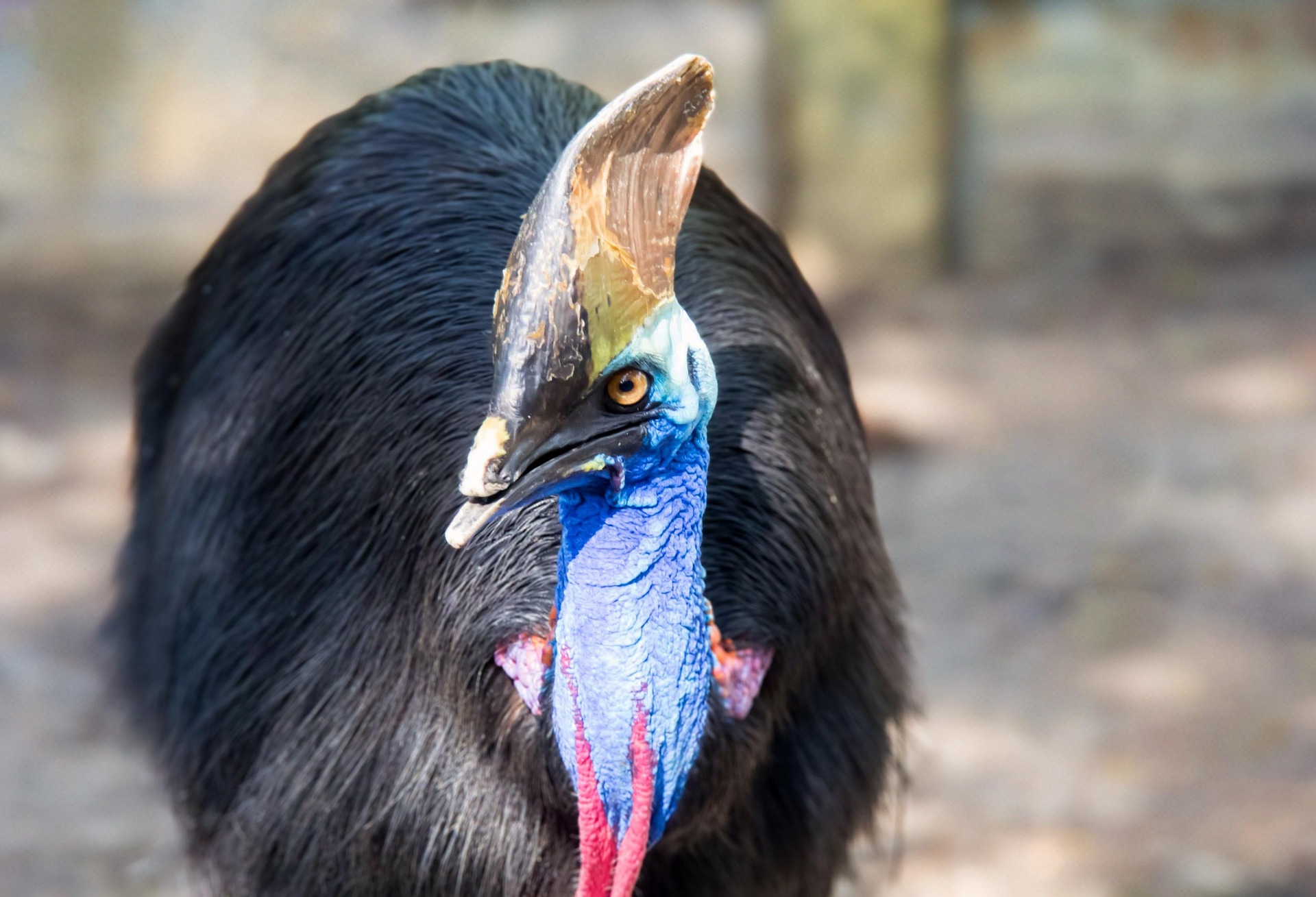
The cassowary is often called the deadliest bird on Earth. With towering height and lethal claws, this flightless creature can easily kill with a single strike. Known for its aggressive nature, the cassowary’s powerful legs can inflict deep wounds, often resulting in fatal injuries.
In 2019, a Florida breeder was attacked by one of his cassowaries, resulting in blunt force trauma and blood loss. The bird’s extreme speed and agility made it an almost impossible adversary. Even though the cassowary may seem calm, it can turn on its owner in a split second.
Conclusion
Owning an exotic pet is a dream for many, but as these tragic cases show, the risks are immense. Whether it’s a bird with deadly claws, a massive hippo with unpredictable rage, or a crocodile with instinctual aggression, the dangers of living with these wild animals cannot be understated.
Before deciding to adopt an exotic pet, it’s crucial to consider the potential consequences and recognize the wild nature that lies beneath the surface.