Oily Rags Can Become a Fire Risk
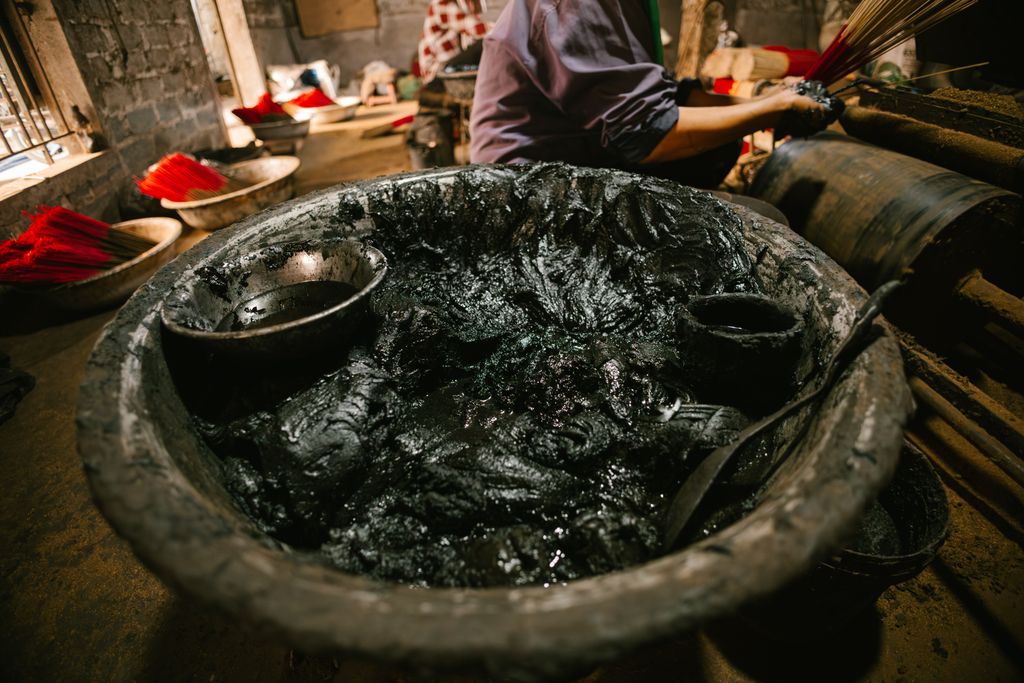
Oily rags may look harmless, tossed in a corner after a painting, staining, or repair project. That is exactly why they are so dangerous. Rags soaked with oil, solvent, or certain finishes can heat up as they dry, especially when piled together with poor airflow. In the wrong conditions, that heat can build until the rags ignite.
This is not the kind of garage clutter to ignore until spring cleaning. Oily rags should never sit in cardboard boxes, plastic bins, open trash cans, or laundry piles. They belong in a proper metal container with a tight lid before disposal. A few dirty rags are not worth risking the garage, the car, or the house attached to it.
Pet Food Can Invite Rodents and Bugs
A big bag of dog food or cat food in the garage seems practical, especially when pantry space is tight. Unfortunately, pests also think it is practical. Mice, rats, ants, roaches, and other unwelcome guests can smell food long before homeowners realize there is a problem. Once they find a steady food source, they may decide to stay.
Pet food can also lose freshness faster when exposed to heat, moisture, and humidity. Even if the bag looks closed, small openings can invite pests or allow air to spoil the food. The better choice is to store pet food indoors in its original bag, placed inside a sealed container. If it must stay in the garage, it needs a sturdy, airtight, pest-resistant container off the floor.
Important Documents Can Be Ruined Quietly
Birth certificates, passports, medical records, old tax documents, insurance files, and family papers do not belong in a garage. Paper absorbs moisture, curls, stains, fades, and can grow mold when stored in damp or unstable conditions. By the time the damage is visible, the documents may already be hard to replace or expensive.
A garage also makes important papers easier to forget. Boxes get moved, pests chew through corners, and leaks can destroy years of records in a single storm. These documents should be kept inside the home in a dry, secure place. A fire-resistant and water-resistant safe is a far smarter option than a cardboard box beside the lawn mower.
Old Computers Can Break Before You Use Them Again
Many people keep old laptops, desktops, monitors, and keyboards in the garage because they are not ready to throw them away. Maybe the files still matter. Maybe someone plans to donate them. Maybe the computer “might be useful someday.” The garage is usually where that good intention goes to die.
Electronics perform poorly in environments with temperature fluctuations and moisture. Heat can damage batteries and components, while humidity can corrode delicate parts. Dust can also settle into vents and ports, making older devices even less reliable. If the computer contains important files, back them up immediately and store the device indoors until it can be reused, donated, recycled, or safely wiped.
Wine Can Spoil Faster Than You Think

Wine may look durable in a bottle, but it is sensitive to heat and temperature changes. A garage can get hot in summer, cold in winter, and unstable in the weeks in between. Those changes can damage flavor, dry out corks, and turn a bottle saved for a nice dinner into a disappointing pour.
A garage is especially bad for wine because it rarely protects bottles from vibration, odor, and light exposure. Paint, gasoline, cleaning products, and other garage smells can make the environment even worse. Wine should be stored in a cool, dark, steady place inside the house. If the bottle is worth saving, it is worth keeping away from the garage.
Paint Can Turn Useless in Extreme Temperatures
Half-used paint cans are garage classics, but that does not mean the garage is good for them. Heat can thicken or separate paint, while freezing temperatures can completely ruin the texture. Once paint changes consistency, it may not spread smoothly or match the original wall color properly.
This becomes a real problem when homeowners need touch-ups. A paint can that looked fine on the shelf may open into a lumpy, separated mess. Store usable paint in a temperature-stable area, away from children, pets, and heat sources. Label cans clearly with the room, date, and color so they are actually helpful later.
Sleeping Bags and Camping Gear Can Get Musty
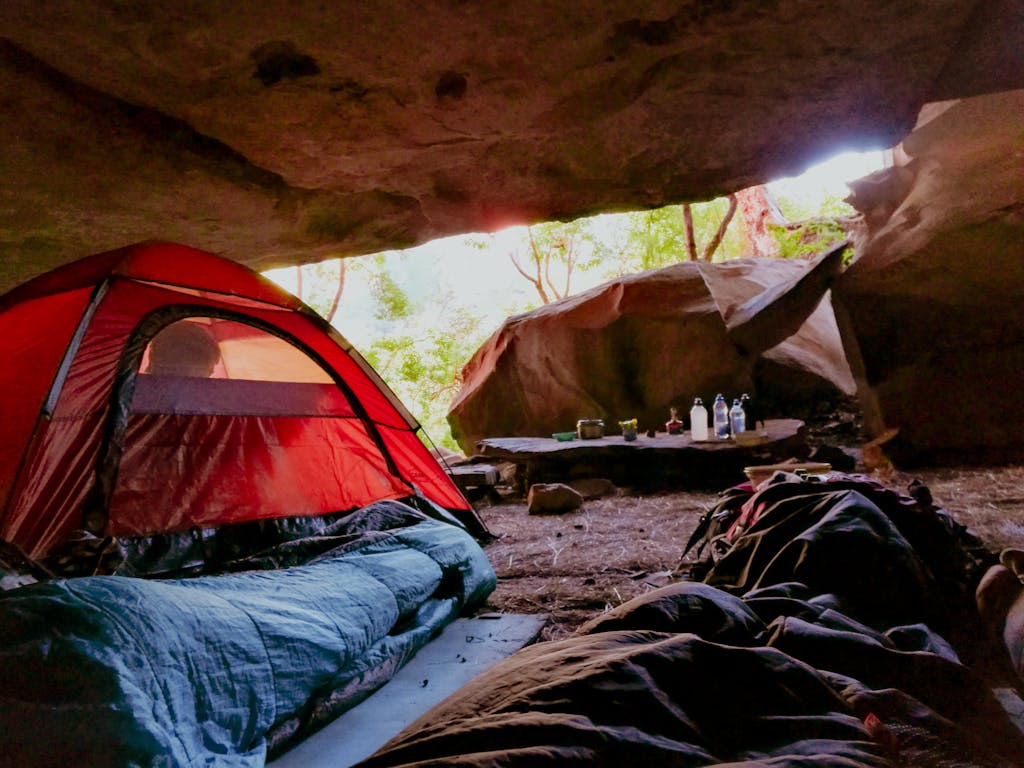
Sleeping bags, tents, blankets, and camping pads seem like perfect garage items because they are only used a few times a year. The problem is that fabric does not love humidity, dust, pests, or temperature swings. A sleeping bag stored loosely in the garage can develop musty smells, mildew, or pest damage before the next camping trip.
Rodents may also chew fabric for nesting material. Insects can hide in folds, and moisture can settle into packed gear. Camping gear should be cleaned, dried fully, and stored indoors in breathable bags or sealed containers when appropriate. Nobody wants to discover moldy gear the night before a trip.
Books and Photos Can Lose What Makes Them Valuable
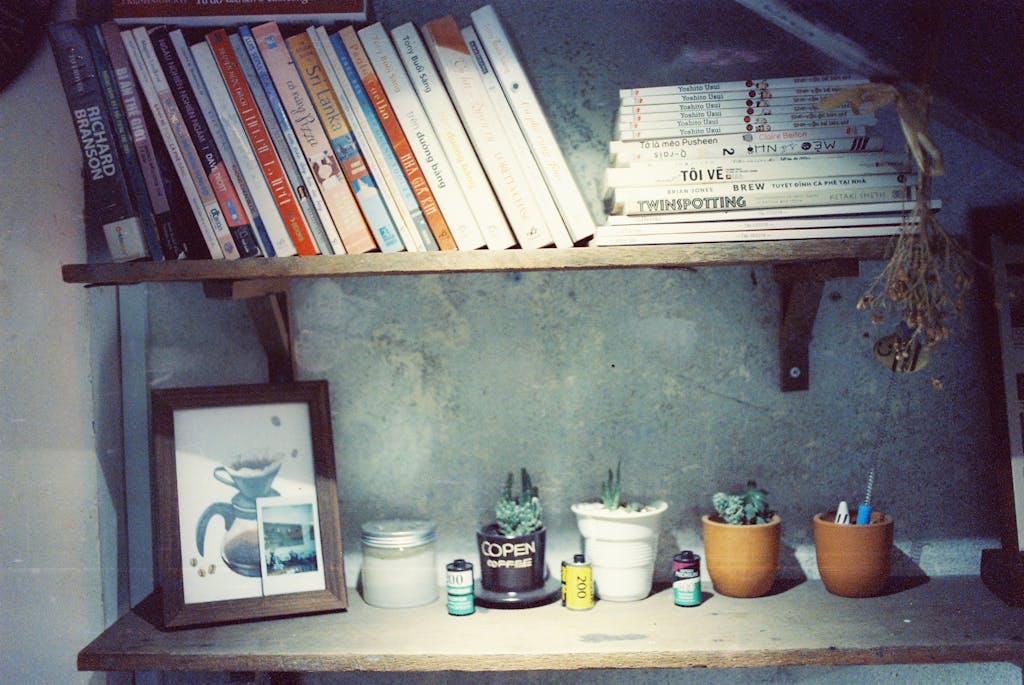
Books, family photos, scrapbooks, school projects, artwork, and old letters often end up in garage boxes because they feel sentimental but not urgent. That is a mistake. Paper and photographs are vulnerable to moisture, heat, fading, pests, and mold. A single damp season can damage memories that cannot be replaced.
The garage is especially risky for items with emotional value. A ruined paperback can be replaced, but a family photo album cannot. Store these items inside the home in dry, cool spaces away from sunlight. Use proper archival boxes when possible, especially for old photos, documents, and keepsakes that matter.
Propane Tanks and Gasoline Need Serious Care
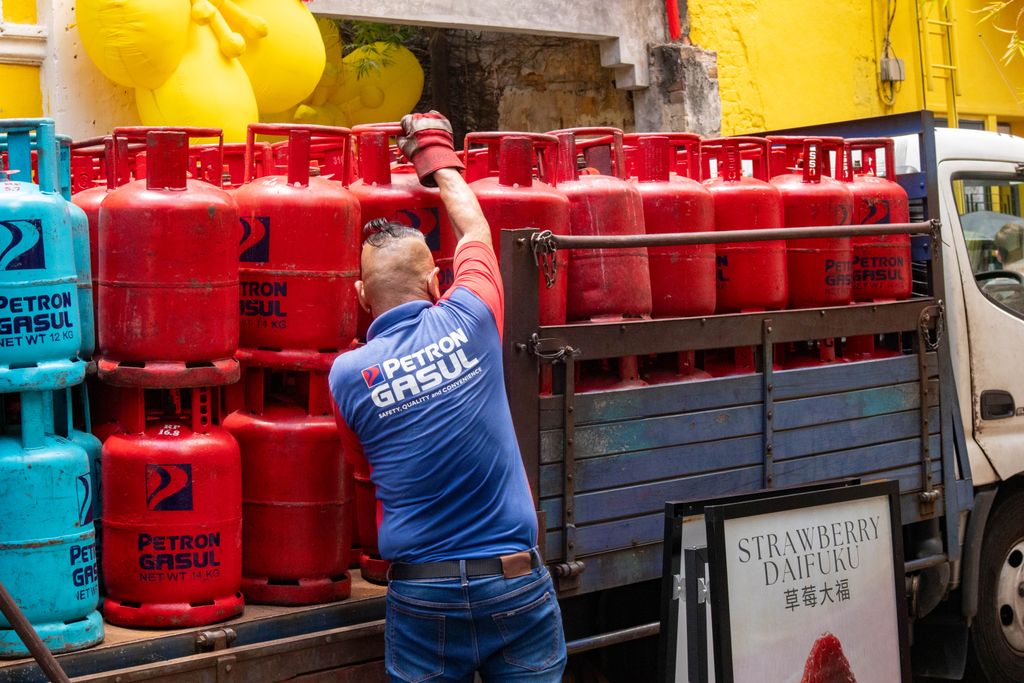
Many garages contain gasoline cans, propane tanks, lighter fluid, and other flammable products. That can create a serious hazard, especially in an attached garage near a water heater, furnace, electrical equipment, or anything with a pilot light. Fumes and leaks are not always obvious, which makes careless storage even more dangerous.
These items should be handled according to safety instructions and local rules. In many cases, outdoor storage in a well-ventilated area away from living spaces is safer. At a minimum, flammable products should remain sealed, upright, away from heat, and out of reach of children and pets. The garage should not become a casual fuel closet.
Extra Food Can Attract More Than Hunger
Some homeowners use the garage as an overflow pantry for snacks, canned goods, bulk purchases, birdseed, flour, cereal, or bottled drinks. It seems reasonable until pests show up. Food odors can attract rodents and insects, and packaging that appears sealed to humans may still be easy for pests to chew through.
Temperature changes can also affect quality. Canned goods, drinks, oils, and dry goods may not hold up well in extreme heat or freezing conditions. Food belongs in a clean, indoor pantry whenever possible. If overflow storage is unavoidable, use heavy-duty, sealed containers and check items often to prevent them from becoming bait.