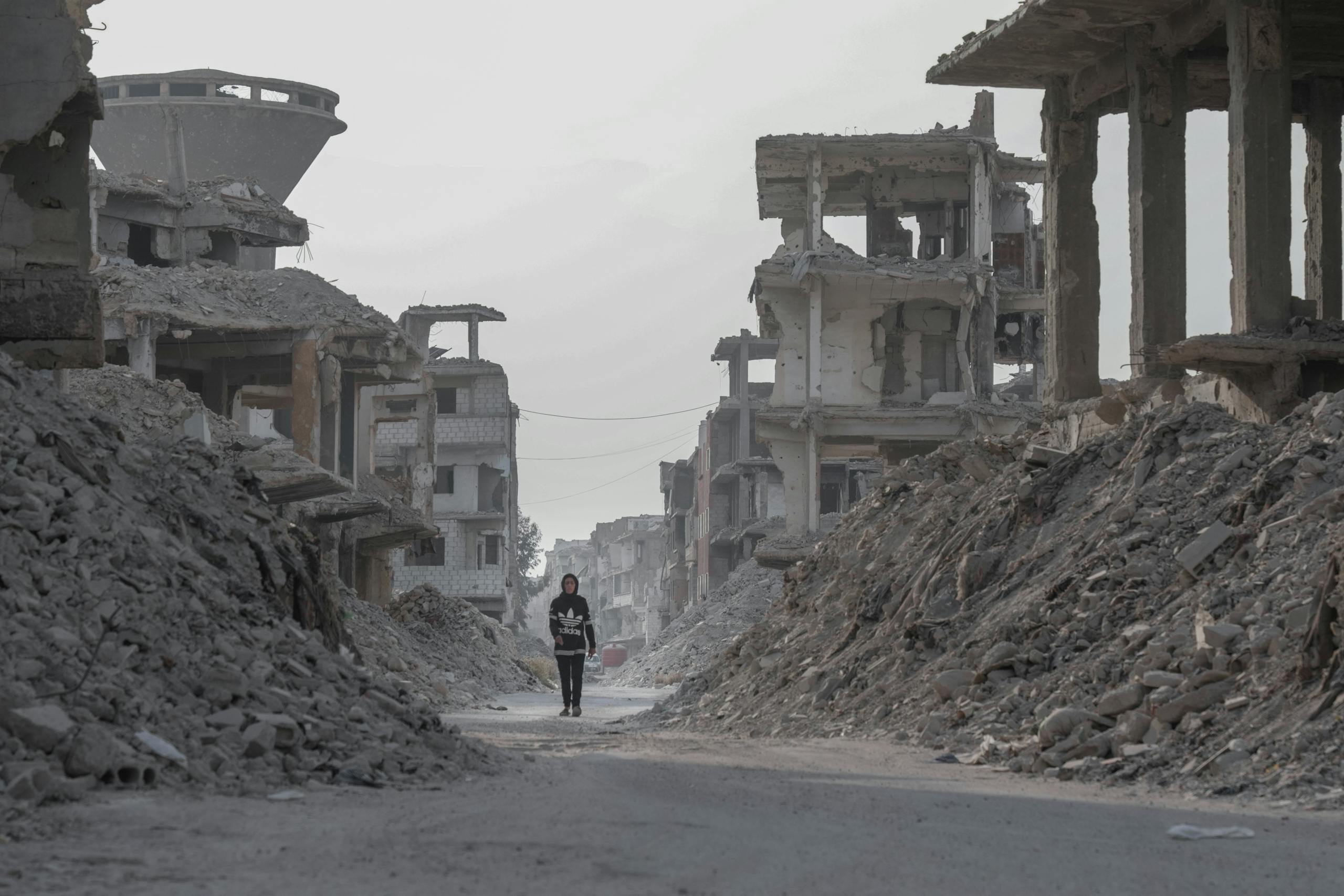
Walking into a dark room, you might feel a chill, a sudden weight on your chest, or the sense that someone is behind you. Millions of people report these experiences, yet others standing in the same space feel nothing at all. These encounters are often described as ghostly, but research shows that the phenomenon is far more complex than mere imagination.
Understanding why some individuals perceive ghosts while others do not requires examining the interplay among environment, brain physiology, personality, beliefs, memory, and even culture. These experiences are not necessarily supernatural, yet they can feel intensely real, shaping memories and emotions for years.
Ghost Encounters Are Universally Human
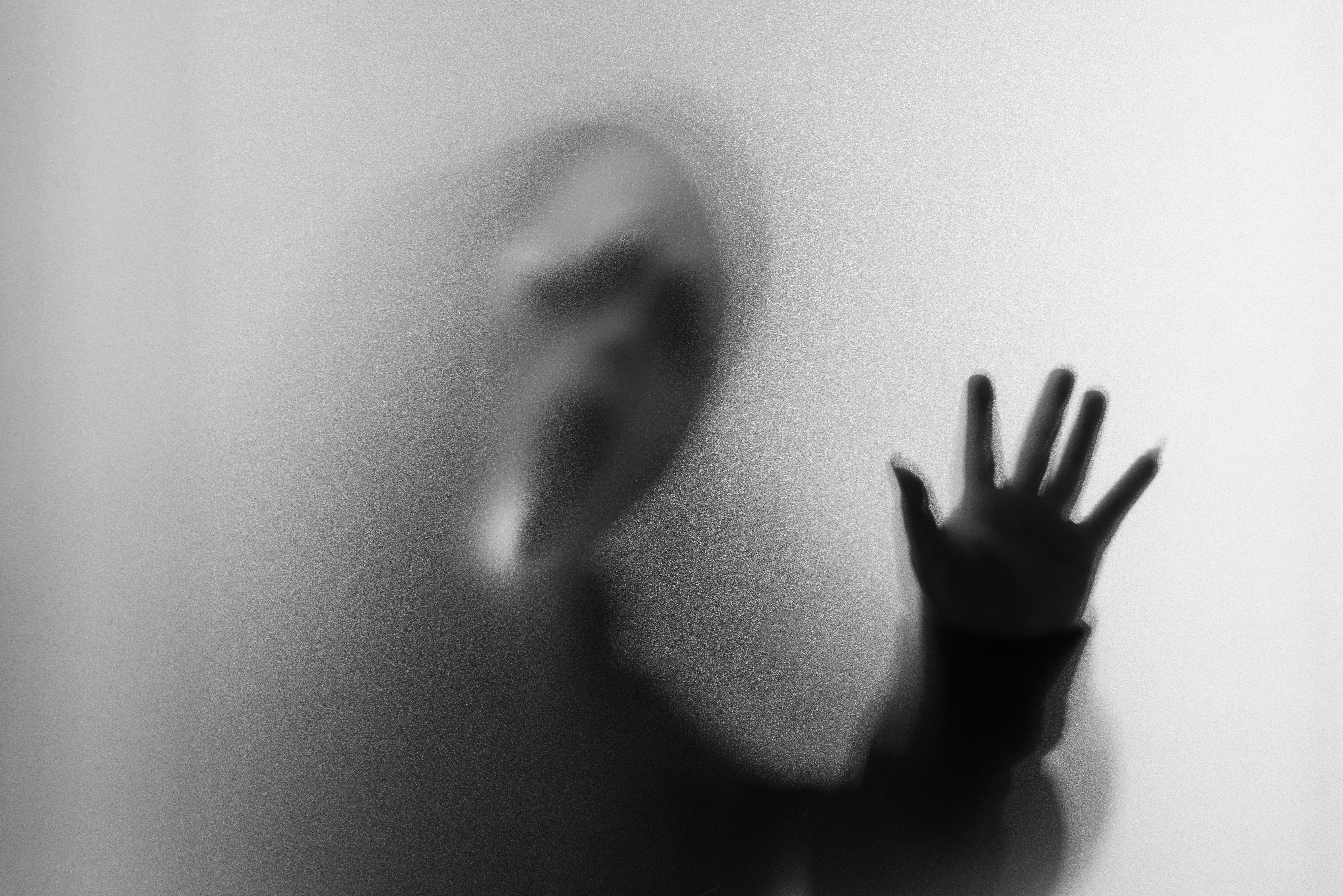
Studies indicate that roughly 18 percent of American adults report having seen a ghost, while more than 29 percent report sensing the presence of a deceased loved one. Such statistics suggest these experiences are not fringe anomalies but part of a broader human phenomenon. Anthropological evidence supports this, showing ghost sightings or spirit encounters exist across nearly every culture and historical period.
Cultural narratives influence the content of these experiences. In some societies, spirits appear as deceased ancestors; in others, they manifest as shadowy figures or presences that communicate warnings. This consistency hints at a shared human mechanism for perceiving ambiguous sensory input, shaped by both evolution and cultural expectations.
The Brain Fills in Gaps and Sees Patterns
Our brains are predictive machines. When sensory input is unclear, the mind fills in missing information to maintain coherence. In low-light conditions, unfamiliar settings, or during moments of high stress, the brain can over-interpret normal sounds, shadows, or temperature changes as evidence of another presence.
This hypervigilance is evolutionarily advantageous, allowing humans to respond quickly to potential threats. Yet it can also produce false positives. A rustling curtain may become a figure, a creaking floorboard may feel like footsteps, and a fleeting shadow may appear human. This pattern detection explains why haunted experiences often feel highly realistic.
Sleep Paralysis and the Temporoparietal Junction
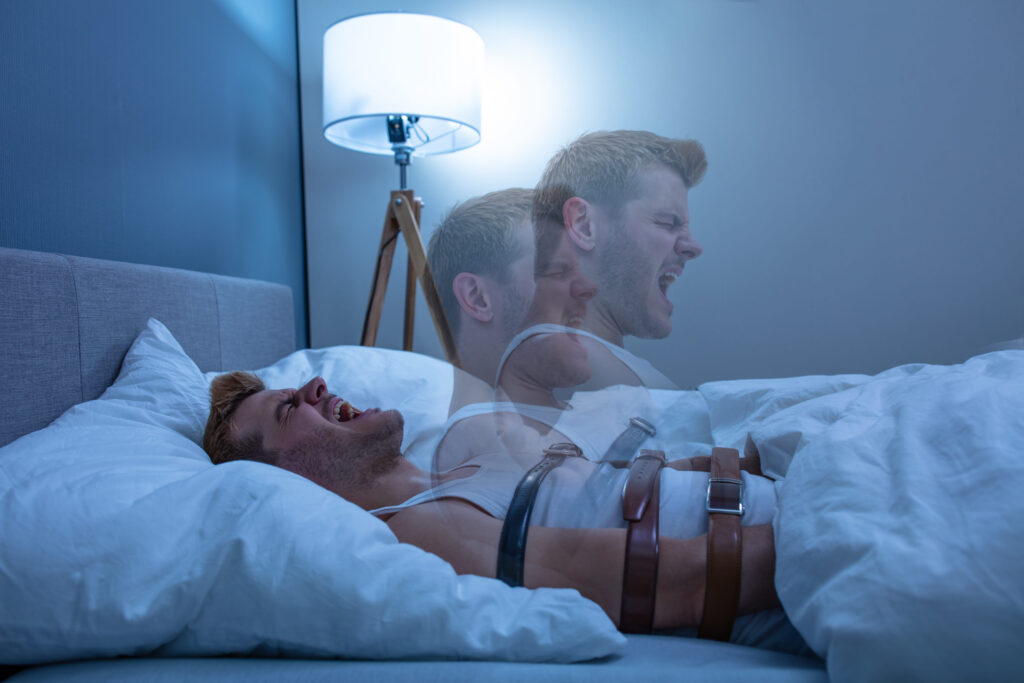
One of the most vivid triggers for ghost-like experiences is sleep paralysis, a state in which individuals wake mentally while their body remains temporarily immobilized during REM sleep. During these episodes, people often report pressure on the chest, floating sensations, or the impression of a presence in the room.
The temporoparietal junction in the brain, which helps define the boundary between the self and the environment, plays a central role. Glitches in this region can generate “presence hallucinations,” creating the sensation that someone is nearby even when the room is empty. Together, sleep paralysis and TPJ disruption can produce encounters indistinguishable from real experiences for the person involved.
Environmental Triggers: EMF, Infrasound, and Neurotoxins
Certain physical factors can make spaces feel “haunted.” Low-frequency infrasound, produced by storms, machinery, or wind through structural gaps, can create unease, dizziness, or chills without conscious awareness. Electromagnetic field fluctuations, common in old wiring or near electronic devices, may subtly affect neural activity associated with perception and emotion.
Recent research also highlights environmental neurotoxins as potential triggers. Low levels of carbon monoxide, mold spores, or volatile organic compounds can cause disorientation, headaches, or mild hallucinations, offering a real-world explanation for experiences in seemingly haunted locations.
Stress Hormones Amplify the Experience
Cortisol and adrenaline heighten the brain’s sensitivity to potential threats. Individuals under stress, grief, or trauma may interpret ordinary stimuli as extraordinary. That explains why ghost sightings often occur in emotionally charged situations: a funeral home, an empty hospital, or a house associated with tragic events. The body reacts first, the brain constructs the narrative second.
Memory Reconstruction Shapes the Story
Even brief experiences can become lasting memories. Human memory is reconstructive, not photographic. People often enhance or clarify details with each retelling, particularly when strong emotion is involved. A vague shadow can become a figure, a fleeting sound can become a whisper, and a momentary chill can solidify as undeniable proof of a ghost.
Social influence amplifies this process. Stories told by friends, family, or community members prime individuals to notice and interpret ambiguous cues in a haunted framework. Over time, the memory of a fleeting experience can evolve into a convincing encounter.
Personality, Belief, and Magical Thinking
Some individuals are more prone to ghostly experiences due to personality traits. High imagination, openness to unusual experiences, magical thinking, and suggestibility can make people more sensitive to ambiguous stimuli.
Belief interacts with perception. A person expecting a haunted room will interpret minor noises, drafts, and shadows as supernatural. Conversely, a skeptic may experience the same environment with little to no emotional or perceptual distortion. In this way, ghosts exist as much in the mind and belief as in physical space.
Grief, Comfort, and Apparent Contact with the Deceased
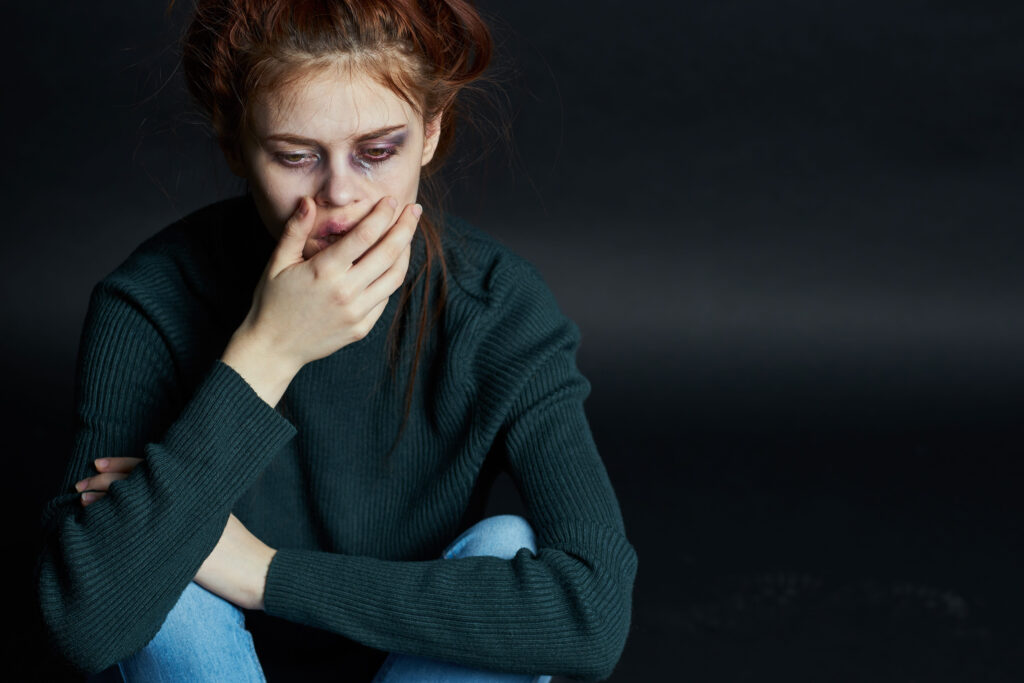
Not all ghost encounters are frightening. Many involve deceased loved ones appearing in dreams, visions, or fleeting presences. Grief can heighten attention to subtle environmental cues, smells, sounds, and visual impressions that the brain interprets as the continued presence of a loved one.
Science explains the mechanism but does not diminish the emotional reality. For many, these moments provide closure, comfort, and connection, illustrating the powerful intersection of psychology, neurobiology, and human emotion.
The Social Dimension of Ghost Sightings
Ghost stories and haunted reputations spread socially, reinforcing perception. Entering a space with a known legend primes the brain for expectation-driven perception, increasing the likelihood that ambiguous cues will be interpreted as paranormal. In effect, haunted locations leverage human social and cognitive wiring to amplify the experience without any supernatural intervention.