Most people instinctively throw everything into the fridge “just to be safe,” but refrigeration is not a one-size-fits-all solution. Many foods actually suffer in cold environments, losing flavor, texture, and nutritional quality, and, in some cases, cold storage can accelerate spoilage. To truly preserve the taste, aroma, and shelf life of your groceries, it’s essential to understand which foods should never be refrigerated and how to properly store them.
Tomatoes Cold Steal Their Flavor and Aroma
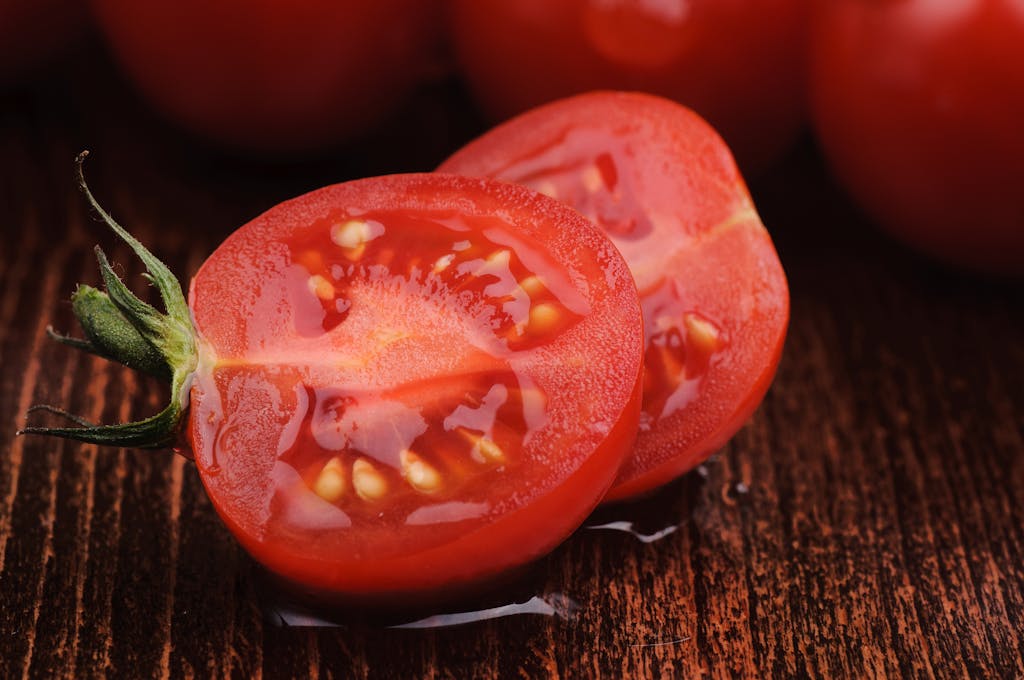
Tomatoes are notorious fridge victims. When stored in cold temperatures, their delicate cell walls break down, leaving them mealy and flavorless. That vibrant, juicy burst you expect from a ripe tomato becomes bland and watery.
Instead, keep tomatoes at room temperature on a counter, out of direct sunlight, to allow them to ripen naturally. Refrigerate only once they’re cut to prevent microbial growth, and use them quickly to enjoy full flavor.
Potatoes: The Chill Makes Them Sweet and Gritty
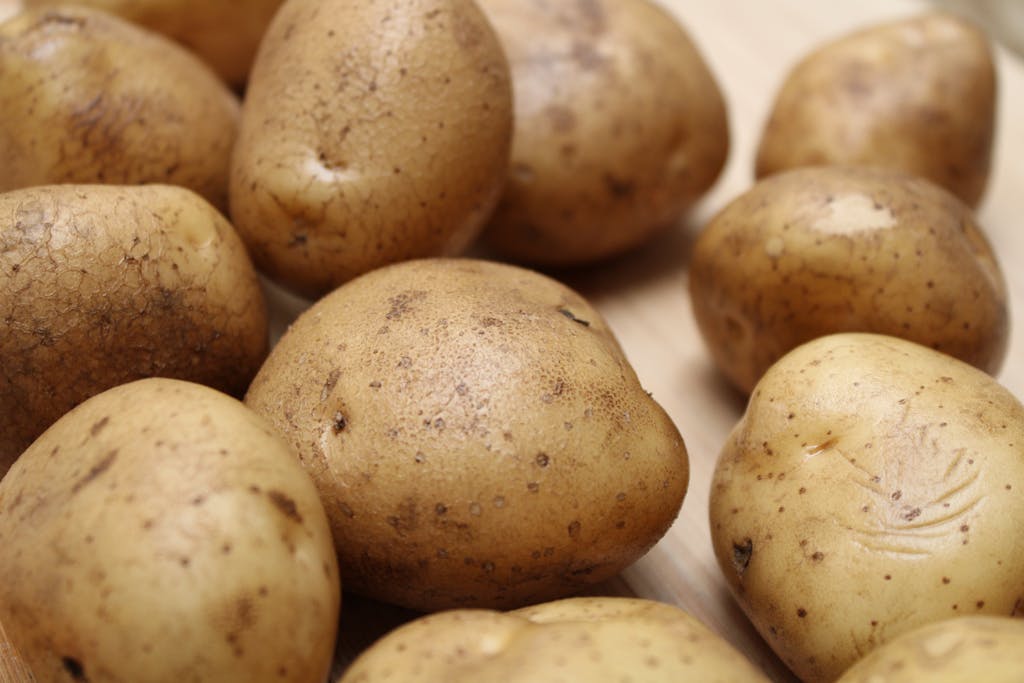
Cold converts potato starch into sugar, altering the taste and texture when cooked. Fries, roasted potatoes, and mashed potatoes can end up overly sweet or gritty if stored in the refrigerator.
Instead, store potatoes in a cool, dark, and well-ventilated pantry in a paper bag or breathable bin. Avoid plastic bags, which trap moisture and accelerate sprouting.
Onions Refrigeration Encourages Mold and Sprouts
Whole onions detest the fridge. Exposure to cold and humidity softens their flesh, encourages sprouting, and promotes mold growth. Store onions at room temperature in a ventilated basket or mesh bag, keeping them away from potatoes, which release moisture that hastens spoilage.
Sliced or chopped onions should be refrigerated in airtight containers for short-term use only.
Garlic Cold Dulls Flavor and Invites Mold
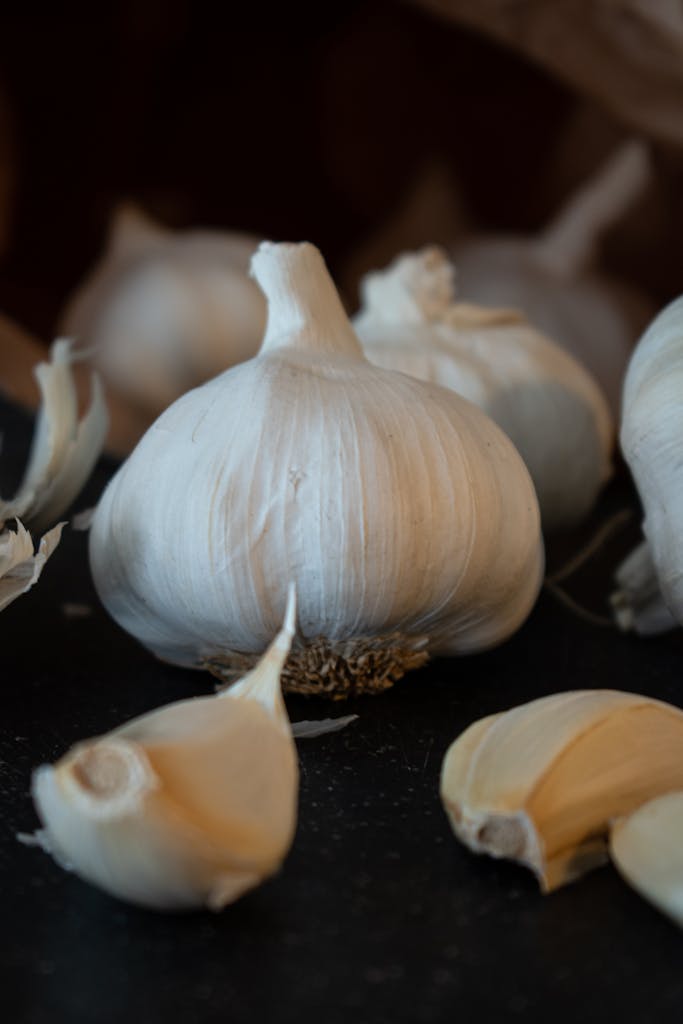
Garlic is another pantry staple that suffers in cold weather. Refrigeration halts the natural curing process, softens cloves, and promotes mold formation. Keep garlic in a cool, dry place in a breathable container.
Peeled cloves can be refrigerated briefly if needed, but the bulb itself thrives at room temperature, maintaining aroma and flavor intensity.
Bread Fridge Staleness Is Real
Refrigerators dry out bread at an alarming rate, leaving it tough, crumbly, and far from bakery-fresh. Bread’s natural moisture evaporates in the cold, accelerating staleness rather than slowing it.
For short-term storage, keep bread in a breadbox or an airtight container at room temperature. For longer-term preservation, freeze loaves and thaw slices individually. This method keeps texture and taste intact.
Honey Cold Causes Gritty Crystals
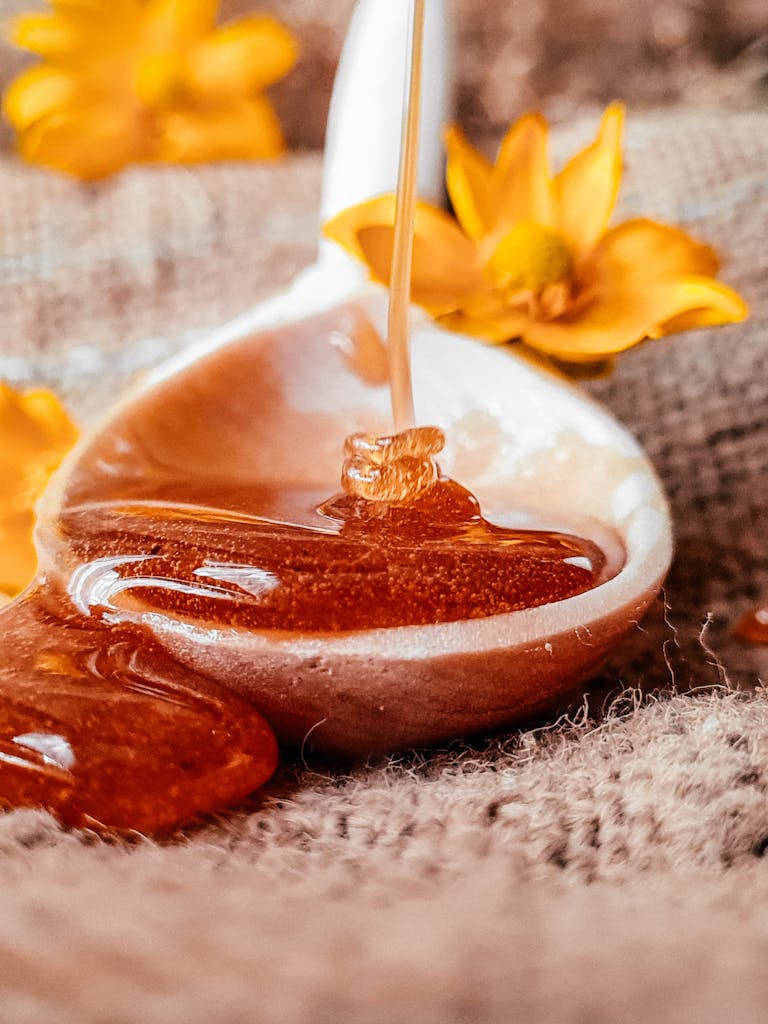
Honey never truly spoils, but refrigeration accelerates crystallization, creating a gritty, hardened texture that’s difficult to pour or spread. Store honey in a sealed jar at cool room temperature to maintain smooth consistency.
If crystallization occurs, gently warm the jar in a hot water bath to restore it to a liquid state without affecting its taste.
Coffee Refrigeration Steals Aroma and Flavor
Coffee beans and grounds are highly sensitive to moisture and odors. Refrigeration absorbs humidity and the scents of other foods, diminishing complex aromatic compounds and robbing coffee of its nuanced flavors.
Store coffee in an opaque, airtight container at room temperature, away from sunlight and heat, and use it within one to two weeks for peak freshness.
Avocados Chill Stops Natural Ripening
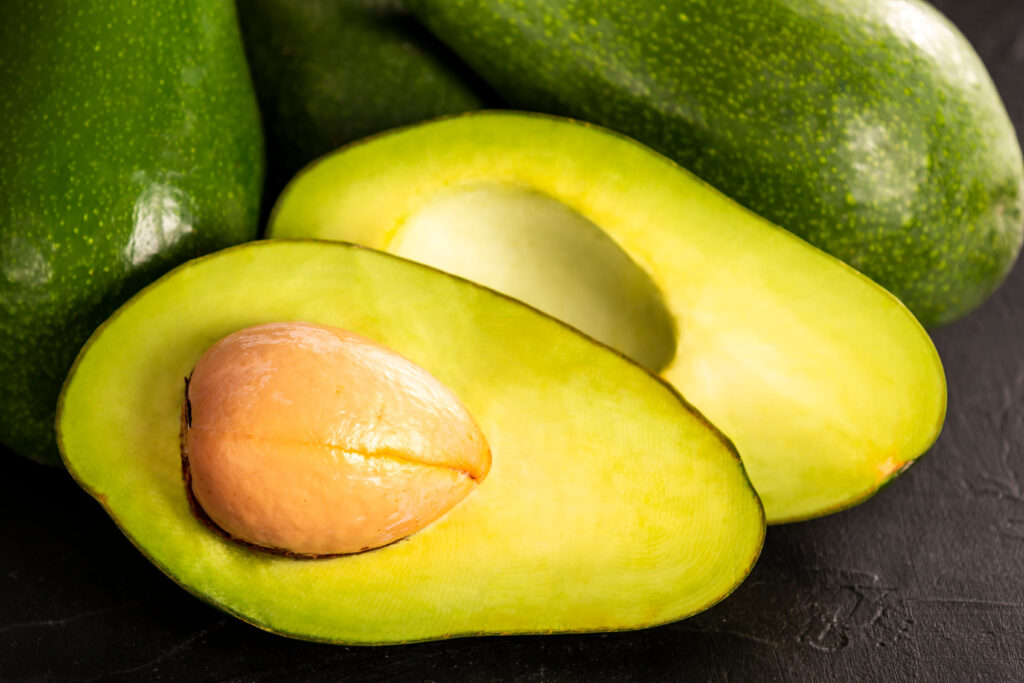
Cold storage halts the enzymatic ripening process of avocados, leaving them firm, flavorless, and unappetizing.
Unripe avocados should always ripen at room temperature, and only once perfectly ripe should you move them to the fridge to slow further softening. This ensures creamy, buttery flesh that’s ready for guacamole or toast.
Bananas Fridge Blacken and Halts Flavor Development
Bananas turn black in the fridge, and while the fruit inside remains edible, the cold stops the natural ripening process. Keep bananas on the counter or in a hanging fruit basket.
If you have overripe bananas, peel and freeze them for smoothies, baking, or desserts, rather than chilling them whole.
Melons Refrigeration Reduces Sweetness

Whole melons, including cantaloupe and watermelon, lose aromatic compounds and sweetness when stored in cold temperatures.
Let them ripen fully at room temperature, then slice and refrigerate for short-term use, covering them tightly to prevent moisture loss. This ensures maximum flavor and maintains ideal texture.
Oils (Certain Types) Cold Thickens and Cloudifies
Unrefined oils, such as extra-virgin olive oil or nut oils, can thicken or solidify in the refrigerator. While not harmful, it alters pourability and mouthfeel.
Store oils in a cool, dark cupboard, away from heat sources. Refrigerate specialty oils only if you won’t use them for an extended period.
Basil Fridge Turns It Black and Limp
Fresh basil is highly sensitive to cold. Refrigeration causes leaves to blacken, wilt, and lose flavor rapidly.
Treat basil like a bouquet of flowers: trim the stems, place in a glass of water at room temperature, and loosely cover with a plastic bag to retain humidity. Use within a few days for maximum freshness.
Tropical Fruits Cold Kills Texture and Aroma
Mangoes, papayas, pineapples, and other tropical fruits are sensitive to low temperatures due to enzymatic activity. Cold slows ripening, resulting in a bland flavor and a grainy texture. Keep tropical fruits at room temperature until fully ripe, then refrigerate if necessary to extend shelf life post-ripening.
Whole Apples’ Fridge Can Ruin Crispness

While sliced apples belong in the fridge, whole apples lose their crunch and develop a mealy texture if chilled too long. Store apples in a cool, ventilated area for short-term storage, or refrigerate only if not consumed within a week.
Citrus Flavors Fade in Cold
Oranges, lemons, limes, and grapefruit gradually lose aromatic oils and flavor compounds when refrigerated for long periods. Room-temperature storage is ideal for short-term use. Only refrigerate if storing for more than a week, and keep in a breathable bag.
Why Refrigeration Isn’t Always Better
Refrigeration slows bacterial growth, yes, but it also:
- Breaks down delicate enzymes and cell walls
- Dulls flavors and aromas
- Alters texture, making some foods mushy or mealy
- Increases susceptibility to odor absorption
Takeaway
Refrigeration is not a universal solution. Understanding which foods are affected by cold environments prevents flavor loss, spoilage, and wasted money. By storing foods appropriately at room temperature, in the fridge only when ripe or cut, or frozen when necessary, we preserve taste, texture, and nutrients while keeping your kitchen efficient and organized.