Even lifelong brushers can sabotage their oral health with habits they think are helpful. Missteps that seem minor can lead to gum damage, enamel erosion, persistent bad breath, and costly dental procedures. Avoid these common errors to protect your smile, maintain fresh breath, and prevent long-term dental problems.
Scrubbing Too Hard Ruins Enamel
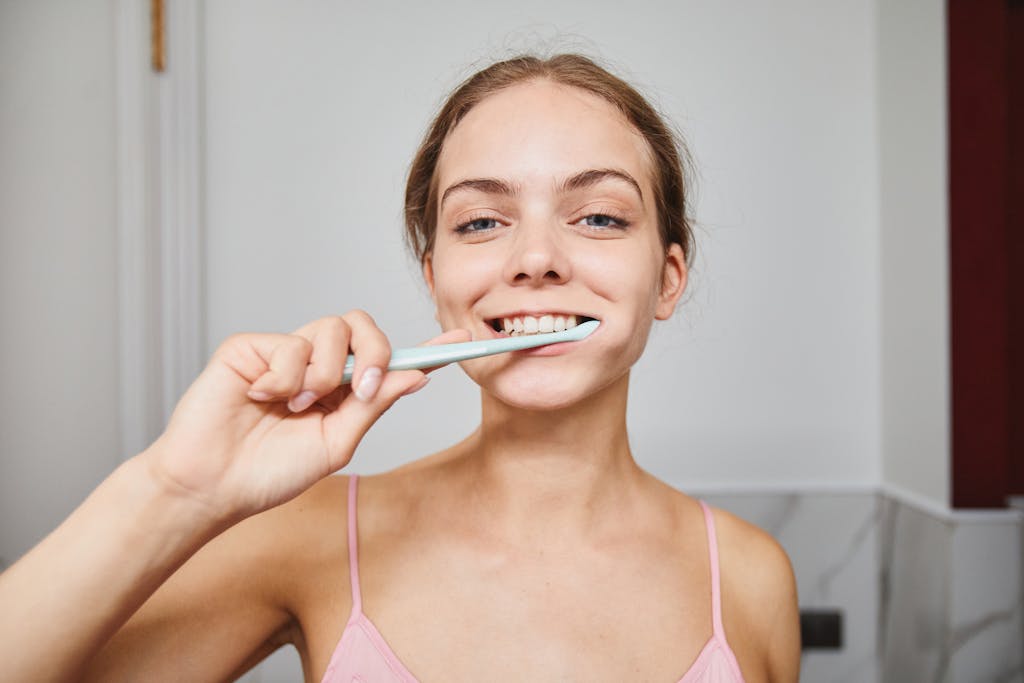
Brushing with excessive force won’t remove more plaque. It actually wears down enamel, exposes dentin, and causes gum recession.
Gentle pressure with circular strokes cleans effectively without harming sensitive tissues.
Tip: Hold your brush like a pen and focus on technique over force.
Rushing Your Brushing Routine
Most people spend less than a minute brushing, but dentists recommend at least 2 full minutes.
Skipping time allows plaque to accumulate, which contributes to cavities and tartar buildup.
Tip: Use a timer or play a two-minute song to ensure adequate brushing.
Rinsing With Water After Brushing
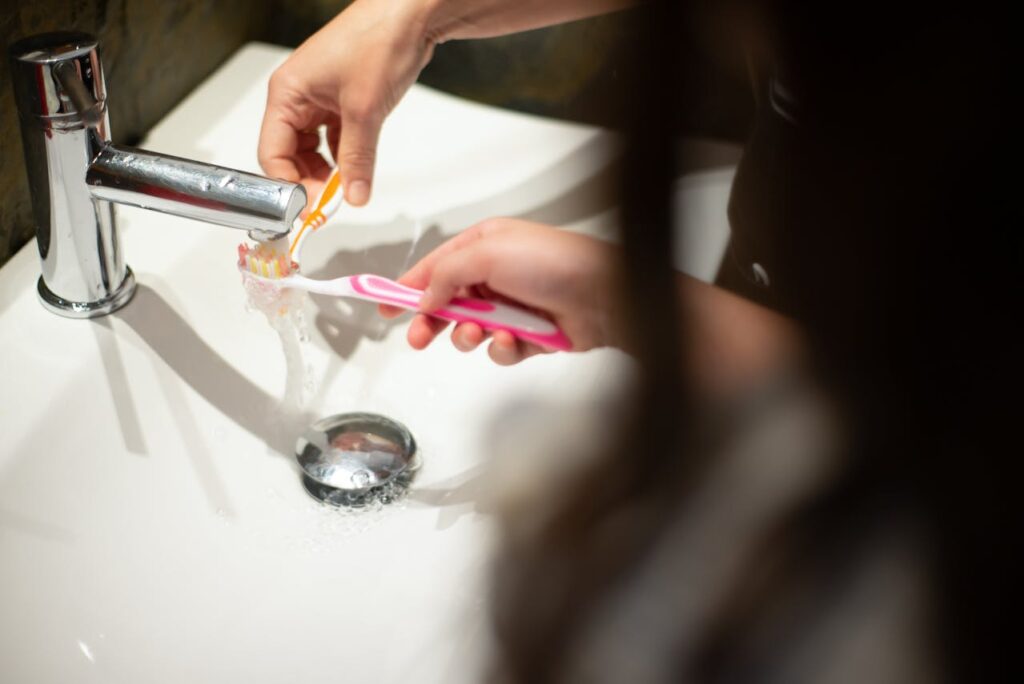
Diluting toothpaste with water immediately after brushing reduces the effectiveness of fluoride.
Fluoride needs to coat the enamel to strengthen it.
Tip: Spit excess toothpaste but avoid a full rinse; alternatively, use fluoride mouthwash.
Using a Hard-Bristled Toothbrush
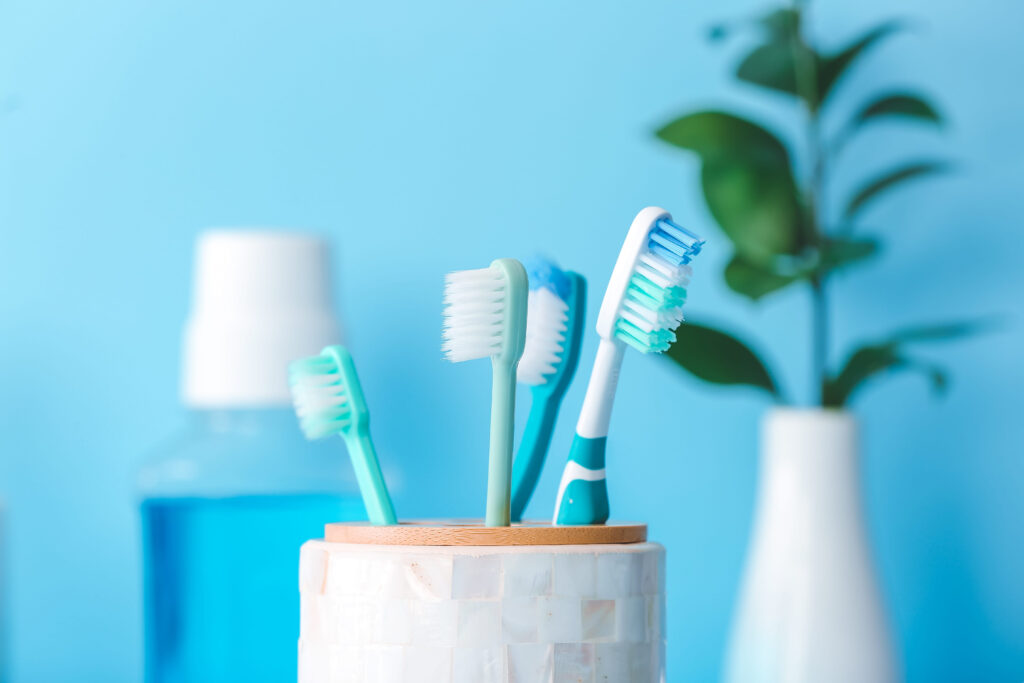
A firm brush may feel satisfying, but it’s abrasive. Over time, it erodes enamel and irritates gums.
Even so-called “medium” brushes can be damaging if pressure is too high.
Tip: Choose a soft or extra-soft brush and replace it every 3–4 months.
Incorrect Brushing Technique
Side-to-side scrubbing scrapes gums and leaves plaque in hard-to-reach spots.
Small circular motions along the gumline ensure comprehensive cleaning.
Tip: Tilt your brush at 45 degrees to the gumline for best results.
Brushing the Same Pattern Every Time
Repeating the exact sequence daily can leave the same areas untouched. Plaque accumulates in neglected spots, especially between teeth and molars.
Tip: Vary your brushing pattern and pay attention to all tooth surfaces.
Forgetting to Replace Your Toothbrush Regularly
Bacteria and wear make old brushes ineffective. Frayed bristles don’t clean properly and harbor germs that can lead to infections.
Tip: Replace every three months or immediately after illness
Neglecting Your Tongue

The tongue harbors bacteria responsible for bad breath and plaque formation. Ignoring it undermines the benefits of brushing.
Tip: Use a tongue scraper or brush your tongue gently each session.
Improper Toothbrush Storage

Leaving a toothbrush exposed in a sink invites bacteria, mold, and even traces of fecal contamination. Moisture and proximity to the toilet increase risk.
Tip: Store in a closed cabinet or drawer, upright in a holder allowing airflow.
Skipping Flossing
Toothbrushes cannot reach tight spaces between teeth. Floss removes plaque and debris that cause cavities and gum disease.
Tip: Floss at least once daily, ideally before bedtime.
Brushing Too Often

More is not better. Excessive brushing wears down enamel and can inflame gums. Dentists recommend brushing twice a day, morning and night, no more.
Tip: Stick to a consistent schedule; resist over-brushing after meals.
Conclusion
Avoiding these 11 critical mistakes ensures your daily brushing actually protects your teeth rather than slowly damaging them. Follow these expert-approved strategies to maintain stronger enamel, healthier gums, and fresher breath for years to come.