A hydro garden can bring life, freshness, and productivity into your home, but its success depends on location. The wrong spot can turn a simple indoor growing project into a daily headache with drooping leaves, algae-filled reservoirs, spills, and constant maintenance. Hydroponic gardening seems straightforward, no soil, no mud, no messy pots, but the system depends on controlled light, temperature, airflow, and easy accessibility. Ignoring placement can silently sabotage your plants, and many beginners blame equipment or nutrients when the real culprit is the environment.
A hydro garden thrives when roots stay oxygenated, water temperature is stable, light is consistent, and the system is easy to reach for regular checks. If you set up your garden in the wrong spot, problems often appear gradually: leaves stretch unevenly, growth slows, water temperatures swing wildly, and algae takes hold. Knowing where not to place your hydro garden is just as important as selecting the right seeds, nutrient solutions, and system.
Direct Sunlight
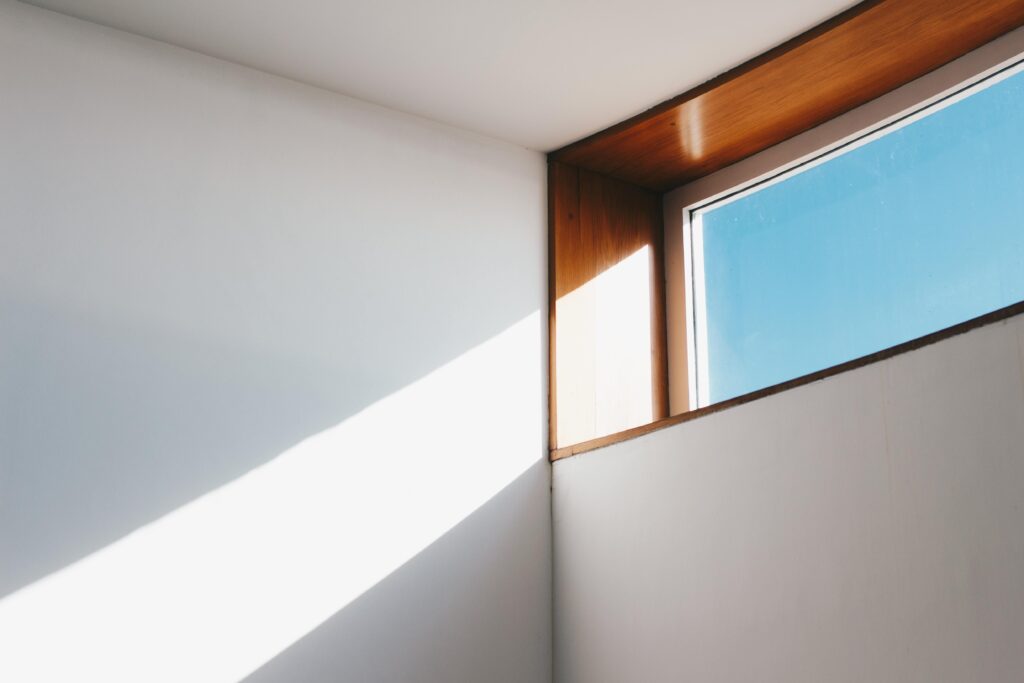
It’s tempting to put your hydro garden by a sunny window, thinking your plants will thrive on natural light. The reality is that direct sun is unpredictable and can overheat both water and roots. Rapid temperature changes stress plants and can encourage algae, creating a green, slimy reservoir instead of a thriving garden.
Sunlight hitting one side of the plant can also cause uneven growth, while leaves closest to the glass risk burning during peak heat. Even plants that love bright light prefer consistency, which a sunny window rarely provides. Instead, place your hydro garden in a well-lit area with indirect sunlight and use artificial grow lights to control timing, intensity, and distance. This ensures your plants get consistent energy without being stressed by temperature swings.
Bathrooms
Bathrooms may seem convenient for hydro gardening because water is nearby, but high humidity and poor ventilation make them one of the worst locations. Steam, trapped moisture, and soap particles create ideal conditions for mold, mildew, and bacterial growth. A damp bathroom makes it harder to keep your hydro system clean and healthy.
Most bathrooms also lack consistent airflow. Stagnant air prevents proper gas exchange in leaves and roots, weakening plant development over time. Cleaning is another concern: chemical sprays, hair products, and other personal care items can drift into your garden and contaminate your food crops. A hydro garden thrives in fresh, dry, well-ventilated spaces, far from the bathroom.
Kitchens

Kitchens seem ideal because they are associated with food and water, but cooking fumes, grease, and heat make them risky for hydro gardens. Steam, smoke, and tiny particles settle on leaves and reservoirs, creating an environment that can quickly become unsanitary. Grease can attract dust, clog pumps, and coat surfaces, making maintenance more difficult.
Frequent temperature swings in kitchens, caused by ovens, stovetops, or dishwashers, stress plants and disrupt water temperatures. Busy kitchen activity increases the risk of accidental knocks, spills, or even damage to system components. Pets and children in kitchens can disturb the setup, chewing leaves or tipping containers. The best approach is to keep your hydro garden in a cleaner, quieter space away from constant human activity.
Near Heating or AC Vents

Hydro gardens cannot handle sudden temperature fluctuations. Placing your system near heating vents or air conditioning units exposes plants to bursts of hot or cold air that shock roots and stress foliage. Heaters can dry out leaves and overheat water, while AC units chill roots and slow nutrient uptake.
Forced air also accelerates water evaporation, requiring more frequent topping up and nutrient adjustments. The combination of temperature swings and drying airflow reduces plant efficiency and can stunt growth. A stable environment, away from vents and drafts, keeps water, roots, and leaves in balance, allowing your hydro garden to flourish without constant intervention.
Basements
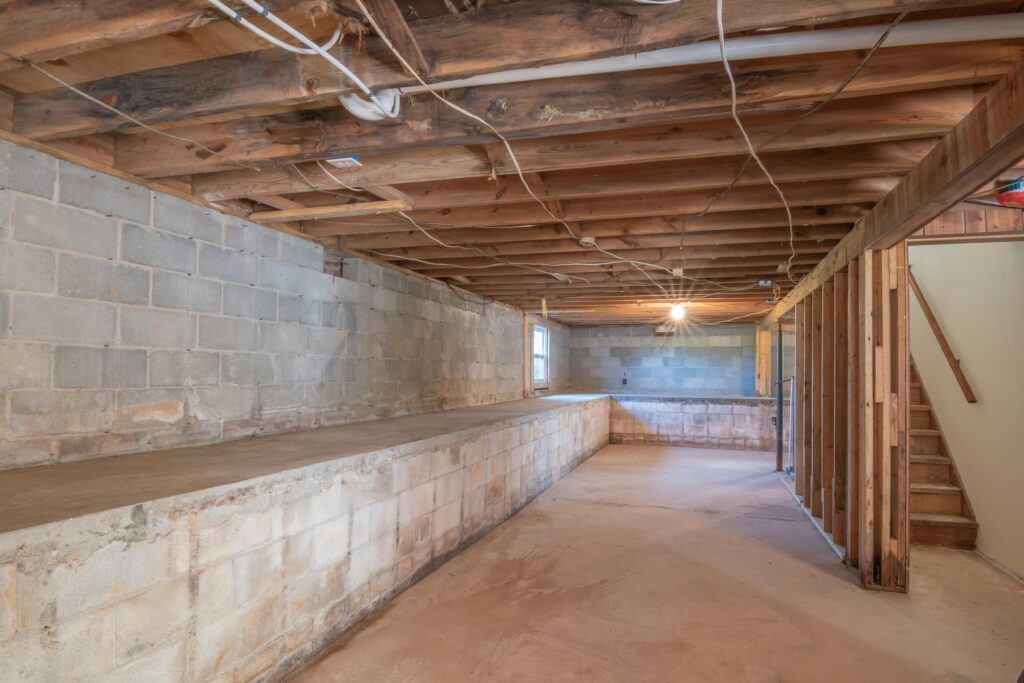
Basements may offer extra space, but they often introduce problems that outweigh the benefits. Low light levels, damp conditions, poor ventilation, and cooler temperatures can slow plant metabolism and stunt growth. Moisture from basement walls or floors can increase the risk of mold and unpleasant odors around the garden.
Limited natural light means you must rely entirely on artificial lighting. Poor planning can result in uneven growth or stretched plants. Electrical hazards are also a concern: water and electrical equipment in a damp basement can cause shorts or create safety risks. If a basement is the only option, make sure to elevate the system, improve airflow, and use waterproof flooring and protective mats to safeguard your equipment and plants.
High Traffic Areas
Hallways, living rooms, or entryways may seem convenient because you can often see your hydro garden, but high-traffic areas are prone to accidents. People bump into trays, knock over containers, or disturb cords. Pets and children increase the risk of damage, chewing leaves, or tipping the system over entirely.
Dust and debris from frequent foot traffic also settle into the system, potentially clogging pumps or coating leaves. Placing your hydro garden in a quieter, low-traffic location ensures it is safe and stable. Choose a spot that is easy to access for maintenance, pruning, and checking water and nutrient levels, but is removed from daily household chaos. A spare room, a laundry area with good ventilation, or an enclosed sunroom with controlled light works best.