When you set out to create the perfect garden, it’s easy to get lost in the sea of plants, materials, and fancy landscaping trends. But here’s a harsh truth: many of the choices you make might be setting you back more than you think. You’re probably unknowingly sabotaging your garden and your budget.
Let’s uncover some of the most common and costly landscaping mistakes, and what you can do to fix them before they drain your wallet.
The Hidden Cost of Overwatering
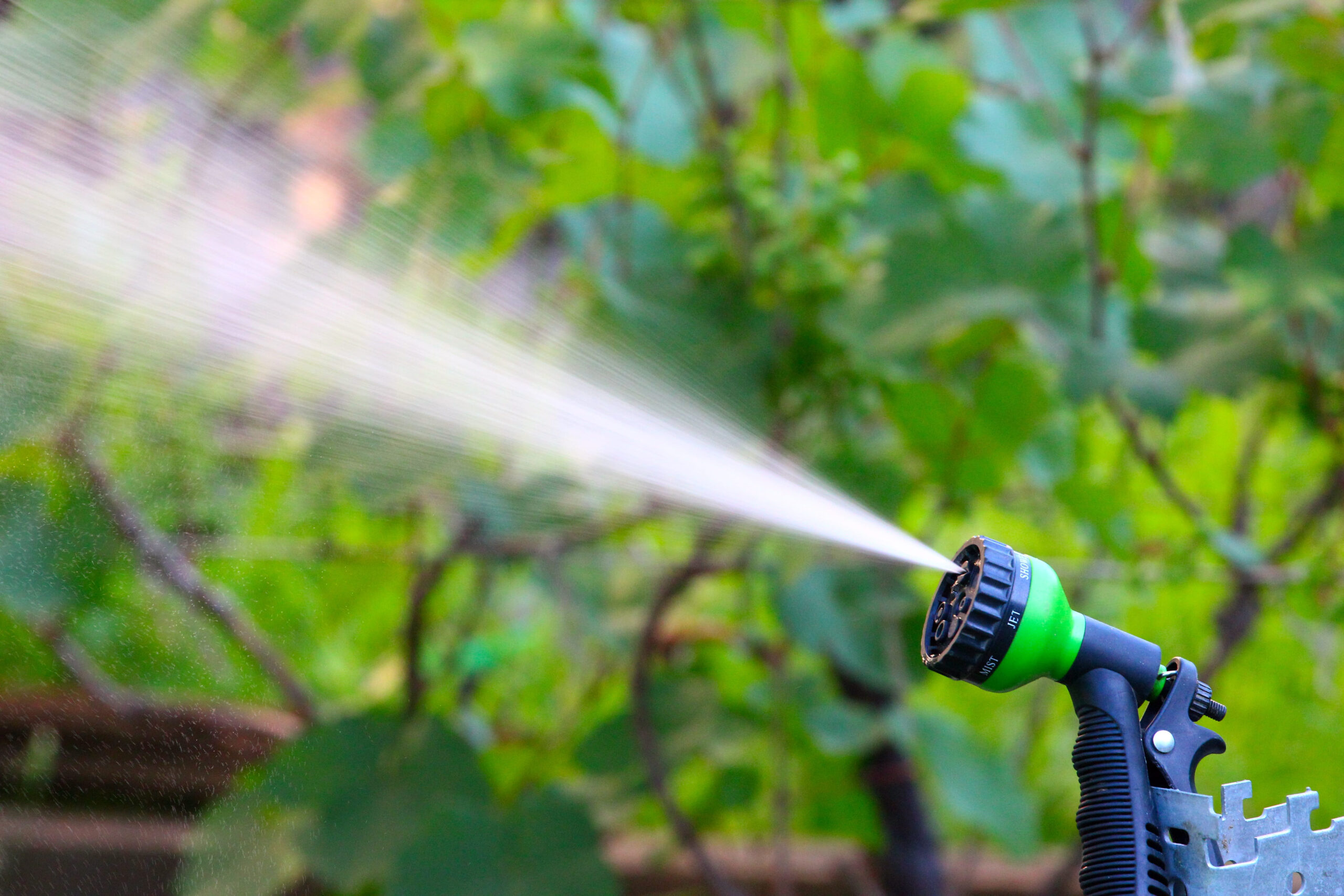
Watering your garden might seem like a simple task, but it’s surprisingly easy to go overboard, leading to wasted water and stressed plants. If you’re overwatering, you’re not only pushing up your water bills, but you’re also creating an environment where plants can’t thrive. Over time, this overuse can drown roots and invite pests.
The Fix: Implement a more efficient watering system, like a drip irrigation system or soaker hoses. These methods target the roots and deliver just the right amount of water without waste. It’s eco-friendly, wallet-friendly, and your plants will thank you for it.
Neglecting Seasonal Maintenance
Your garden needs attention year-round, not just in the spring when everything is in bloom. Ignoring seasonal maintenance can quickly cause your outdoor space to spiral out of control. Plants grow out of shape, weeds take over, and pests set up camp.
The Fix: Dedicate a little time each week to pruning, deadheading, and weeding. Seasonal maintenance might seem like a chore, but staying on top of it ensures your garden remains healthy and vibrant, saving you time and money in the long run.
The Mistake of Overpaying for Materials
High-end landscaping materials can look stunning, but they often come with a jaw-dropping price tag. Fancy stone paths, imported gravel, or premium mulch might give your garden a quick facelift, but they’re not always necessary, and their costs add up quickly.
The Fix: Look for budget-friendly alternatives. Recycled materials like crushed concrete, mulch, or pea gravel can give your garden just as much charm without draining your budget. Plus, they’re often more eco-friendly and just as durable.
Choosing High-Maintenance, Non-Native Plants
Exotic plants are beautiful, but they come with hidden costs. They require more water, more fertilizer, and more attention. In some cases,they even attract pests and diseases. Instead of creating a thriving, low-maintenance garden, you’re setting yourself up for ongoing headaches.
The Fix: Choose native plants. They’re already adapted to your environment, meaning they’ll require less water, fewer chemicals, and less maintenance overall. They’ll thrive with minimal intervention, allowing you to enjoy your garden without constant upkeep.
Planting Without Considering Growth
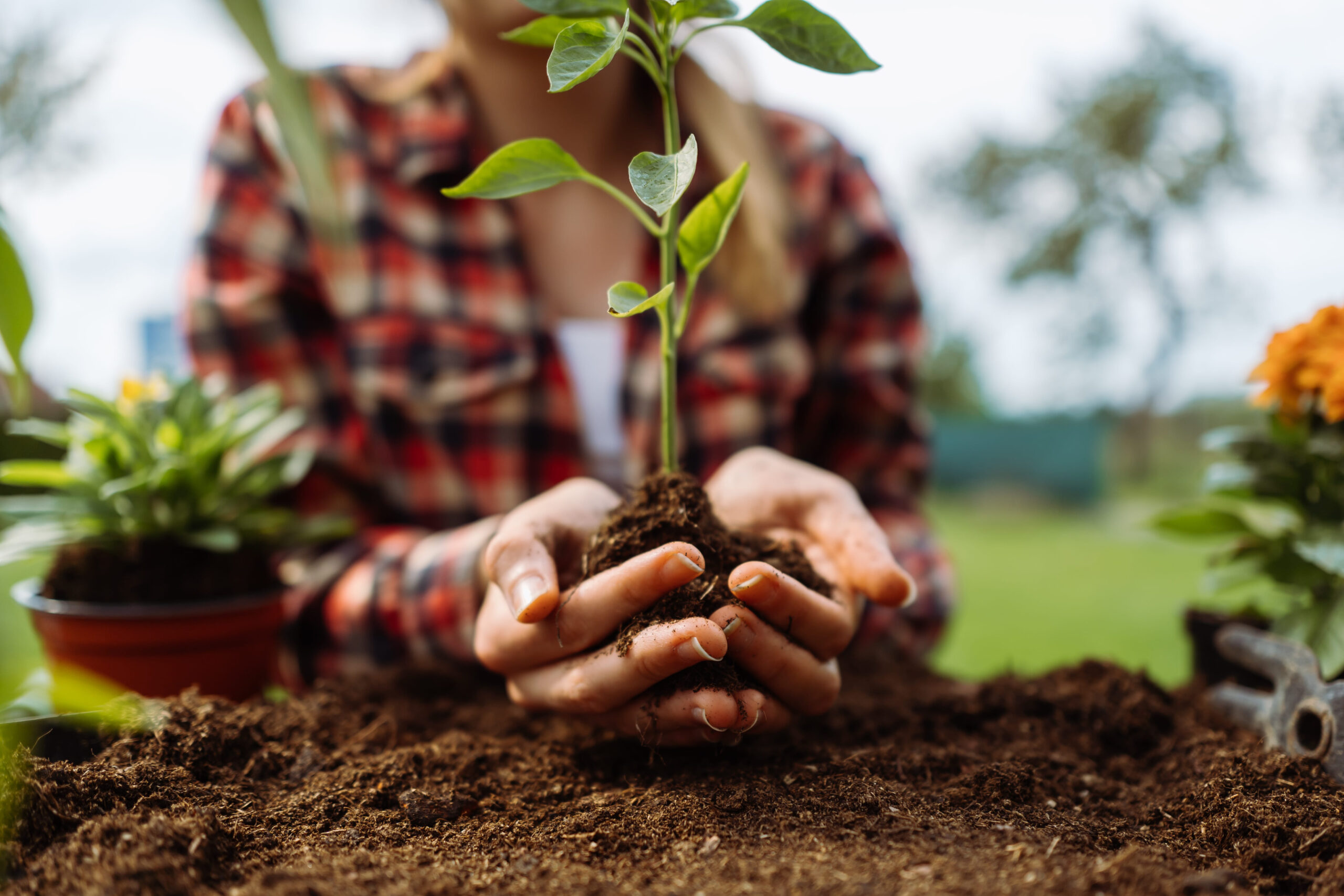
When you plant a tree or shrub, do you think about how big it will get? Many gardeners overlook the long-term growth of their plants, leading to overcrowded spaces, broken fences, or damaged structures from root growth. What starts as a cute little plant can quickly become a problem.
The Fix: Research the mature size of plants before adding them to your yard. It’s a small step that ensures you won’t end up spending money to move or remove overgrown plants down the road. Give your plants the space they need to grow properly.
Skimping on Soil Quality
Soil is the foundation of your garden. If it’s poor, nothing will grow well, no matter how much you water or fertilize. Low-quality soil leads to weak plants, slow growth, and a garden that just doesn’t live up to expectations.
The Fix: Improve your soil by adding compost and organic matter. Healthy soil creates a healthy garden, reducing the need for expensive fertilizers and chemicals. It’s an investment that pays off with lush, thriving plants.
Overusing Annuals
While annuals can give your garden an instant burst of color, they only last one season. If you’re buying new plants every year, you’re racking up costs without any lasting benefits. The initial beauty quickly fades when it’s time to replace them.
The Fix: Invest in perennials. These plants come back year after year, giving you the same vibrant colors without the yearly cost of replanting. Plus, perennials tend to be heartier and more sustainable.
Failing to Plan Your Layout
It’s easy to get caught up in the excitement of planting and end up cramming too many plants into a small space. However, overcrowding plants causes competition for nutrients, sunlight, and water, leading to unhealthy growth and a cluttered garden.
The Fix: Take time to plan your garden layout. Make sure your plants have the space they need to thrive. Proper spacing and planning now will save you from having to move or thin out plants later on.
Hiring Professionals for Simple Tasks
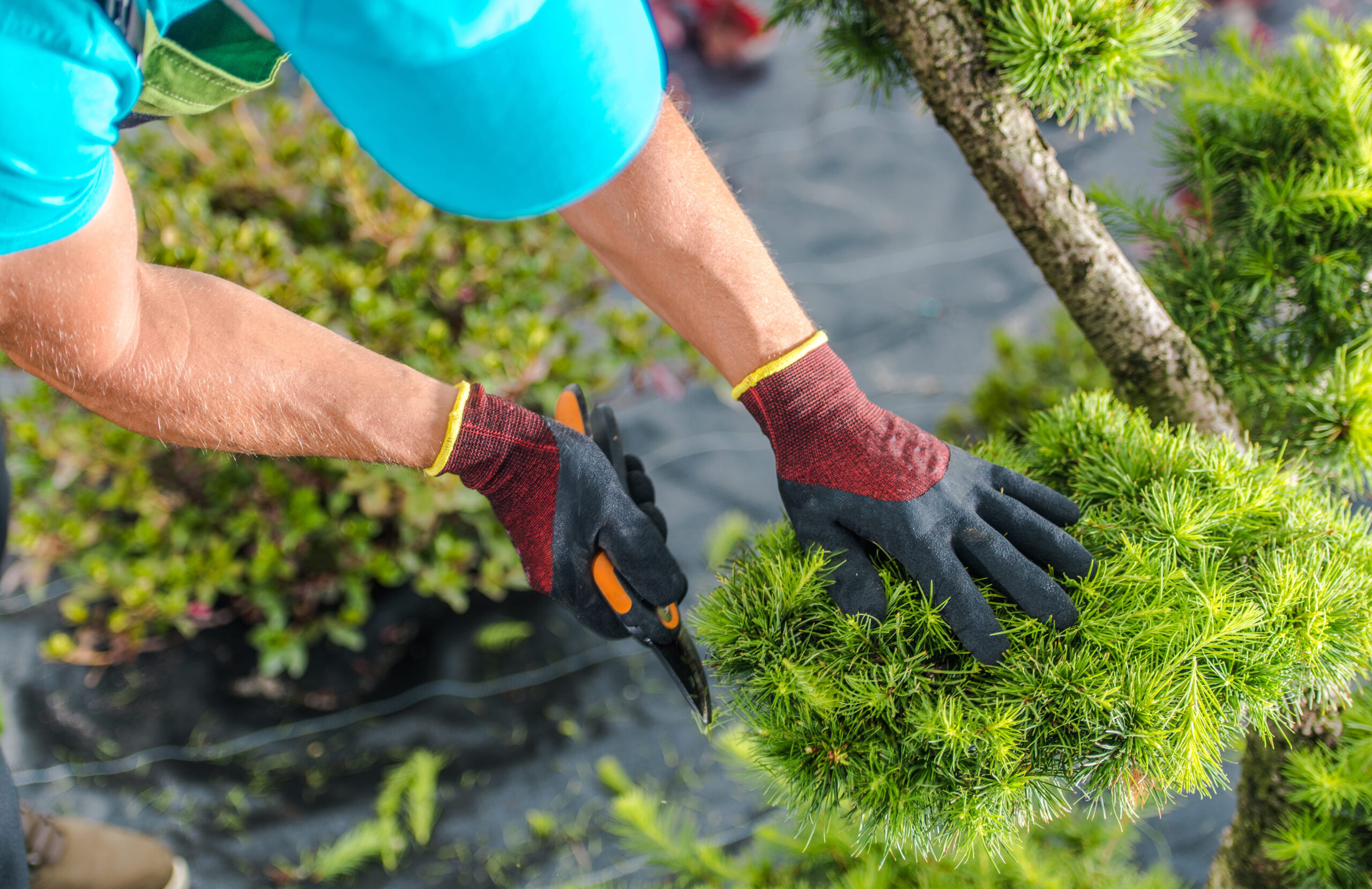
Landscaping professionals can do wonders, but many simple tasks like planting, mulching, or weeding don’t require an expert. Yet, homeowners often spend big bucks on services they could easily tackle themselves.
The Fix: Embrace DIY landscaping. It’s more fun than you think, and it gives you a chance to personalize your space. From creating garden beds to installing pathways, there are plenty of manageable tasks you can do yourself with a little guidance from online tutorials.
Buying Expensive, Fancy Containers
It’s tempting to splash out on expensive designer pots for your container plants. After all, a beautiful pot should match the beauty of the plant, right? But here’s the problem: you’re paying a premium for something that’s largely decorative.
The Fix: Repurpose items you already have at home. Old buckets, wooden crates, or even an unused pair of boots can serve as quirky, budget-friendly containers. Get creative and save yourself some money without compromising on style.
Not Using Mulch Enough
Mulch is one of the most affordable ways to improve your garden. It helps retain moisture, prevents weeds, and adds a polished look. But many gardeners skimp on it, missing out on its many benefits.
The Fix: Add a thick layer of mulch around your plants. It will keep the soil healthy, reduce the need for watering, and suppress weeds. Mulch is an inexpensive, simple solution that works wonders for your garden’s appearance and overall health.
Ignoring Sun and Shade Requirements
It’s easy to assume that all plants can thrive in any location, but planting the wrong plant in the wrong spot is a common mistake. Sun-loving plants in the shade won’t thrive, and shade-loving plants in the sun will wither away.
The Fix: Assess the sunlight patterns in your garden before planting. Choose plants that match the light conditions of each area of your yard, and you’ll set your plants up for success.
Choosing the Wrong Grass for Your Lawn

Not all grass types are created equal. Many homeowners don’t consider the climate, water needs, or maintenance requirements when selecting grass for their lawns, leading to high water bills and constant lawn care.
The Fix: Select drought-tolerant, climate-appropriate grass varieties. These grasses will require less water and maintenance, saving you both time and money while keeping your lawn green and healthy.
Conclusion
It’s time to stop throwing money away on landscaping mistakes. These seemingly small errors are costing you far more than you realize. By being mindful of your choices and making simple adjustments, you can create a beautiful garden without breaking the bank.
The key is to plan ahead, choose wisely, and embrace DIY where you can. Ready to make your garden thrive? Start today and see how much you can save.