Have you ever believed something about your body, only to find out it wasn’t true? Health myths are like rumors—they spread quickly, linger, and often cause harm. While some are silly, others influence how people care for themselves and their families.
Here, we bust ten persistent health myths and reveal the clearer science behind them.
You Can ‘Sweat Out’ Toxins When You Exercise

Many believe heavy sweating cleanses toxins, but that’s not how bodies work. Sweat’s main purpose is cooling, while organs like the liver and kidneys handle detoxification.
Thinking that sweating purges toxins can lead to neglecting hydration and healthy habits. This myth is dangerous; proper detoxification requires balanced nutrition and healthy organs.
Late‑Night Carbs Automatically Lead to Weight Gain
The idea that eating carbohydrates after dark makes you fat is one of the most common diet myths, yet the time of day doesn’t change your metabolism.
Calories don’t wear a watch; your body processes them based on total daily intake and activity, not the hour you consume them.
Fearing carbs at night may lead to unnecessary food restriction and a distorted relationship with eating. This myth can become dangerous when it causes chronic dieting, poor sleep, and unhealthy food avoidance.
Cracking Your Knuckles Causes Arthritis
For generations, people have warned that knuckle cracking leads to arthritis, but research shows no consistent link between the sound‑making habit and joint disease. The popping noise is caused by gas bubbles forming and collapsing in fluid, not bones grinding together.
While chronic, forceful cracking might irritate soft tissues, it doesn’t inherently lead to long‑term joint breakdown. Clinging to this myth distracts from real risk factors for arthritis, such as age, genetics, and lifestyle, which are far more influential.
Everyone Needs Eight Glasses of Water a Day
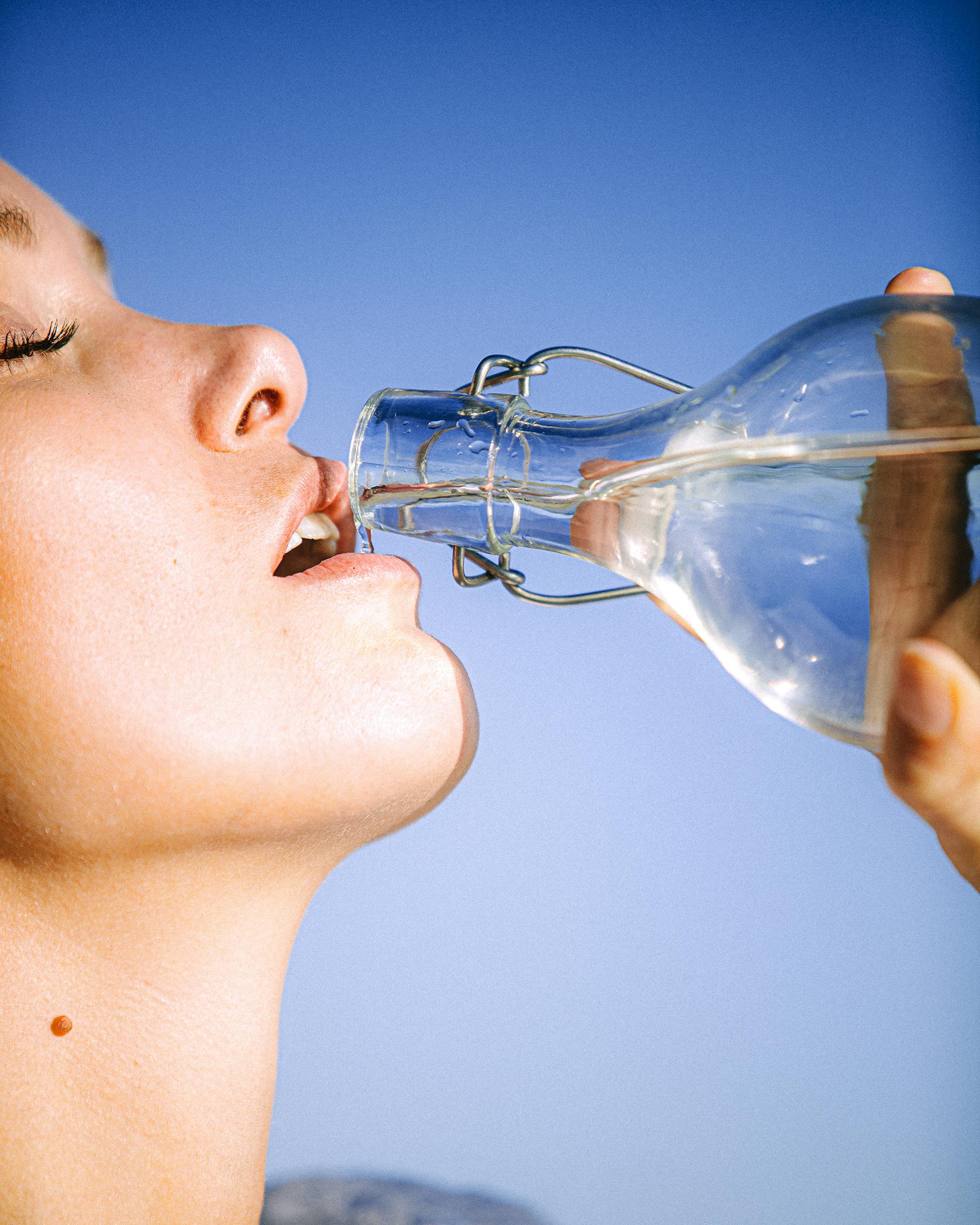
The “eight glasses” rule has been repeated so often that many people think it’s official science. In reality, hydration needs vary based on climate, body size, activity, and diet. For example, some people meet their hydration goals through foods or beverages without ever counting glasses.
Drinking water is essential, but forcing an arbitrary quota can become dangerous if it leads to overhydration and electrolyte imbalance. A smarter approach is to listen to your body’s natural thirst cues and adjust intake accordingly.
Cold weather itself makes you catch a cold.
There’s an old belief that stepping outside with wet hair in chilly weather will give you a cold, but viruses are the real culprits. Cold temperatures don’t create viruses, and being cold alone doesn’t lower your immunity enough to cause infection.
People often get sick in winter because they’re indoors more and in closer contact with others who are contagious. Blaming the cold can be dangerous if it downplays the importance of hygiene and of avoiding exposure to sick individuals.
If Exercise Isn’t Painful, It’s Worthless
The saying “no pain, no gain” has led many to believe that only workouts that hurt are effective, yet pain is often a warning sign of injury. Pushing through sharp or persistent pain can lead to tissue damage and longer recovery times.
Exercise should challenge you, but it shouldn’t break you. Taking this myth seriously can be dangerous because it encourages a harmful mindset toward physical activity and well-being.
Eggs Are Bad for Your Heart Because of Cholesterol

Eggs have long been unfairly blamed for raising cholesterol and harming heart health, but modern research shows that dietary cholesterol has little impact on blood cholesterol levels for most people.
Eggs are nutrient‑dense, offering high‑quality protein, vitamins, and fatty acids that support overall health. Demonizing eggs oversimplifies the complex way our bodies process fats and cholesterol. This myth can be dangerous because it leads people to waste nutritious food based on outdated information.
Detox Diets Actually Remove Toxins
Detox diets promise to cleanse your system of built‑up toxins with juices, teas, or extreme fasting, yet there’s no solid scientific evidence supporting these claims. Your liver and kidneys are designed to continuously filter out harmful substances; no special regimen is required for them to do their job.
Some detox plans can be so extreme that they weaken your immune system or deprive your body of essential nutrients. Believing in this myth can be dangerous if it delays proper medical care or encourages unhealthy eating patterns.
Sweating More Means Burning More Calories
It’s easy to assume that a drenched T‑shirt equals a better workout, but sweat is your body’s cooling response, not a calorie-burning gauge. The number of calories burned depends on the duration and intensity of your activity, not how much you perspire.
Hotter environments make you sweatmore, even at lower exertion levels, which can trick you into overestimating your effort. Relying on sweat as a metric of success can be dangerous because it encourages misleading self‑assessment and potential overexertion.
Fat‑Free Foods Are Always Healthy

‘Fat-free’ labels can seem healthy, but products often have added sugar, salt, or artificial ingredients.
Fats are crucial for brain function, hormone production, and nutrient absorption. Choosing foods just for this label ignores nutrition as a whole. Trusting fat-free claims without reading ingredients can hurt your diet.
Conclusion
Health myths can be tempting because they promise quick fixes or easy answers, but in reality, they can mislead us into making poor decisions for our bodies
It’s essential to rely on science and evidence, not popular beliefs or outdated advice. By questioning common myths and understanding the truth, we can make smarter choices for our health.
So next time you hear one of these myths, remember: your body deserves better than the dangerous shortcuts that are all too common in the world of wellness.