Arthritis has a way of turning ordinary moments into small battles. Getting out of bed, opening a jar, climbing stairs, or walking across a parking lot can suddenly feel harder than it should. The pain may come and go, but inflammation often works quietly in the background, making joints feel stiff, swollen, tender, and tired.
Food is not a magic cure for arthritis, and no single meal will erase joint pain overnight. Still, what you eat every day can either calm the body or keep inflammation simmering. Some foods are especially unhelpful because they may increase inflammation, contribute to weight gain, raise blood sugar, or make the body feel sluggish. If arthritis is already affecting your life, cutting back on these common foods can be a smart place to start.
Processed and red meats
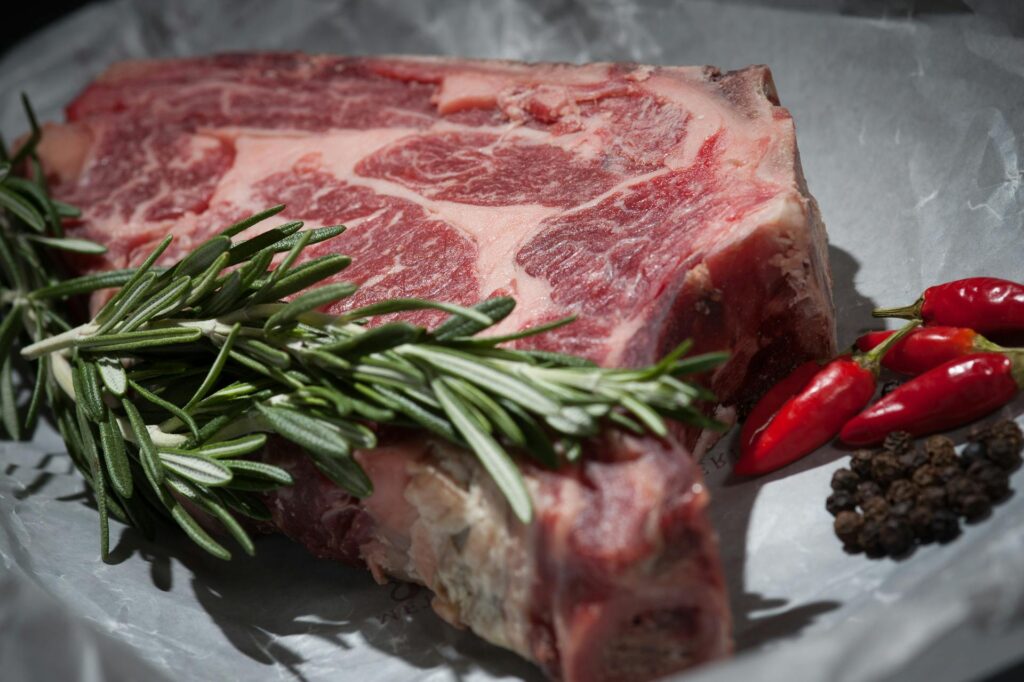
Processed meats are among the worst choices for people trying to manage arthritis symptoms. Bacon, sausages, hot dogs, pepperoni, salami, ham, and many deli meats are usually high in sodium, saturated fat, preservatives, and additives. These ingredients can make inflammation worse and may also place extra stress on the heart, blood vessels, and kidneys. For someone with arthritis, that matters because the body is already dealing with ongoing inflammation.
Red meat can also become a problem when it appears on the plate too often. Fatty cuts of beef, lamb, and pork can contain high levels of saturated fat, which may promote inflammation. A burger or steak once in a while may not cause disaster, but a regular pattern of heavy meat meals can make joint stiffness feel more stubborn. Many people also forget that red meat is often paired with other inflammatory foods, such as fries, white bread, sugary sauces, and processed cheese.
The better approach is not to panic, but to be strategic. Choose leaner proteins more often, such as fish, skinless chicken, turkey, beans, lentils, tofu, eggs, and low-fat Greek yogurt if you tolerate dairy well. Fatty fish such as salmon, sardines, trout, and mackerel are especially helpful choices because they contain omega-3 fatty acids, which are linked to anti-inflammatory benefits. When meals become lighter, cleaner, and less processed, the body usually carries less inflammatory baggage.
Sugary foods and drinks

Sugar may taste harmless, but it can be a quiet enemy for people with arthritis. Sodas, sweetened coffee drinks, candy, cakes, cookies, pastries, ice cream, and sugary cereals can spike blood sugar quickly. Those spikes may trigger inflammatory responses, leaving joints feeling increasingly irritated over time. Sugar can also increase cravings, drain energy, and make it harder to maintain a healthy weight.
The problem is that sugar does not only live in obvious desserts. It hides in flavored yogurt, bottled sauces, salad dressings, granola bars, fruit drinks, instant oatmeal packets, and many packaged snacks. A person may think they are eating reasonably well, yet still consume a large amount of added sugar throughout the day. For arthritis sufferers, this steady sugar drip can keep inflammation active even when meals look normal on the surface.
Cutting back on sugar does not mean giving up pleasure. It means choosing sweetness that works with the body instead of against it. Fresh berries, apples, oranges, bananas, cinnamon, unsweetened yogurt, nuts, and small portions of dark chocolate can satisfy cravings without sending blood sugar on a roller coaster. Water, herbal tea, or sparkling water with lemon can also replace sugary drinks without making life feel dull. The goal is not punishment. The goal is fewer flare-ups, steadier energy, and joints that feel less angry.
Fried foods

Fried foods are comfort food with a catch. French fries, fried chicken, onion rings, doughnuts, fried fish, mozzarella sticks, and many fast-food meals may taste satisfying, but they often contain unhealthy fats, excess salt, and compounds formed during high-heat cooking. These can contribute to oxidative stress and inflammation, which is exactly what people with arthritis are trying to reduce.
Fried foods can also make arthritis harder to manage by encouraging weight gain. Extra body weight places more pressure on the knees, hips, ankles, feet, and lower back. Even a few extra pounds can increase strain on already painful joints, especially during walking, standing, climbing stairs, and other activities. That is why diet matters so much. It is not only about inflammation inside the body; it is also about the physical load the joints must carry every day.
The good news is that flavor does not have to disappear. Roasting, baking, grilling, steaming, and air-frying can create satisfying meals without drowning food in oil. Crispy potatoes can be roasted with a small amount of olive oil. Chicken can be baked with herbs, garlic, paprika, and lemon. Fish can be grilled instead of battered. These swaps may seem simple, but they can make meals feel lighter while still giving you the comfort you want.
Refined carbohydrates
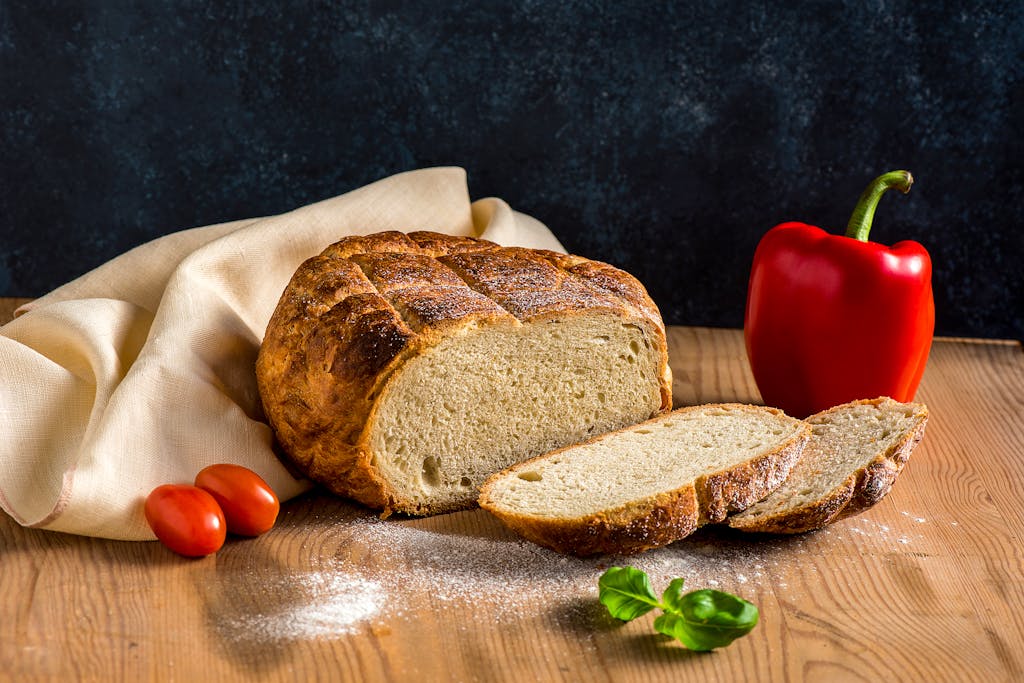
Refined carbohydrates can be a major problem because they behave a lot like sugar in the body. White bread, white rice, pasta made from refined flour, crackers, pastries, biscuits, sugary cereals, and many packaged snacks break down quickly and can cause blood sugar spikes. These spikes may encourage inflammation and leave you feeling hungry again soon after eating. For people with arthritis, that cycle can make symptoms harder to control.
Another issue is that refined carbs often push healthier foods off the plate. A breakfast built around white toast, sweet cereal, or pastries may lack the fiber, protein, and healthy fats that help the body stay steady. A lunch built around white bread and chips may taste filling at first, but it can lead to an energy crash later. When this pattern repeats, the body misses out on nutrients that support joint, bone, muscle, and immune health.
Whole grains are a better choice because they digest more slowly and contain more fiber. Oats, brown rice, quinoa, barley, whole-grain bread, whole-wheat pasta, and high-fiber cereals can help stabilize energy and support better digestion. Pairing carbs with protein and healthy fats also helps. For example, oatmeal with nuts and berries is much more joint-friendly than a sugary pastry. A grain bowl with vegetables, beans, and olive oil is more supportive than plain white rice with processed meat.
Full-fat dairy and saturated-fat-heavy foods

Full-fat dairy can be tricky because people respond to it differently. Some people with arthritis tolerate dairy without any noticeable problem, especially plain yogurt or milk. Others feel worse after eating rich cheeses, butter, cream, ice cream, or heavy dairy-based meals. The concern is often saturated fat, which can contribute to inflammation when eaten too frequently.
Saturated fat is not limited to dairy. It is also found in fatty meats, butter-heavy baked goods, creamy sauces, fast food, processed snacks, and many desserts. When these foods become regular habits, they can contribute to inflammation, weight gain, and increased heart disease risk. This matters because some forms of arthritis are already associated with a higher risk of other health problems, so food choices should support the whole body, not just the joints.
The smartest move is to observe your own response. If full-fat dairy makes your joints feel heavier, stiffer, or more painful, reduce it and see how your body reacts. You can try lower-fat dairy, unsweetened yogurt, fortified plant-based milk, leafy greens, sardines, tofu, almonds, and other calcium-rich foods. The point is not to fear every creamy food forever. The point is to stop letting rich, heavy foods dominate the plate.
Ultra-processed snacks

Ultra-processed snacks deserve special attention because they are everywhere. Chips, packaged cookies, cheese puffs, snack cakes, instant noodles, frozen snack foods, and many ready-to-eat products are designed to be easy to eat, salty, sweet, and hard to stop eating. They often contain refined flour, added sugar, unhealthy fats, excess sodium, artificial flavors, and preservatives.
For arthritis, this combination can be a problem. Too much sodium may contribute to fluid retention and can make the body feel puffy or uncomfortable. Refined ingredients can feed inflammation. Low fiber intake can harm gut health, which is closely linked to immune function. A snack that looks small can still carry a heavy inflammatory load.
Better snacks do not have to be complicated. Nuts, fruit, boiled eggs, hummus with vegetables, plain yogurt, roasted chickpeas, cottage cheese, avocado toast on whole-grain bread, or a small handful of seeds can keep hunger under control without pushing the body toward inflammation. If you want crunch, choose lightly salted nuts or roasted vegetables instead of chips most days.
Alcohol

Alcohol can be another hidden trigger for arthritis symptoms. Beer, wine, cocktails, and spirits may increase inflammation, interfere with sleep, add extra calories, and interact with certain medications. For people with gout, alcohol can be especially risky because it may raise uric acid levels and trigger painful attacks.
Alcohol can also weaken healthy routines. After drinking, people may sleep poorly, skip exercise, crave salty foods, or forget to hydrate. Those habits can make arthritis symptoms feel worse the next day. Even if alcohol is not the main cause of pain, it can make the body less prepared to recover.
This does not mean every person with arthritis must avoid alcohol completely, but moderation matters. Anyone taking arthritis medication should ask a healthcare professional about safe limits because some drugs do not mix well with alcohol. If your joints often feel worse after drinking, your body may already be giving you the answer.
Conclusion
Arthritis is difficult enough without food quietly adding fuel to the fire. Processed meats, sugary foods, fried meals, refined carbohydrates, full-fat saturated-fat-heavy foods, ultra-processed snacks, and alcohol can all make inflammation harder to manage. They may not cause instant pain every time, but daily habits have a way of building up inside the body.
The better path is simple, not perfect. Build more meals around vegetables, fruits, whole grains, fish, beans, nuts, seeds, olive oil, and lean proteins. Drink more water, reduce added sugar, and choose foods that leave you feeling lighter instead of sluggish. Arthritis may still be part of your life, but your plate can help you fight back with more control, more comfort, and more confidence.