Food history is full of twists, turns, and cultural exchanges that have led to some of the most popular dishes we enjoy today. While some foods are named after specific places, their true origins might surprise you.
Here are 10 foods that aren’t from where you think, highlighting the rich and unexpected paths these dishes and ingredients have taken across the globe.
German Chocolate Cake
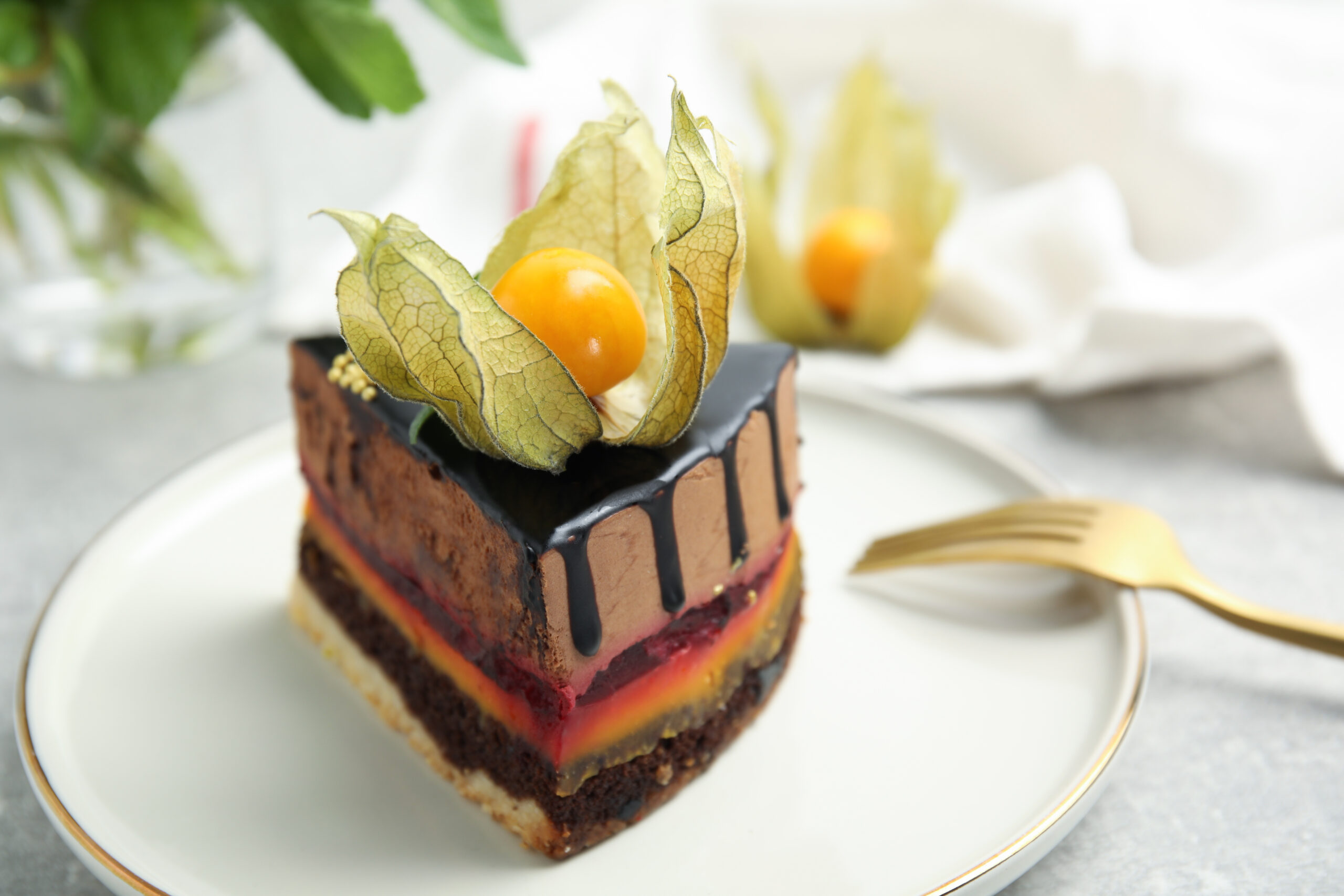
You might think German Chocolate Cake hails from the heart of Germany, but in reality, its origins are far from the land of beer and pretzels. The cake is named after Samuel German, who created a special type of chocolate bar for baking.
In 1852, this chocolate bar was introduced as Baker’s German Sweet Chocolate. However, the cake itself, a beloved dessert, was popularized in the U.S. in the 1950s after a Dallas newspaper published a recipe for it. It quickly gained popularity, leading to the misnomer of “German Chocolate Cake.”
Baked Alaska
Baked Alaska, despite its name evoking the frozen tundra of the 49th state, was actually invented in New York City. The dessert’s origins date back to 1868, the same year the United States purchased Alaska from Russia.
Chef Charles Ranhofer of Delmonico’s restaurant in Manhattan created it to commemorate the event. The dessert, featuring ice cream encased in a warm meringue shell, was a luxurious treat during a time when ice cream production was labor-intensive and far from ubiquitous.
French Dip
Although it sounds like a quintessential French dish, the French dip sandwich was invented in Los Angeles, not Paris. The creation of this iconic sandwich dates back to 1918 at Philippe’s restaurant.
The story goes that Philippe Mathieu, the restaurant’s owner, accidentally dropped a sandwich roll into hot oil while making a sandwich for a police officer. The officer loved it and returned the next day with friends to order “dipped” sandwiches.
Another eatery, Cole’s Pacific Electric Buffet, also claims credit, though both stories highlight this popular snack’s Californian roots.
Coney Dog
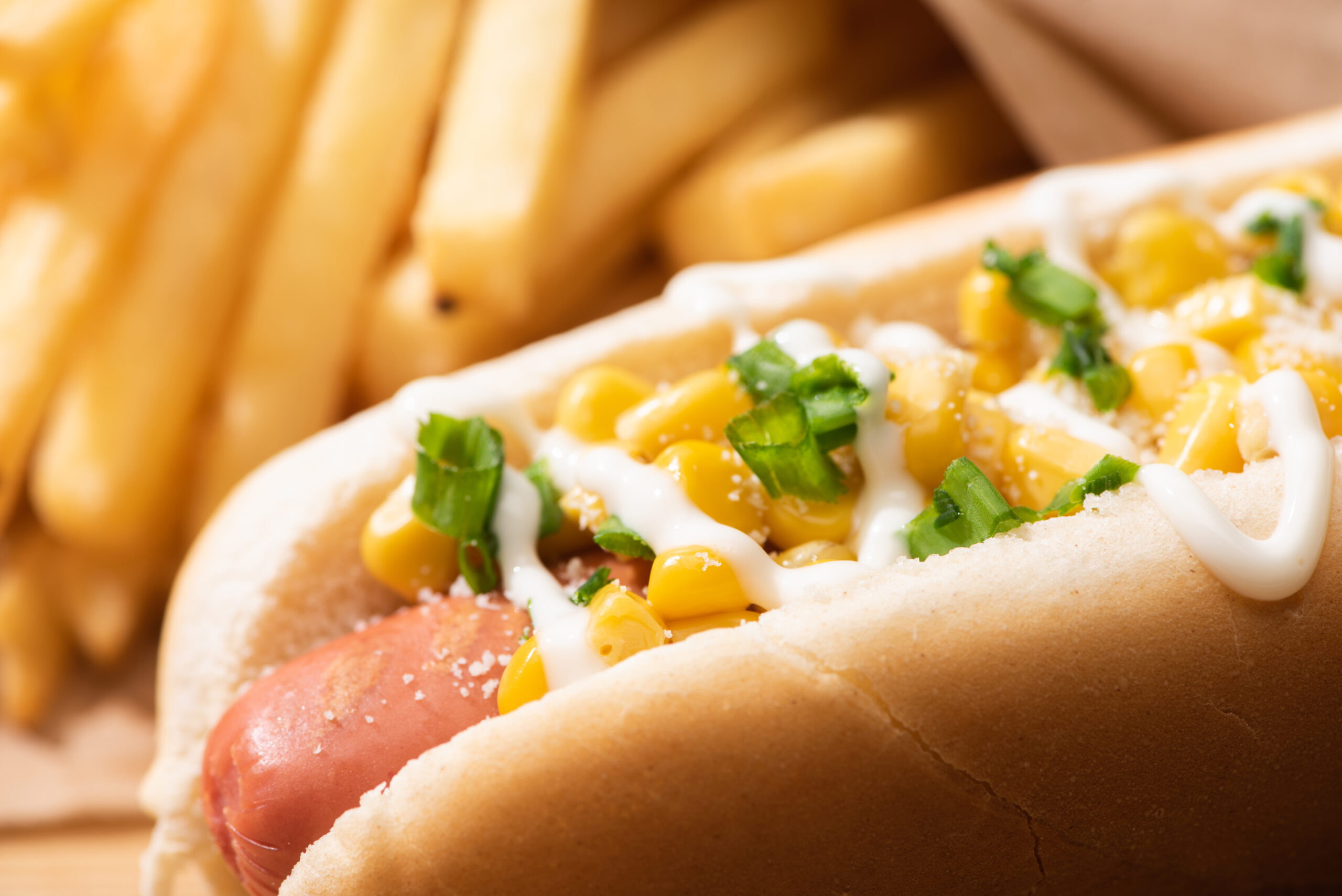
While the name “Coney Island” conjures images of New York City, the Coney dog actually originated in Michigan.
The hot dog topped with chili, mustard, and onions became an iconic American snack, but its creation is disputed by multiple Michigan-based restaurants. Despite the name suggesting a link to New York, Michigan is the true birthplace of this beloved treat.
Curry Powder
When we think of curry, we often associate it with Indian cuisine. However, the curry powder we are familiar with today is not traditional Indian at all. The British invented it in the 18th century, attempting to replicate the flavors of India’s diverse masalas.
Indians, in contrast, use freshly ground spices tailored to each dish, not pre-made powders. The British, keen on preserving and recreating the complex flavors they encountered in India, created curry powder, which is a mixture of various spices like turmeric, coriander, and cumin.
Maraschino Cherries
Despite their Italian-sounding name, Maraschino cherries actually hail from Croatia. The name “Maraschino” originally referred to a liqueur made from Marasca cherries, which are native to Croatia.
When this method of preserving cherries spread to the U.S. in the 1800s, American manufacturers began using a different variety of cherries, most commonly Queen Anne cherries.
Today’s Maraschino cherries are produced using a more modern, alcohol-free method: they are brined in a calcium solution and then dyed with artificial colors.
Ketchup

The ketchup we know today is far removed from its ancient origins. Ketchup originally came from a fermented fish sauce called “ke-tchup” from southern China. As early as the 17th century, British traders encountered the sauce, which was made from fermented anchovies.
Over time, the British altered it, creating the sweet tomato-based version that we now associate with American cuisine. Its evolution was complete by the 19th century, and ketchup became a staple in American homes and restaurants.
Sauerkraut
Sauerkraut, a staple of German cuisine, has its true origins in China. The word “sauerkraut” itself comes from the German words for “sour” and “cabbage,” but the process of fermenting cabbage began long before in China, nearly 2,000 years ago.
It was consumed by workers building the Great Wall of China because it was cheap, nutritious, and easy to store. The Chinese fermented cabbage using rice wine, while the Germans adopted a similar technique, using salt to preserve cabbage and produce the sauerkraut we know today.
Bologna
Though bologna is often associated with Italy, its true origins are more complex. The name comes from Bologna, Italy, but what we call bologna today is a processed meat vastly different from its Italian counterpart, mortadella.
Mortadella, which originates from Bologna, is a high-quality sausage made with pork and flecks of pork fat. In contrast, bologna, the version commonly found in American sandwiches, is often made with lower-quality meats and is highly processed.
Mortadella has a much richer texture and flavor, incorporating pistachios and black pepper, while bologna is often bland and uniform.
Tempura
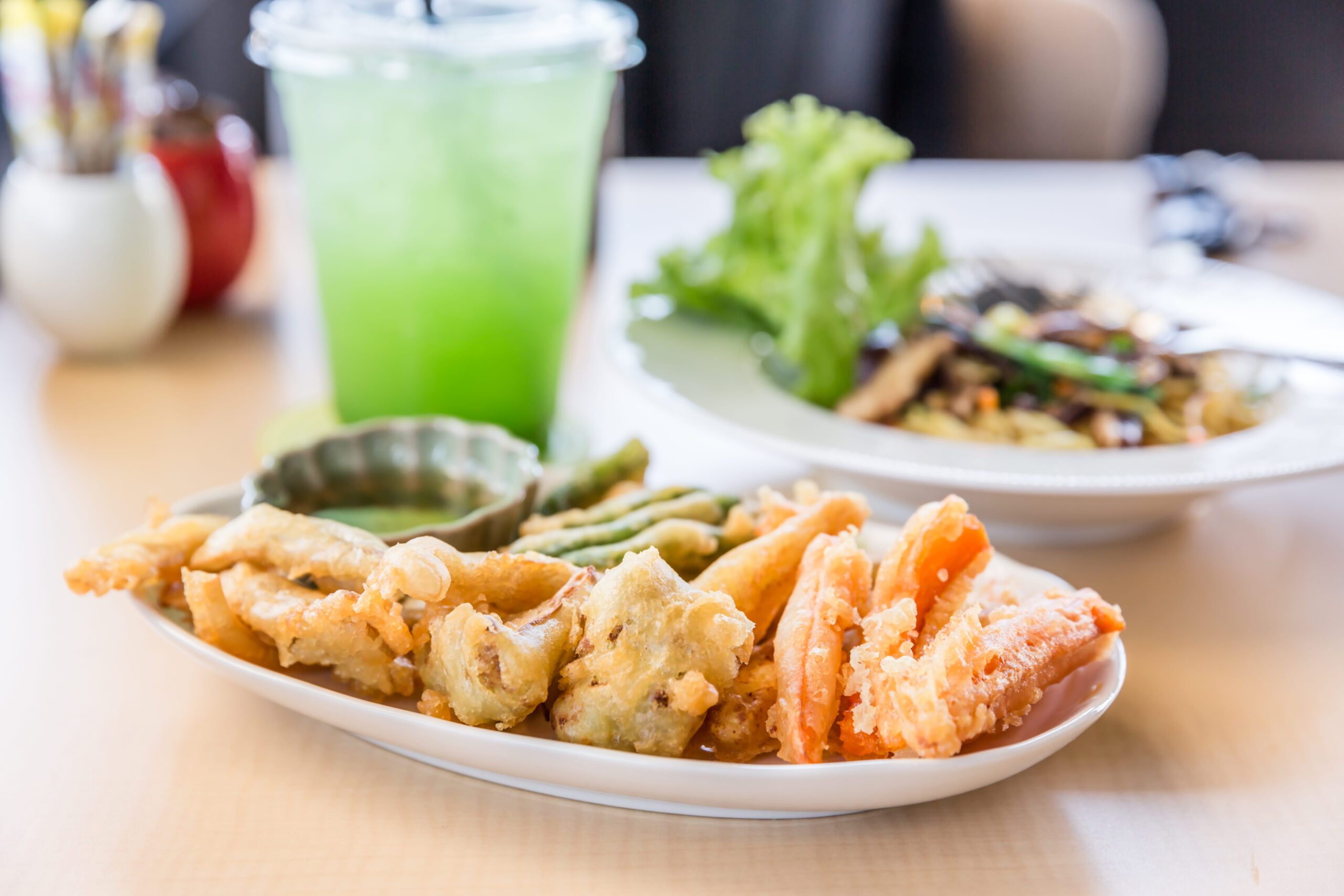
Tempura, the crispy fried dish that we associate with Japan, actually originated in Portugal. Portuguese missionaries and traders brought the technique of battering and frying fish to Japan during the 16th century.
The name “tempura” derives from the Portuguese word “temporas,” which refers to the practice of frying food during Lent. While tempura quickly became a staple in Japan and is now a hallmark of Japanese cuisine, its roots trace back to Portuguese influences.
Conclusion
The culinary world is filled with stories that defy expectations and challenge assumptions about where our favorite foods come from. As we’ve seen, many iconic dishes and ingredients have origins that cross borders, cultures, and even continents.
By uncovering these surprising histories, we gain a deeper appreciation for the global journey of food and the rich tapestry of influences that shape what we eat today.