Selling a home is not just about square footage, location, and a fresh coat of paint. Buyers walk through a property with a silent checklist in their heads, and sometimes the smallest details make them hesitate. A house can be beautiful, spacious, and full of character, yet still lose buyers because certain features feel expensive, outdated, inconvenient, or too personal.
The tricky part is that many sellers do not realize these features are working against them. What feels charming to one homeowner may feel like a future project to a buyer. In today’s cautious housing market, where people are already thinking about mortgage rates, repair costs, insurance, and moving expenses, anything that looks like extra work can become a deal breaker.
Scrolling down are 8 bad home features that scare buyers away:
Overly Personal Rooms Make It Hard for Buyers to Picture Themselves There

A bright purple bedroom, a sports-themed basement, or a dining room covered in bold wallpaper may reflect your personality beautifully, but buyers are usually not shopping for your personality. They are trying to imagine their own furniture, routines, family photos, and future memories inside the space. When a room feels too specific, it interrupts that mental picture and makes the home feel less flexible.
This does not mean every house has to look cold or boring. A warm, stylish home can still feel inviting. The goal is to remove anything that screams “this belongs to someone else.” Neutral walls, simple décor, clean surfaces, and soft textures help buyers focus on the home itself instead of the seller’s taste.
High-Maintenance Luxury Can Feel Like a Future Bill

Luxury features can impress buyers at first glance, but they can also make them nervous. Marble countertops, specialty flooring, complicated appliances, and custom fixtures may look expensive because they are expensive to maintain. A buyer may admire the finish, then immediately wonder how much it costs to clean, repair, replace, or insure.
Most buyers want a home that feels beautiful and livable. If a feature looks fragile, fussy, or overly customized, it can turn from a selling point into a warning sign. Timeless finishes often perform better than flashy upgrades because they feel easier to live with. A clean kitchen with durable counters, good lighting, and practical storage can be more appealing than a showpiece kitchen that feels like it belongs in a museum.
Visible Wear and Tear Makes Buyers Fear Hidden Problems
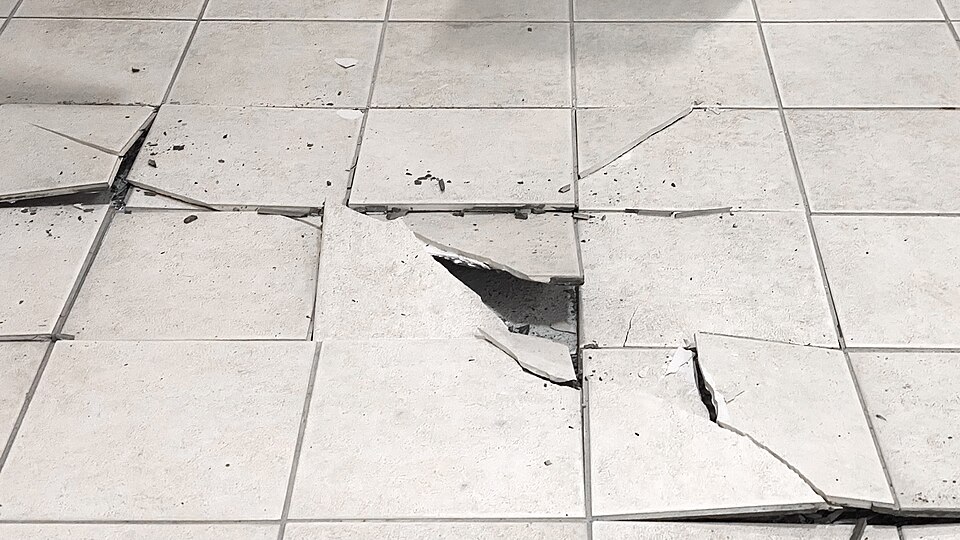
Scuffed floors, peeling paint, cracked tiles, stained carpet, loose handles, and tired cabinets may seem minor to a seller who has lived with them for years. To a buyer, those small flaws can suggest a larger pattern of neglect. Once buyers notice visible damage, they often start wondering what else has been ignored behind the walls, under the sink, or on the roof.
This is why small repairs matter so much before listing. A home does not need to be perfect, but it should feel cared for. Touching up paint, replacing broken hardware, cleaning grout, repairing damaged trim, and polishing worn areas can change the entire mood of a showing. Buyers feel more confident when a home looks maintained, and confidence often leads to stronger offers.
Strange Layouts Can Make a Home Feel Inconvenient
A home can have enough rooms and still feel awkward if the layout does not make sense. Buyers notice when they have to walk through a bedroom to reach another bedroom, when the kitchen feels cut off from the living area, or when a bathroom opens directly into a public space. These layout problems may not be easy to fix, which makes buyers more cautious.
Flow matters because people imagine daily life during a tour. They picture carrying groceries, hosting guests, getting kids ready, working from home, or relaxing after a long day. If the layout feels confusing or inconvenient, the home starts to feel like a problem to solve. Sellers cannot always change the floor plan, but they can stage each room clearly so buyers understand how the space can work.
Above-Ground Pools Can Look Like More Trouble Than Fun
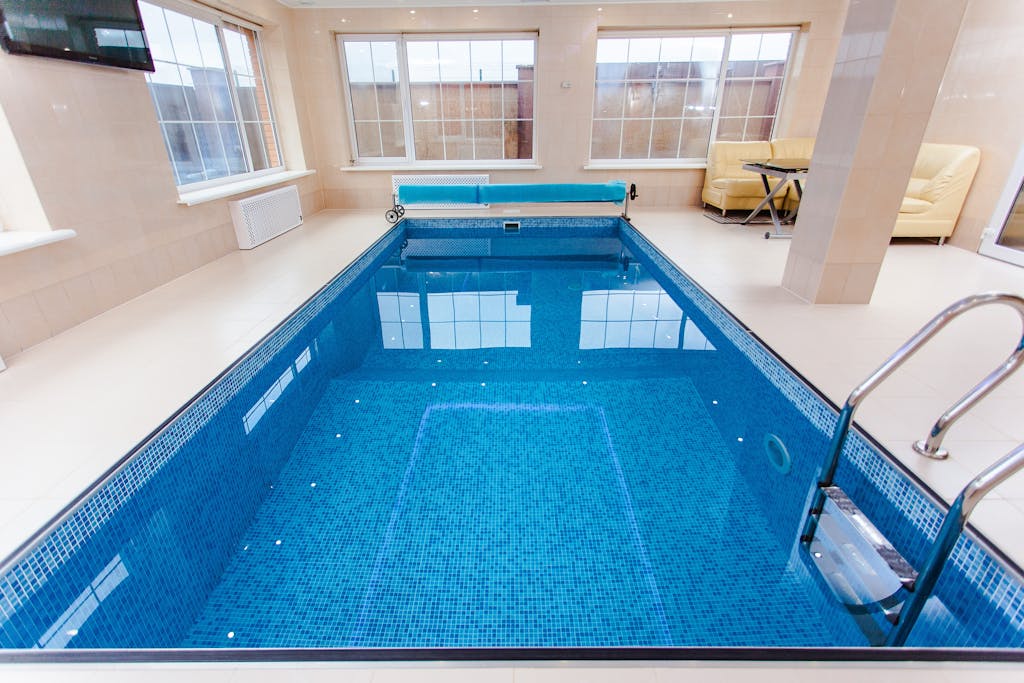
A pool may sound like a dream, especially during summer, but not every buyer wants one. Above-ground pools often divide opinion because some buyers see them as temporary, unattractive, or expensive to maintain. Others think about safety, cleaning, repairs, insurance, and the loss of yard space.
For families who want a simple backyard, an above-ground pool can feel like an obstacle instead of a bonus. If the pool looks worn, poorly placed, or neglected, it can hurt the home’s outdoor appeal. Sellers should make sure the pool area is clean, safe, and tidy. If the pool is no longer in good condition, removing it before listing may make the yard feel bigger and more useful.
Chain-Link Fences Can Drag Down Curb Appeal

A chain-link fence may be practical, but it rarely feels warm or attractive. Buyers often judge a home before they even step inside, and fencing plays a big role in that first impression. Chain-link can make a property feel less polished, especially when neighboring homes have wood, vinyl, or decorative fencing.
Curb appeal is emotional. Buyers want to feel welcomed, not fenced into a storage yard. If replacing the fence is too expensive, sellers can soften the look with neat landscaping, climbing plants, privacy screens, or fresh cleanup around the perimeter. Even small improvements can make the home’s exterior feel more intentional.
Overgrown Landscaping Makes the Property Feel Neglected
Wild landscaping can make a home look older, darker, and harder to maintain. Buyers may worry when bushes cover windows, branches touch the roof, weeds fill the garden beds, or walkways disappear under overgrowth. Instead of seeing charm, they may see hours of yard work and possible pest problems.
Good landscaping does not have to be elaborate. It simply needs to look controlled. Trimmed shrubs, mowed grass, clear paths, fresh mulch, and visible windows can make a home feel brighter and more cared for. Outdoor spaces should invite buyers closer, not make them wonder what is hiding behind the greenery.
Strong Smells Make Buyers Suspicious

Scent is powerful during a home tour. A clean, fresh-smelling home can feel comforting, but a heavy fragrance can have the opposite effect. Strong candles, plug-ins, sprays, or incense may make buyers wonder if the seller is trying to hide pet odors, smoke, mildew, or moisture problems.
The safest scent is usually simple cleanliness. Open windows when possible, clean carpets, empty trash, wash pet bedding, and avoid overpowering air fresheners before showings. Buyers trust a home more when it smells naturally fresh. A strong artificial scent may seem harmless, but it can quietly plant doubt in a buyer’s mind.
Conclusion
The features that scare off buyers are not always dramatic. Sometimes they are small signals that make a home feel too personal, too expensive, too awkward, or too much work. Buyers are already making one of the biggest financial decisions of their lives, so anything that creates doubt can slow them down.
The good news is that many of these issues can be softened before listing. A cleaner look, simpler décor, better maintenance, tidy landscaping, and a fresher first impression can help buyers focus on the home’s best features. The goal is not to erase every bit of character. The goal is to make the home feel easy to love, easy to imagine, and easy to say yes to.