Keeping your car clean isn’t just about looks; it’s about preserving value, protecting paintwork, and preventing long‑term wear from grime, road salt, and environmental contaminants. Yet many drivers unknowingly damage their vehicle while trying to clean it, fall for car wash myths, or make choices that cost more in repairs and repainting than the wash itself.
Here are the key car wash mistakes you absolutely should avoid, explained with precision, practical details, and insider insight so your next clean is actually safe and effective.
Using Dish Soap to Wash Your Car
Dish soap is designed to cut grease on cookware, not protect automotive paint. It strips protective wax and dries out rubber seals, leaving your finish unprotected and vulnerable to oxidation and fading.
Better: Use a dedicated automotive shampoo with lubricants that lift dirt without stripping wax or sealants.
Washing in Direct Sunlight
Hot surfaces cause soap and water to dry too quickly, which leaves spots, streaks, and residue. Scrubbing while suds are baking on your paintwork increases the chance of swirl marks and etched mineral spots.
Better: Wash your car in the shade or at cooler times of day, early morning or late afternoon.
Skipping the Pre‑Rinse Step
Jumping straight into soaping without rinsing the surface first traps abrasive dirt between your mitt and the paint. Those particles scratch and grind against the finish, leaving fine swirl marks and dull patches.
Always thoroughly pre-rinse to remove loose debris before touching the paint.
Using the Wrong Cloth or Sponge
Old towels, random sponges, or household rags are too rough or too flimsy for automotive paint. They can push grit around rather than lift it, which can cause irreversible scratching.
Use a plush microfiber mitt and microfiber drying towels to trap dirt without abrading the surface.
Not Cleaning the Wheels First

Wheels are the dirtiest part of your car, brake dust, tar, and grime, and should be tackled before the body. If you wash the body first, dirty rinse water from the wheels can splash back onto freshly cleaned surfaces.
Better: Start with wheels and tires, rinse thoroughly, then move to the body panels.
Skipping Paint Protection
Washing without regular wax, sealant, or ceramic protection leaves your paint exposed to UV rays, bird droppings, acid rain, and environmental fallout. Over time, this accelerates dullness and corrosion.
Better: Apply a high‑quality wax or sealant every 3–4 months. Ceramic coatings offer even longer‑lasting protection.
Using Household Glass Cleaners on Windows

Many household glass cleaners contain ammonia or similar chemicals that can damage tinted windows, rubber trim, or dashboard finishes once overspray hits interior surfaces.
Better: Use automotive glass cleaners that are ammonia‑free for streak‑free results without collateral damage.
Not Drying the Car Properly
Air‑drying sounds convenient, but as water evaporates, it leaves mineral deposits and spots, especially if your water supply is hard.
Better: Dry immediately with a clean microfiber towel or a soft, dedicated car‑drying cloth. Gently blot rather than drag to avoid micro‑scratches.
Forgetting the Door Jambs and Trunk Seals
These areas collect dirt, grease, and debris, and if neglected, grime builds up in seal channels, accelerating wear and rust.
Better: Use a small brush and garage cleaner to scrub door jambs, door seals, and trunk edges regularly.
Using a Pressure Washer Too Close
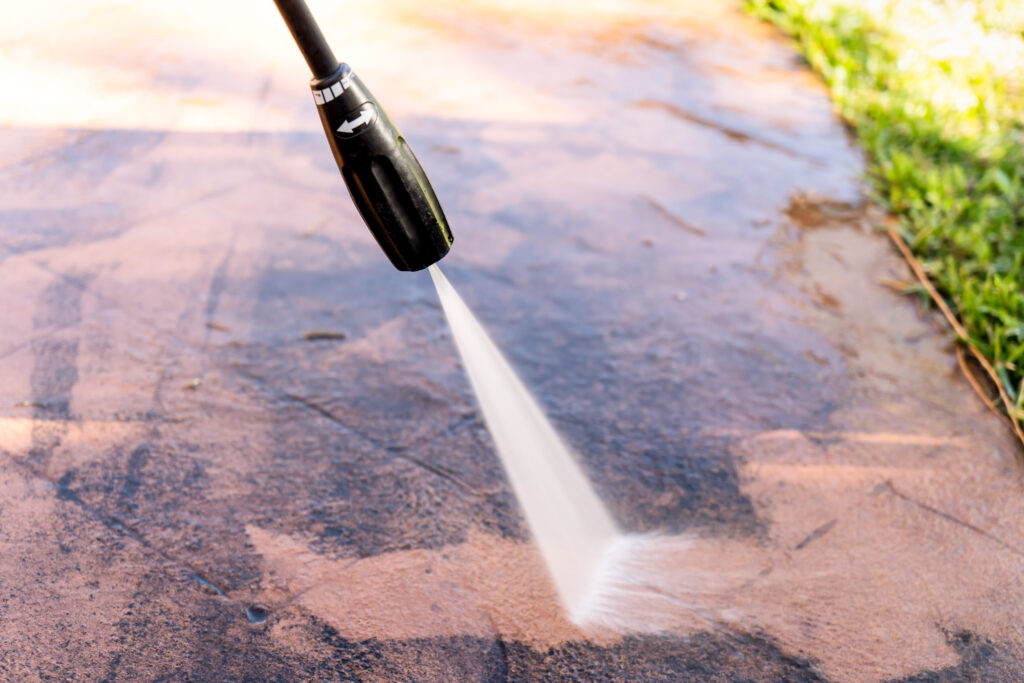
Pressure washers are excellent for rinse power if used properly. Getting too close or using a too‑narrow nozzle can strip paint, force water into seals, and damage trim.
Better: Keep a safe distance (at least 1.5–2 feet) and use a wider spray pattern for gentle, effective rinsing.
Car Washing Only Once a Year
Once‑a‑year cleaning is cosmetic only and ignores corrosive buildup like insect acids, bird droppings, tree sap, and road salt (especially in winter). These contaminants etch paint and accelerate deterioration.
Better: Wash your car every 1–2 weeks, depending on weather and driving conditions. More frequent rinses in winter and after long road trips preserve paint and prevent rust.
Relying Exclusively on Automatic Car Washes
Brush‑style automatic washes can cause swirl marks and micro‑scratches due to reused abrasive brushes. Some low‑cost car washes use harsh detergents that strip wax every time.
Better: Choose touchless automated systems or, better yet, hand washing. When using a public wash, rinse thoroughly and apply protection afterward.
Not Cleaning Undercarriage or Wheel Wells
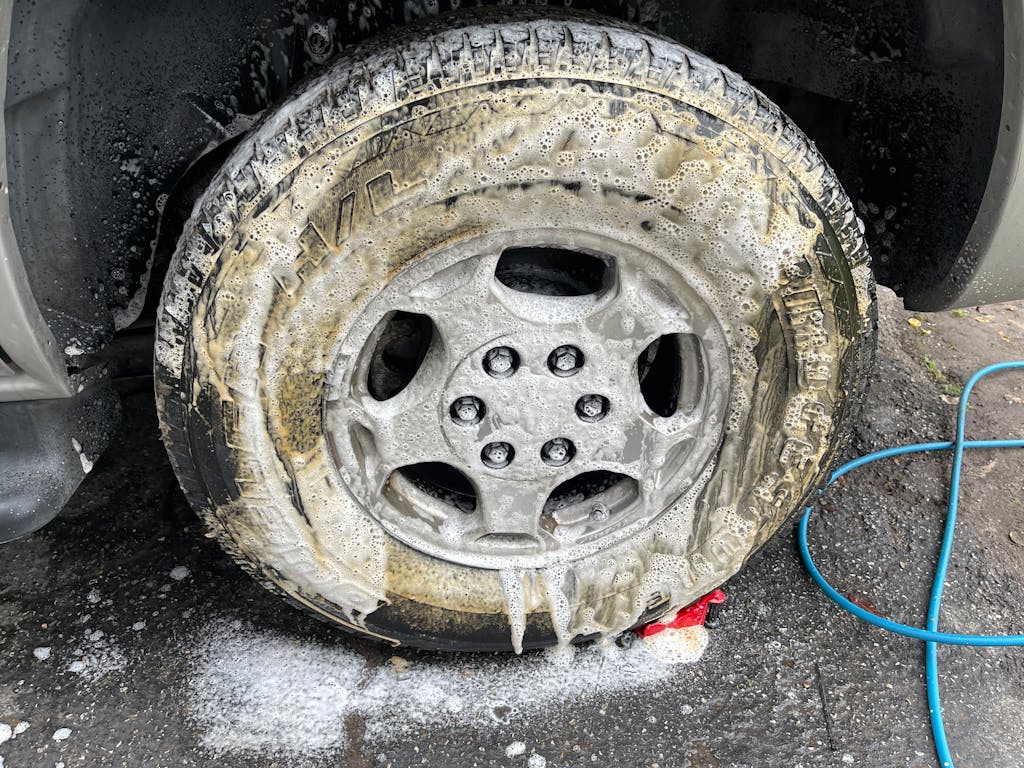
Road grime, salt, mud, and dirt hide in wheel wells and undercarriage spaces. Left alone, these areas promote rust, compromise suspension components, and cause fasteners to deteriorate.
Better: Every wash season, spray wheel wells and undercarriage with a pressure washer on a moderate setting. Focus on salt removal after winter.
Not Using Two‑Bucket Method
One bucket for soap and one for rinse prevents grit from your mitt contaminating your soap suds. Many drivers skip this, which allows abrasive dirt to scrub the paint.
Better: Use one bucket for soapy water and one for rinsing your mitt. A grit guard in each bucket adds protection against surface abrasion.
Cleaning a Hot Engine Bay Without Protection
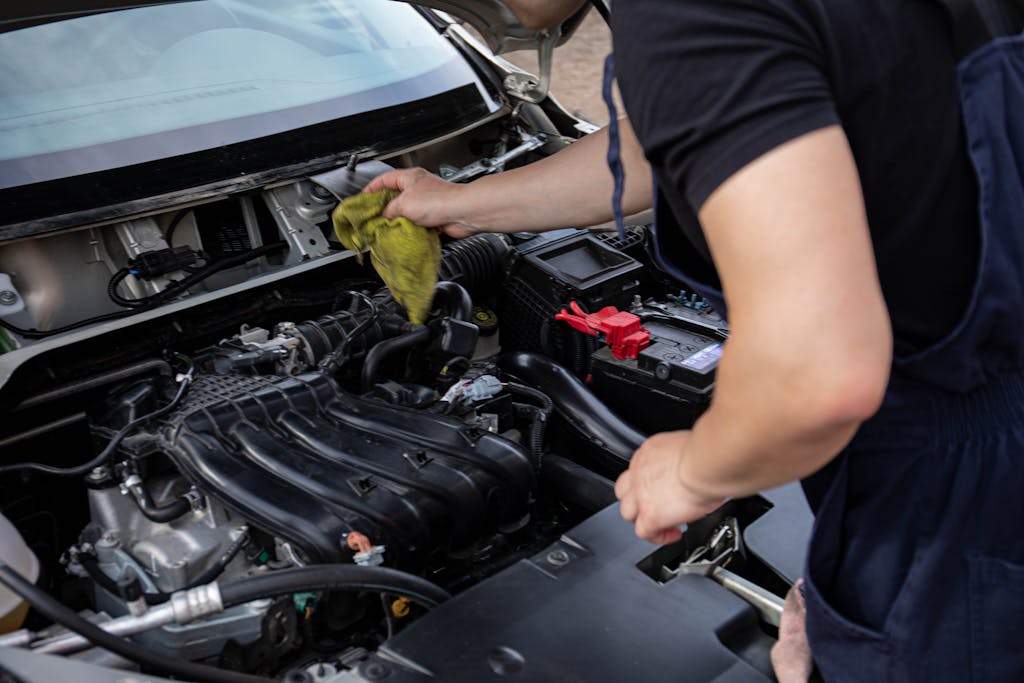
Under‑hood cleaning can be beneficial, but hosing down a hot engine can warp plastics, affect electrical connectors, or damage sensors.
Better: Only clean the engine bay when cool. Cover electrical components with plastic, use gentle degreasers, and avoid direct water blasts.
Conclusion
A clean car is more than an aesthetic choice ; it’s proactive vehicle care. Avoiding these common mistakes preserves paint, prevents deterioration, and protects your investment over the years and miles. With the right tools, techniques, and habits, every wash becomes maintenance that extends your ride’s longevity, boosts its resale value, and keeps it showroom-shine.