Backyard privacy sounds simple until the neighbor’s patio, street traffic, or nearby windows suddenly feel too close for comfort. That is why fast-growing shrubs like dogwood get so much attention from gardeners who want a softer, prettier barrier than a fence. Dogwood can bring flowers, berries, seasonal color, and dense branching to a yard, making it useful for homeowners who want privacy without making the garden feel boxed in.
The problem is that planting dogwood the wrong way can leave you disappointed. A shrub that should have created a lush screen may grow thin, weak, messy, or uneven. Before you rush to buy the first dogwood you see at the nursery, these are the mistakes that can stop it from doing the job.
Choosing the Wrong Dogwood for Your Yard
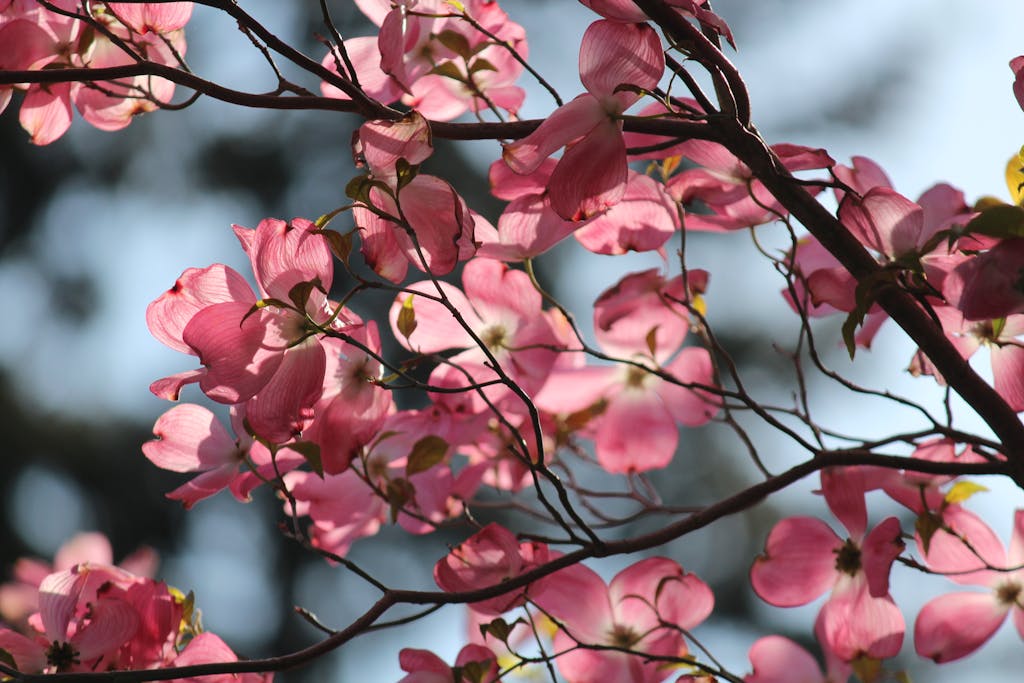
Not every dogwood works the same way, and that is where many gardeners get into trouble. Some types grow more like small trees, while others form thick, shrub-like screens that are better for privacy. If your goal is to block a view, you need a dogwood that grows wide, full, and dense, not one that lifts most of its growth above eye level.
Gray dogwood and red-twig dogwood are often stronger choices for natural screening because they can form a fuller hedge. Gray dogwood has a more relaxed, natural look, while red-twig dogwood brings brighter winter color with its striking stems. The wrong choice can leave you with a pretty plant that still does not hide much. Privacy planting should begin with purpose, not impulse.
Expecting Instant Privacy Too Soon
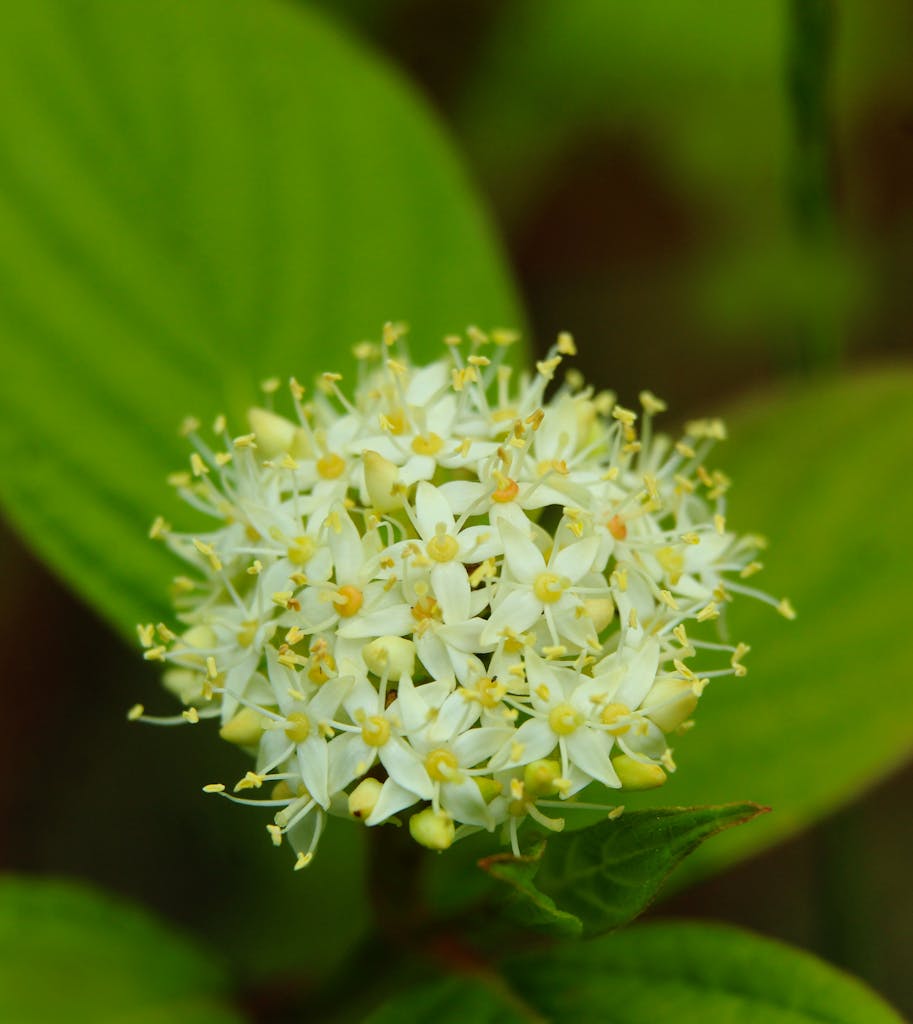
Dogwood grows faster than many ornamental shrubs, but it is still a living plant, not a magic curtain. A young shrub may look small and unimpressive during its first season, especially if it is busy establishing roots. Some homeowners plant it, stare at the gap, and feel cheated because the yard still feels open after a few months.
That expectation can lead to poor decisions, such as overwatering, overfeeding, or planting too many shrubs too close together. Dogwood needs time to fill out properly. A nursery-grown plant usually gives faster results than a cutting, but even then, the best privacy screen develops over seasons. Think of dogwood as a smart long-term fix, not an overnight wall.
Planting It in the Wrong Spot
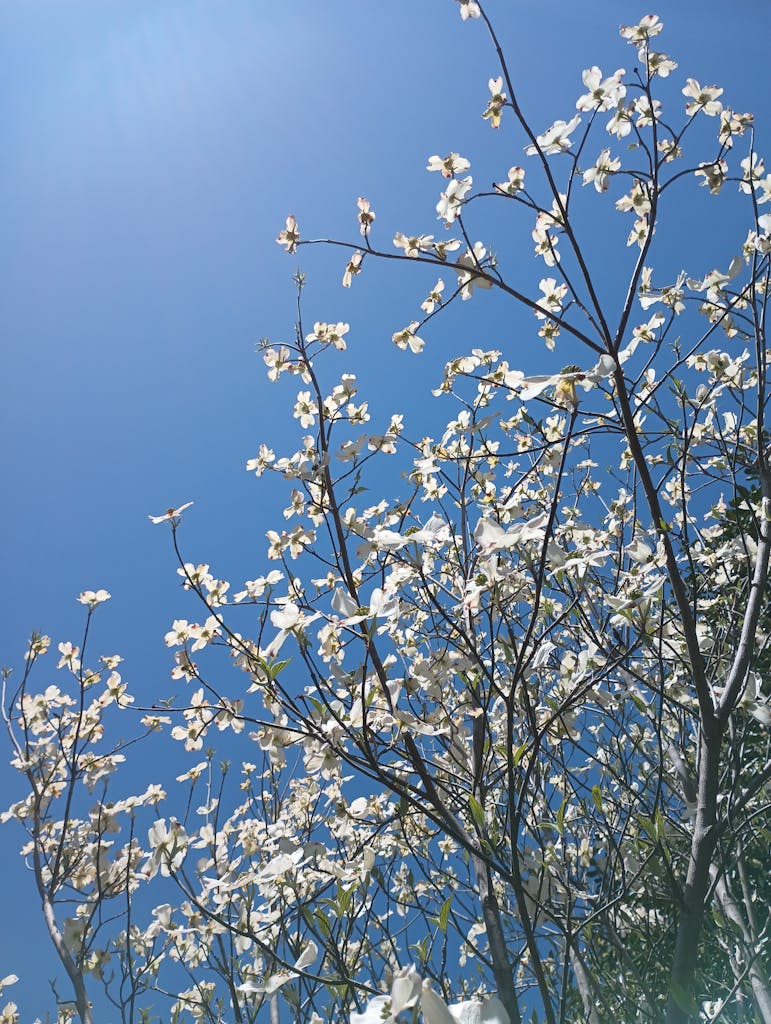
A privacy shrub is only as useful as its location. If you plant dogwood too far from the area you want to block, it may look beautiful, but it won’t solve the problem. If you plant it too close to a fence, walkway, or foundation, it may become crowded later, forcing you to do heavy pruning that weakens its shape.
Light also matters. Dogwood generally handles full sun to partial shade, but too much deep shade can make the plant thinner and less effective as a screen. Windy spots can also stress new shrubs before they settle in. Before planting, stand in the yard and look from the exact angle you want to block. That simple step can prevent years of awkward growth and poor coverage.
Ignoring Water During the First Season
A newly planted dogwood may look sturdy above ground, but its roots are still adjusting below the surface. During the first growing season, consistent moisture helps the plant settle in, push out new growth, and lay the foundation for a fuller hedge. Dry soil can slow it down, especially in hot weather.
That does not mean soaking it every day until the roots sit in mud. Dogwood likes moisture, but soggy conditions can still cause trouble. The goal is steady care, especially during dry spells. Mulch can help retain moisture, protect roots, and reduce weed growth around the base. If the first year goes badly, the privacy screen may take longer to recover.
Skipping Pruning Until the Shrub Looks Messy
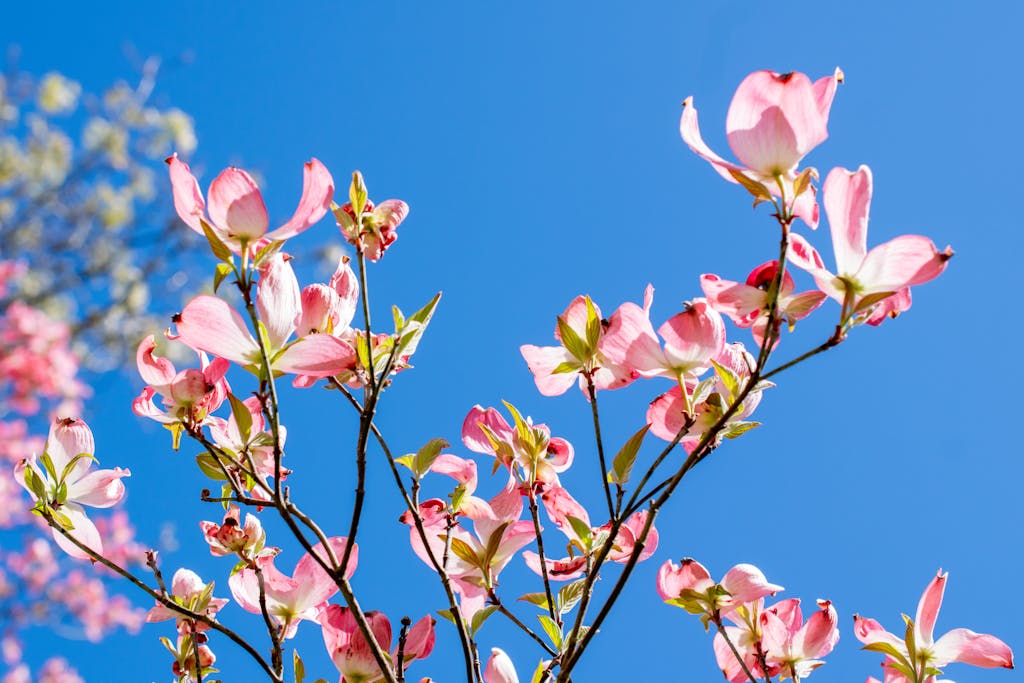
Dogwood can grow into a lovely natural hedge, but privacy does not mean neglect. Some types need pruning to stay attractive, balanced, and colorful. Red-twig dogwood, for example, is often valued for its bright stems, and those stems usually look best when older growth is removed regularly.
The mistake is waiting until the shrub becomes tangled, woody, or uneven before doing anything. Light pruning helps guide the shape and encourages better density. For a privacy screen, you want growth that fills in from the base instead of becoming bare at the bottom. Gray dogwood may need less fuss, but even low-maintenance shrubs benefit from occasional cleanup. A little attention keeps the screen useful instead of wild.
Conclusion
Dogwood can be a smart choice for homeowners who want privacy, flowers, berries, and seasonal interest in one plant. It can soften a yard, invite birds, and create a natural barrier that looks more alive than a hard fence. Still, it only works well when you choose the right type, plant it in the right place, and give it proper care during the first year.
The biggest mistake is treating dogwood as a quick decoration rather than an investment in privacy. Give it room, water it well, prune it wisely, and choose the variety that matches your yard. Done right, it can turn an exposed outdoor space into a calmer, greener retreat.