A cluttered pantry can quickly turn into a source of frustration, leading to wasted food and unnecessary spending. When your pantry is disorganized, it’s easy to forget what you have, resulting in expired items or duplicate purchases.
Properly organizing your pantry not only saves you money but also helps reduce food waste by making everything easily accessible. By following a few expert tips, you can create a streamlined, efficient space that keeps your kitchen running smoothly. Here’s how to organize your pantry like a pro and avoid the common mistakes that often cost us more than we realize.
Using Round Containers Instead of Square Ones
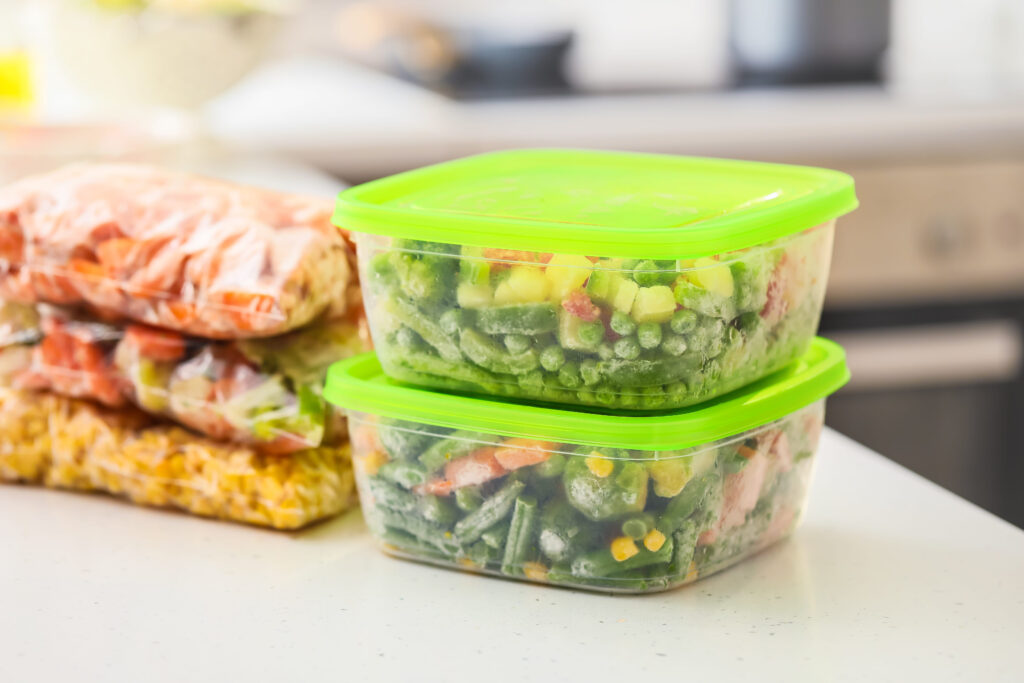
While round containers may look cute, they don’t maximize your pantry space. Square and rectangular containers fit better together, eliminate wasted space, and are easier to label.
In a crowded pantry, these containers help you make the most of every inch, ensuring better organization and preventing food from getting lost.
Storing Perishables in the Pantry
It’s tempting to use your pantry for all your food, but perishables like dairy, eggs, or fresh meat need to stay in the fridge. Likewise, pet food, which can attract pests, should be kept in a more secure space.
Always keep your pantry for dry, non-perishable goods to maintain cleanliness and prevent a messy pantry full of forgotten, expired foods.
Not Considering Accessibility for All Household Members
A well-organized pantry is not just about neatness; it’s about functionality. Make sure your pantry is accessible to everyone in your household. If you have children or shorter family members, store items they frequently use, like snacks, within their reach.
For items used less often, like specialty sauces or grains, store them on higher shelves. This ensures everyone can find what they need without frustration.
Failing to Organize by Frequency of Use
Organizing your pantry by frequency of use is key. Put the items you use most often, like breakfast cereals or canned goods, at the front of the pantry.
Items you rarely use, such as holiday ingredients or backup supplies, should be placed at the back. This reduces the time spent digging around for what you need, making your pantry more efficient.
Neglecting to Clean Up Spills and Messes
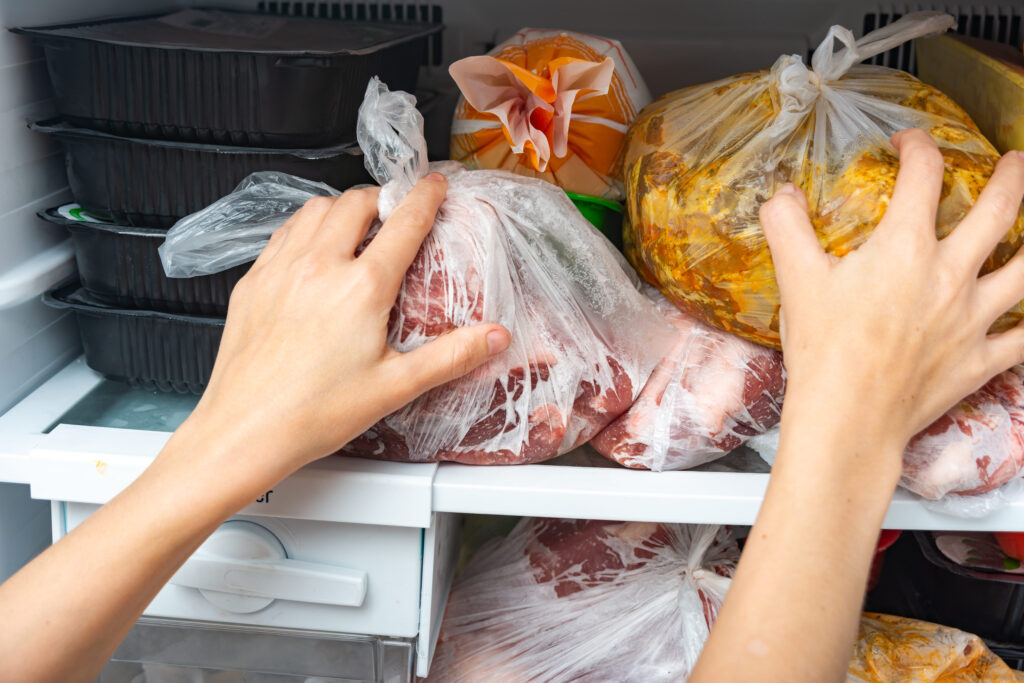
Spills happen, especially with liquids like oils and sauces, but letting them sit creates sticky messes that attract pests. If you don’t clean up spills right away, they will also dry, making them harder to remove.
A quick wipe-down after each use prevents sticky residues from building up and keeps your pantry looking fresh and organized.
Underutilizing Vertical Space
One of the best tricks for maximizing your pantry space is using vertical storage. Stack cans, boxes, or jars to make the most of the space on your shelves.
If you’re running out of room, consider installing additional shelves or hanging racks for smaller items like spices or snack packs. The vertical space in your pantry is valuable; don’t let it go to waste.
Not Storing Similar Items Together
When organizing your pantry, grouping similar items together makes a big difference. For example, keep all your grains, rice, pasta, and quinoa together so you can easily see when you’re running low.
Cans of beans, tuna, and vegetables should also be grouped together. This way, you’ll avoid buying duplicates and ensure that everything is within reach when you need it.
Skipping the Full Pantry Overhaul

When your pantry starts to feel cluttered, don’t just move things around. Empty everything out and take inventory.
This is your chance to get rid of expired items and reorganize for better efficiency. By starting with a clean slate, you’ll spot issues you may have overlooked, and your pantry will function much better.
Focusing on Aesthetics Over Functionality
While beautiful pantry setups on social media can be inspiring, functionality should always come first. Fancy containers may look great, but they take up valuable space.
Invest in stackable, functional containers that maximize your pantry’s potential. Don’t be swayed by aesthetics. Prioritize organization and ease of access for the best results.
Ignoring Expiration Dates in Your Pantry Organization
Expiration dates matter, even in your pantry. Without a system in place, it’s easy to forget about older items and end up using the newer ones first.
Organize your pantry with the oldest items at the front, and always restock from the back to ensure that you’re using the older items first. This simple method ensures you reduce food waste and avoid expiration-related surprises.
Ignoring the Power of Labels
Without labels, it’s easy to forget what’s in each container. Invest in a labeling system that works for you, whether it’s a chalkboard label, tape, or a permanent marker.
Labeling allows you to quickly identify contents without guessing, helping you keep your pantry more organized and saving time during meal prep.
Forgetting to Regularly Maintain Your Pantry Organization

A well-organized pantry isn’t a one-time job; it requires regular maintenance. Take thetime to check your pantry every few months to make sure everything is still in order. Clean out any expired items, rearrange as necessary, and ensure that items you use often are still easily accessible. Regular upkeep will help you avoid the pitfalls of a disorganized space.