Fall can fool many homeowners into thinking the garden is finished for the year. The flowers fade, the lawn slows down, and the beds start looking tired, so it feels easy to walk away and wait for spring. That small mistake can quietly cost your garden strength, beauty, and healthy growth when warm weather returns.
Fall mulching is one of the simplest ways to protect your soil before winter hits. It helps hold moisture, shield roots, reduce erosion, and give garden beds a cleaner look during the colder months. Still, mulch only works well when you apply it correctly, because poor timing, poor materials, or careless spreading can turn a helpful garden habit into a hidden problem.
Leaving Roots Exposed Before Winter
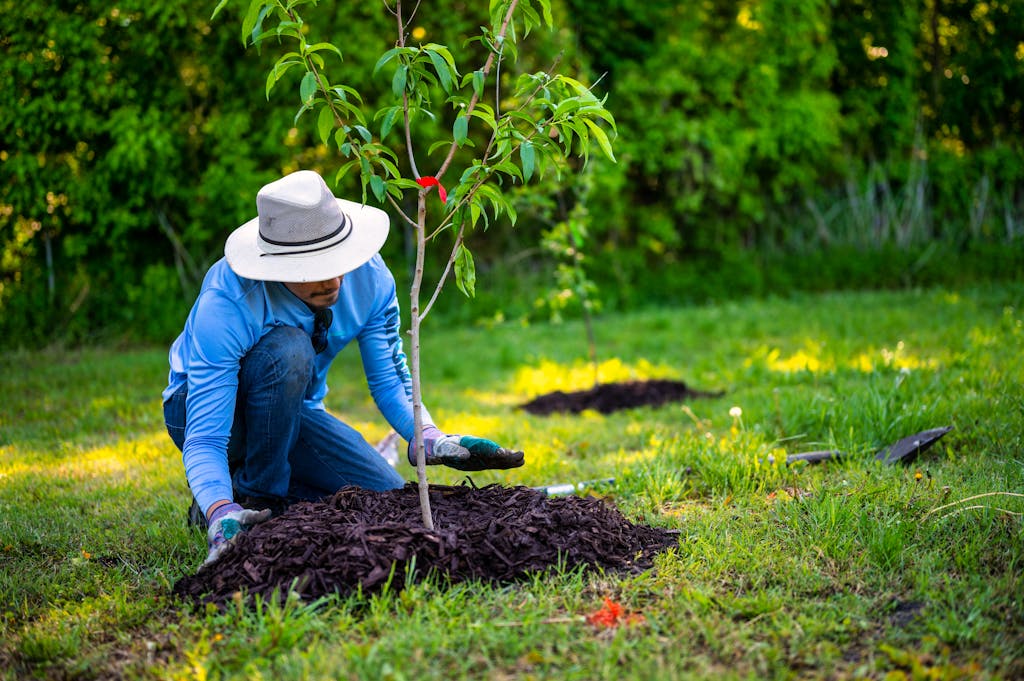
One of the biggest fall gardening mistakes is letting plant roots face cold weather without protection. Roots may be underground, but they still feel the stress of freezing soil, sudden temperature swings, heavy rain, and drying winter winds. Young plants, newly planted shrubs, perennials, and trees are especially vulnerable because their roots have not had enough time to settle deeply into the soil.
A fresh layer of mulch works like a soft blanket over the garden bed. It helps slow down sharp changes in soil temperature and gives roots a better chance to rest through dormancy. This matters most in the fall because plants are no longer growing fast above ground, yet their root systems are still adjusting below the surface. When you skip mulch, the soil can freeze and thaw repeatedly, which may push plants upward and weaken them before spring.
Piling Mulch Against Stems And Tree Trunks
This mistake is common, and it can be damaging. Some homeowners push mulch right up against plant stems or pile it around tree trunks like a mound. It may look tidy at first, but it can trap moisture where the plant needs airflow. Over time, that damp contact can encourage rot, pests, disease, and stress.
Mulch should sit around plants, not choke them. Leave a small gap around stems and tree trunks so the plant’s base can breathe. For trees, avoid covering the root flare, which is the area where the trunk begins to widen at the soil line. A flat, even layer is better than a thick mulch volcano. This simple spacing habit can protect the plant while still giving the roots the insulation they need.
Letting Soil Dry Out Too Fast
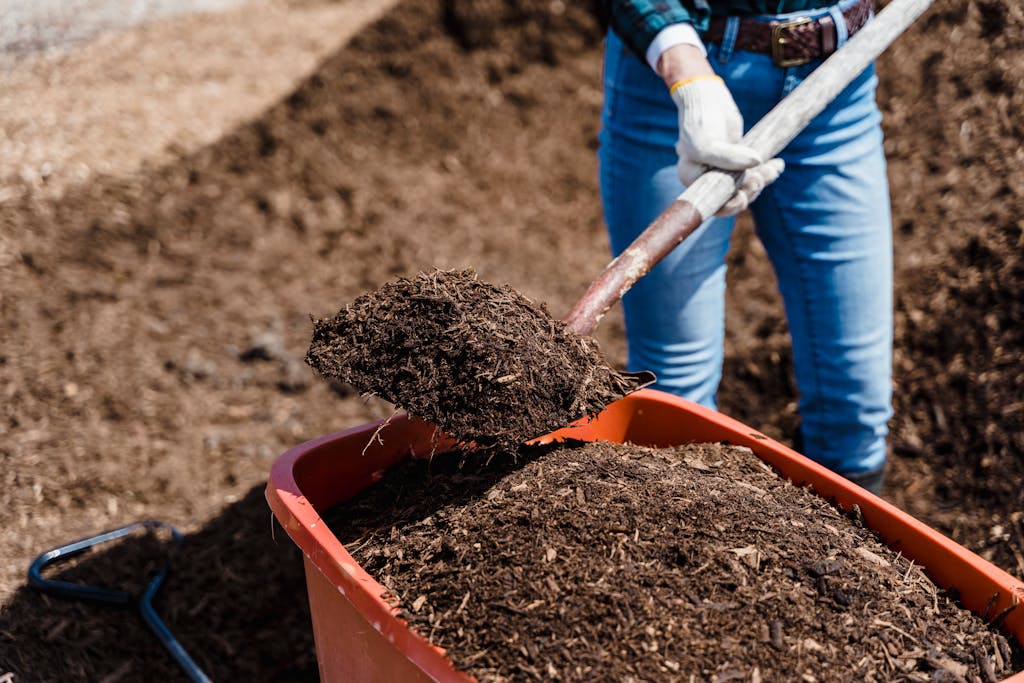
Many people connect watering problems with summer heat, but dry soil can still become a serious issue in fall and winter. Cooler weather may slow plant growth, but roots still need steady moisture to survive. Wind, dry spells, and exposed soil can pull moisture away faster than expected, especially in open garden beds with little natural cover.
Mulch helps the soil hold water for longer periods. It reduces evaporation and keeps moisture closer to the root zone, reducing the likelihood that plants will suffer from hidden dryness. This does not mean you should soak your garden every day, but it does help reduce stress between watering days. If your area gets mild winters or long dry stretches, fall mulch can quietly protect your plants from becoming weak before spring growth begins.
Using The Wrong Mulch Material
Not all mulch is equally helpful. Some materials look neat but do little for soil health, and others can create problems if used in the wrong place. Rock, rubber, and synthetic mulch may last longer, but they do not break down into nutrients. They can also trap heat, block natural soil improvement, or make future planting harder.
For most garden beds, organic mulch is the smarter choice. Shredded leaves, wood chips, bark, pine straw, straw, and similar natural materials can slowly break down and improve the soil over time. They also allow air and water to move more naturally. This is important because healthy soil is alive, and it needs breathing room. If your goal is a stronger garden next spring, choose mulch that protects the bed now and supports the soil later.
Allowing Rain To Wash Away Good Soil
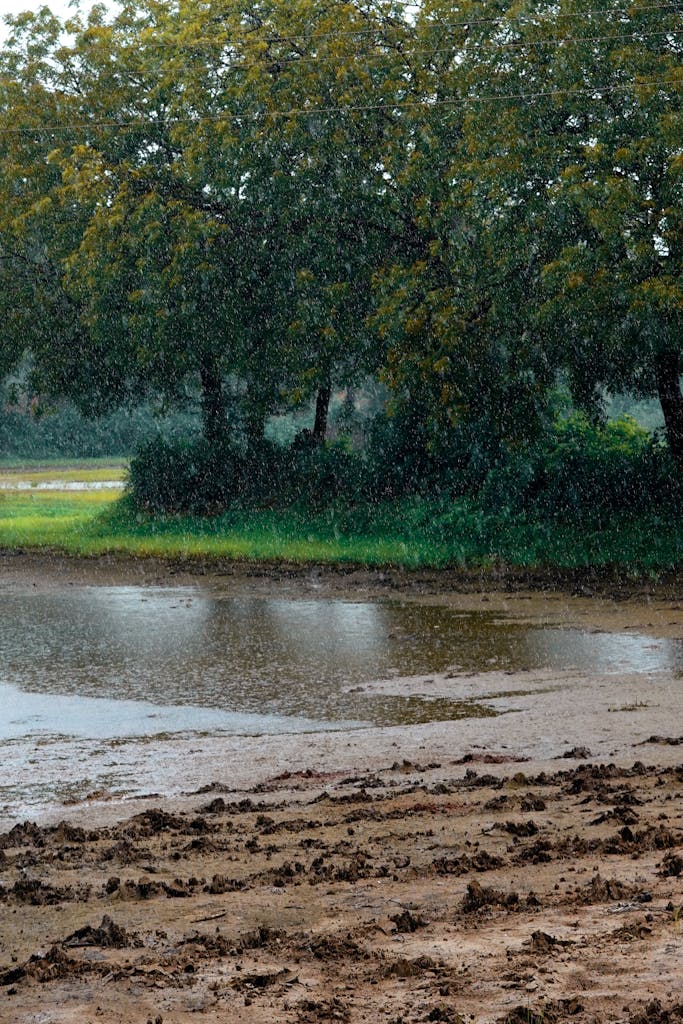
Bare soil is easy prey for fall rain and winter storms. Heavy water can splash soil out of beds, expose roots, and carry away the rich top layer where many nutrients live. Sloped yards, raised beds, garden edges, and areas near downspouts are especially at risk because water moves quickly through them.
Mulch slows that movement and helps keep soil in place. Instead of rain hitting the bare ground directly, it first lands on the mulch, which softens the impact. That protection can reduce erosion and help preserve the structure of your garden bed. By spring, this can make a big difference because your plants wake up in soil that is still stable, covered, and ready to support new growth.
Spreading Too Much Or Too Little
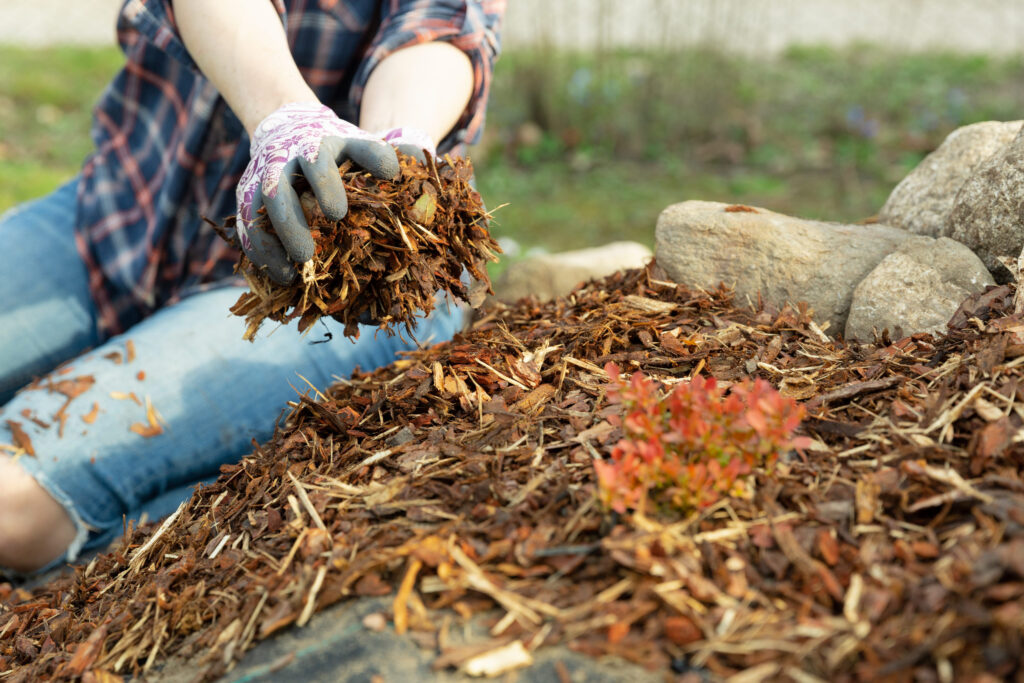
Mulch depth matters more than many people realize. A thin dusting may look nice for a week, but it will not offer much real protection against cold, erosion, or moisture loss. On the other hand, a thick, heavy layer can block air and water, keep the soil too wet, and make it harder for plants to stay healthy.
A moderate layer is usually best for most garden beds. Aim for enough coverage to shield the soil without burying the plants. Before adding more mulch, check what is already there from spring or summer. You may only need a light refresh instead of a full new layer. Smart mulching is not about dumping more material everywhere. It is about giving the garden the right amount of cover where it needs it most.
Conclusion
Fall mulching is not just a cosmetic garden chore. It is a protective step that can decide how strong your garden looks when spring returns. It helps guard roots, preserve moisture, reduce erosion, improve soil, and keep beds looking cared for through the colder months.
The danger comes from ignoring it or doing it carelessly. If you leave soil exposed, use poor materials, pile mulch against trunks, or spread the wrong amount, your garden may pay for it later. A simple fall mulch refresh can save you from weak plants, messy beds, and extra work when the growing season begins again.