August can make a garden look tired in a hurry. The heat lingers, flowers fade, stems flop, and once cheerful beds can start looking like they have given up before fall even arrives. That is where deadheading saves the day. Removing spent blooms tells many plants to stop wasting energy on seeds and start pushing out fresh flowers instead. Most gardeners remember the obvious choices, such as roses and petunias, but several less common plants need the same attention. Ignore them, and your late summer garden may lose weeks of color.
Scabiosa
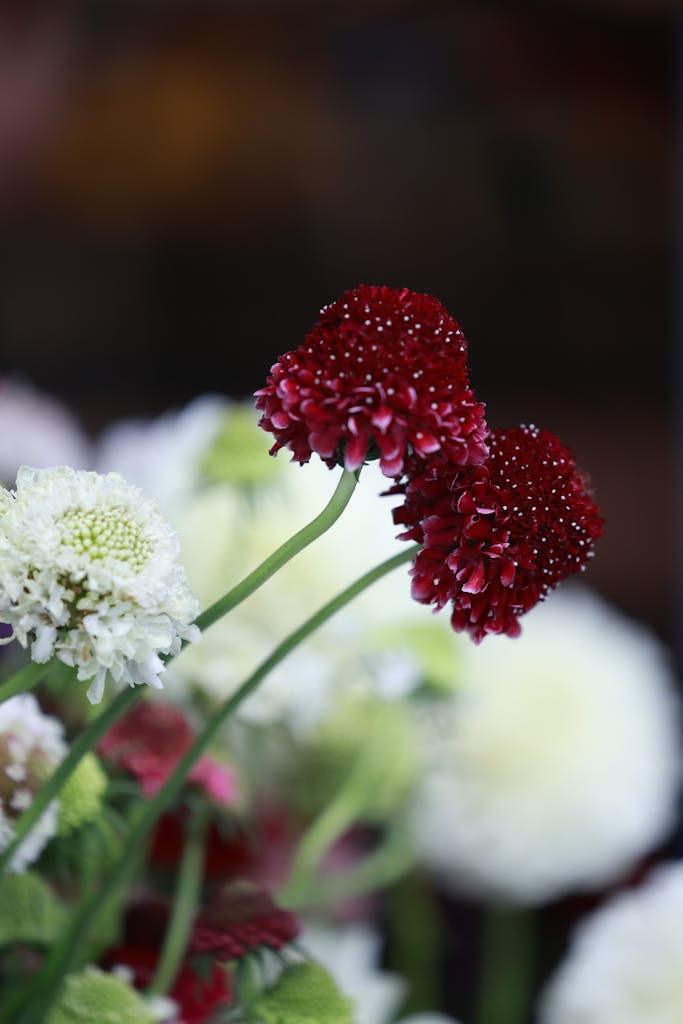
Scabiosa, also called pincushion flower, looks delicate, but it blooms with surprising stamina when you keep up with deadheading. The problem starts when the old flower heads turn dry and papery. Once that happens, the plant shifts energy into seed production rather than sending up new stems. Snip each faded bloom down to a healthy leaf joint or side shoot. This keeps the plant airy, neat, and ready for another round of soft purple, pink, blue, or white flowers.
Gaillardia
Gaillardia, or blanket flower, can look fiery and cheerful in July, then suddenly messy in August. The spent blooms form round seed heads that drain energy from the plant. If you leave too many behind, the plant may slow down and look dry before the season ends. Remove old flowers as soon as the petals shrivel. A quick trim every few days can keep gaillardia blooming until cooler weather arrives.
Verbena Bonariensis
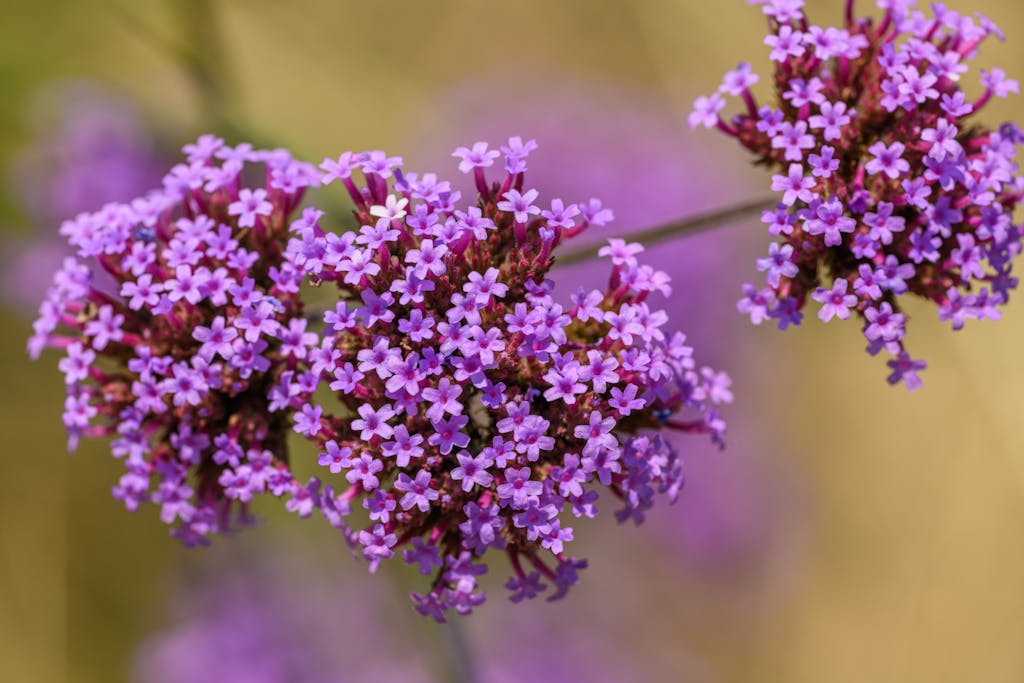
Verbena bonariensis adds tall, airy color to borders, and butterflies love it. Yet those slender stems can become full of faded clusters by August. Deadheading keeps the plant from looking dusty and helps it send out new flower sprays. Cut the spent clusters back to a lower branching point. Leave only a few seed heads if you want the plant to self-sow next year.
Coreopsis
Coreopsis is easy to love because it gives bright, daisy-like flowers with very little drama. Still, it can turn scruffy if you let faded blooms sit too long. Deadheading helps the plant stay compact and encourages more buds to form along the stems. Use clean scissors and cut just above a fresh set of leaves. If the whole plant looks tired, give it a light haircut instead of snipping one flower at a time.
Cosmos
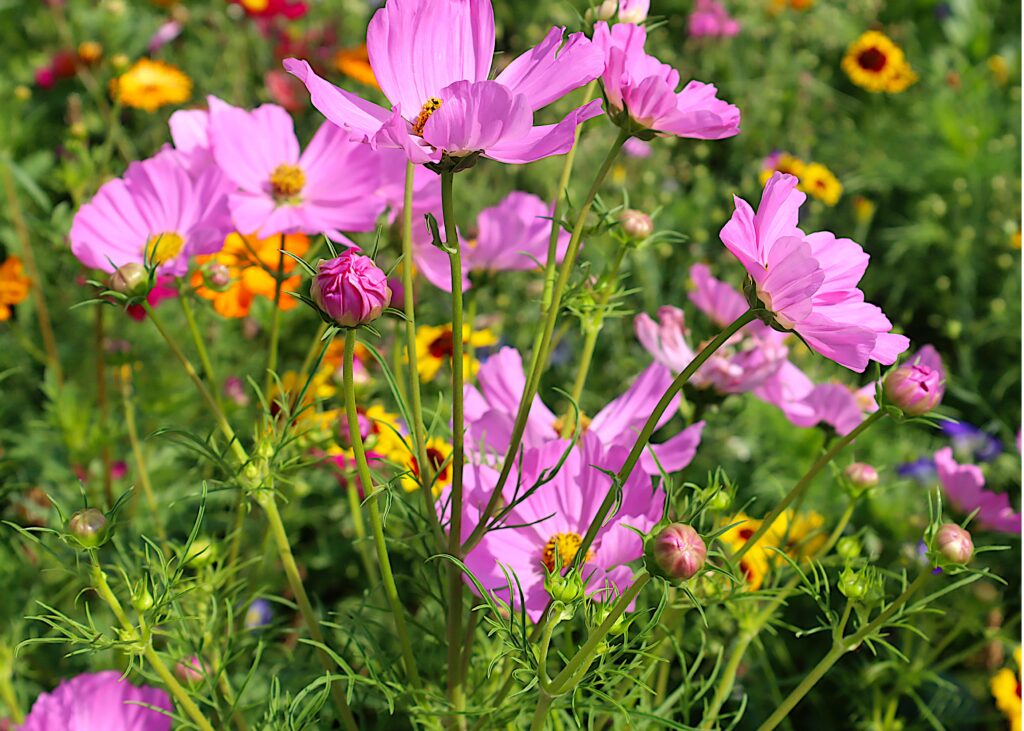
Cosmos may seem carefree, but it responds beautifully to regular deadheading. When the flowers fade, the plant quickly forms seed heads, and that can slow new bloom production. Cut the old flowers with a bit of stem attached to encourage longer, stronger growth. This also keeps the plant from getting too wild and tangled. With steady trimming, cosmos can keep producing soft, breezy flowers well into fall.
Agastache
Agastache, also known as hummingbird mint, brings fragrance, height, and pollinator power to the garden. By August, older flower spikes can turn brown, making the whole plant look tired. Cut spent spikes back to a fresh side shoot to encourage new growth. Do not cut the plant too harshly if the weather is extremely hot. A steady, gentle deadheading routine works better than one big chop.
Penstemon
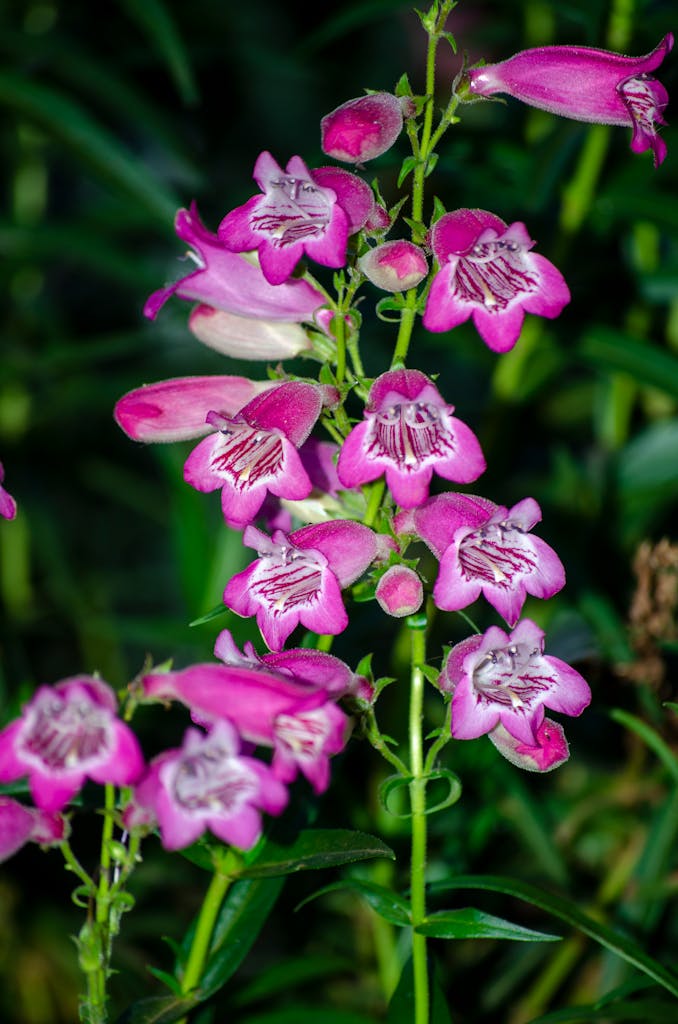
Penstemon often gets ignored after its first big bloom, but that is a mistake. A wide variety can produce extra flowers when you remove faded stems at the right time. Cut the old flower stalks down to the base or to a healthy set of leaves. This keeps the plant from wasting energy on seed pods. It also helps the plant look cleaner in mixed borders where messy stems stand out fast.
Heliotrope
Heliotrope brings rich color and a sweet scent, but old flower clusters can make it look dull. When blooms fade, the plant may stop looking lush and start looking exhausted. Pinch or snip away the spent clusters before they turn brown. This encourages fresh buds and keeps the plant full. Container-grown heliotrope especially benefits from this because pots dry out faster, and plants can tire more quickly.
Angelonia
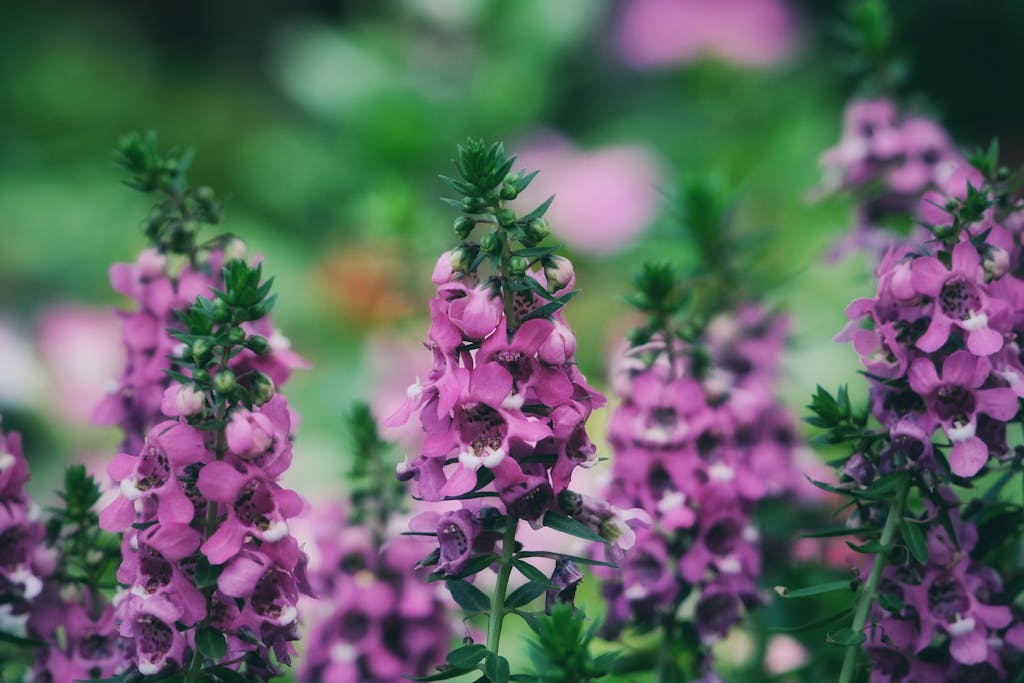
Angelonia, also called summer snapdragon, handles heat better than many flowers. Even so, it can bloom more cleanly when you remove fading flower spikes. A wide variety is partly self-cleaning, but a little help in August keeps them sharper and fuller. Cut old spikes down to a leaf node or a fresh side shoot. Add steady watering after trimming, and the plant can bounce back with another wave of color.
Conclusion
Deadheading in August is not just a small tidy-up job. It can decide whether your garden fades early or keeps giving color into fall. The uncommon plants that need attention include scabiosa, gaillardia, coreopsis, verbena bonariensis, cosmos, agastache, penstemon, heliotrope, and angelonia.
The best approach is simple. Remove faded blooms before they turn into seed heads, cut back to healthy leaves or side shoots, and water deeply after trimming. Your plants will look cleaner, grow stronger, and reward you with a longer, brighter late-season show.