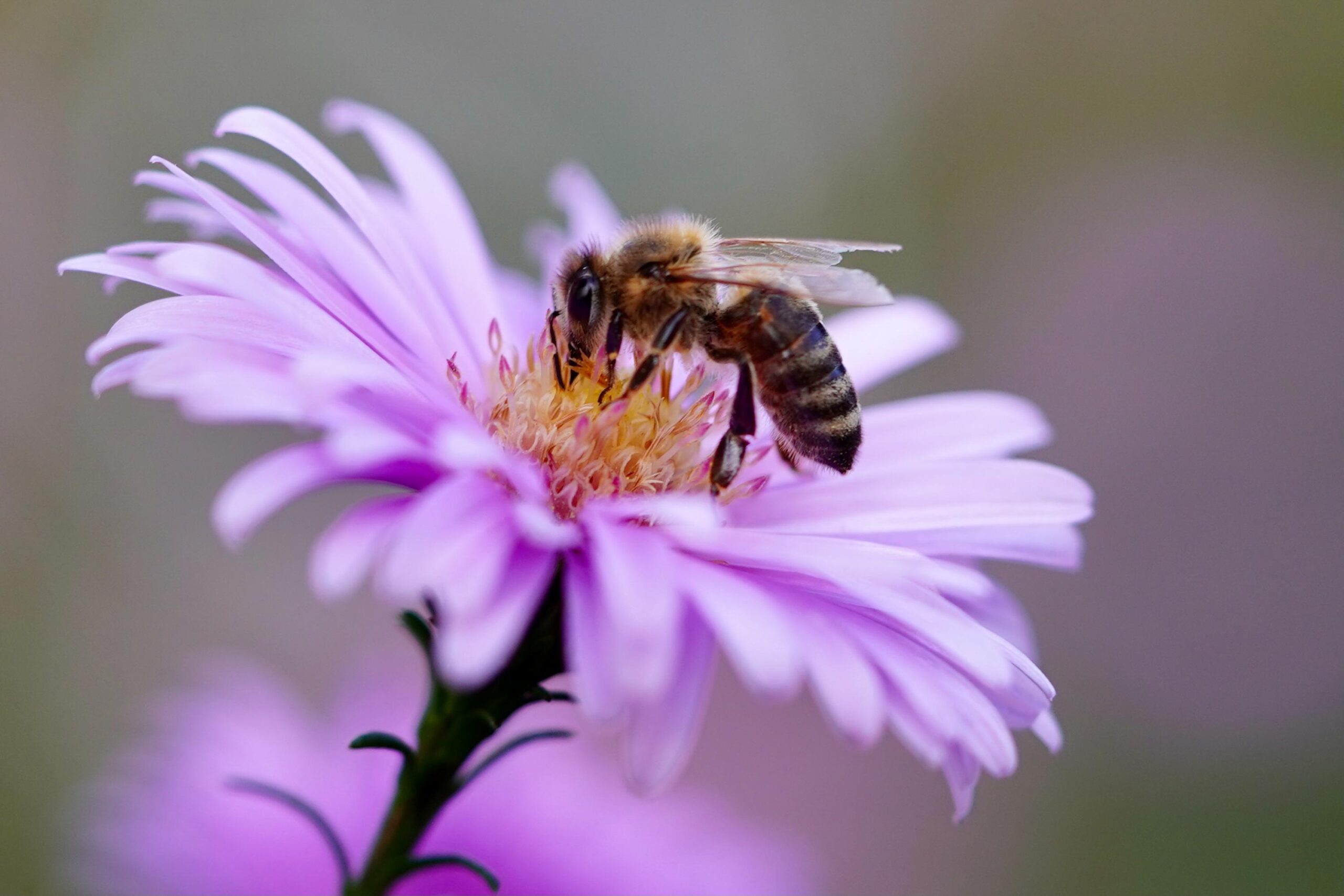
Fall is the season when your garden can bloom with rich hues and stunning textures, thanks to vibrant shrubs that bring color to the cooler months. However, not all shrubs are suited for planting during this time. Some struggle to establish roots in colder temperatures or may not perform well in the fall environment. Before you add those colorful shrubs to your garden, take a moment to avoid planting these seven varieties.
Azaleas
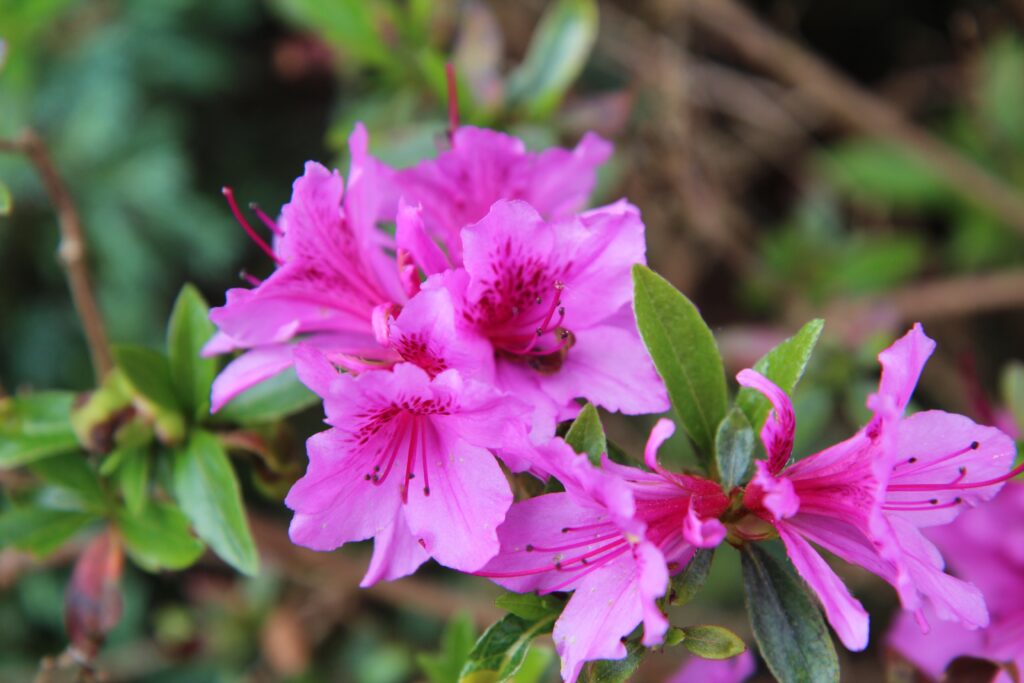
Azaleas are a popular choice for adding a burst of color to your garden, but fall isn’t the best time for planting them. These shrubs prefer warm soil to get their roots established. In colder temperatures, they may not root properly, and the risk of frost damage is high. To avoid disappointment, consider planting azaleas in spring or early summer, when the ground is warmer and growing conditions are more favorable.
Instead of azaleas, go for Japanese holly. With its dark green foliage and slow-growing nature, Japanese holly can thrive in cooler months, making it an ideal choice for fall planting.
Rhododendrons
Rhododendrons are stunning in spring with their colorful blooms, but planting them in the fall can pose problems. These shrubs require a significant amount of time to establish their root system, which is difficult in the fall when the ground temperatures drop. This delay in root establishment makes them more vulnerable to cold weather, and they may not survive the winter.
Instead of rhododendrons, try planting holly shrubs in the fall. Their hardy nature and evergreen leaves make them a perfect choice for fall planting. Plus, their bright red berries will add a pop of color throughout the winter.
Boxwood
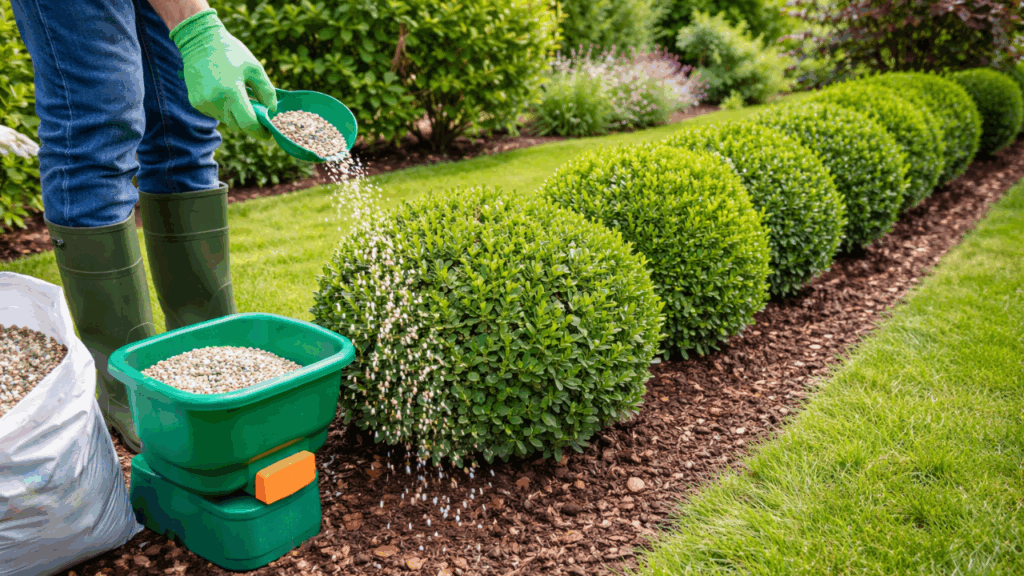
Boxwood shrubs are loved for their dense, evergreen foliage, but they can be highly susceptible to winter burn if planted in the fall. As the weather cools, these shrubs may struggle to acclimate to colder temperatures and wind, leading their leaves to turn brown and weaken.
To avoid this, try planting wintergreen boxwood or yew shrubs in the fall. These hardy shrubs have a better tolerance to cold and will continue to thrive well into the winter months without the same risk of damage.
Lavender
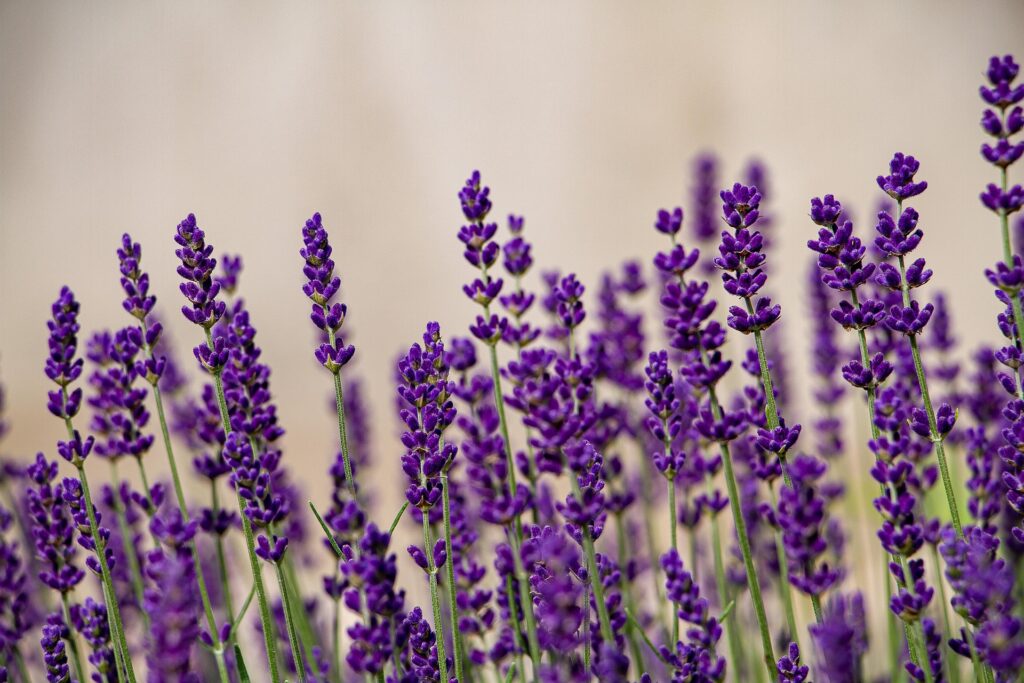
While lavender is known for its fragrant and vibrant purple blooms, it’s not the best shrub to plant in the fall. Lavender thrives in hot, dry conditions, making it well-suited for planting in late spring or early summer. When planted in the fall, lavender can struggle to root properly and become more prone to frost damage as the cold weather sets in.
For a similar yet more suitable option for fall planting, consider heather. This shrub offers a similar color range in purple and pink hues and is more resilient to the chillier temperatures of fall. Plus, it provides year-round beauty and texture to your landscape.
Hydrangeas
Hydrangeas are beloved for their large, showy blooms, but they can be finicky when it comes to fall planting. They need warm soil to properly establish their roots, and if planted too late in the season, they may fail to develop properly before the winter frost. In fact, hydrangeas may not even flower the following year if their roots are not well-established before winter sets in.
Instead, opt for spirea. These shrubs offer attractive flowers and vibrant foliage throughout the fall. Spirea can handle fall planting and establishes itself more easily than hydrangeas, making it an excellent alternative for adding color during the cooler months.
Forsythia
Forsythia shrubs are known for their bright yellow flowers that bloom in early spring, but planting them in the fall can be problematic. Fall planting leaves these shrubs little time to establish their roots before freezing temperatures arrive, making them more vulnerable to winter stress. They may not flower as vigorously in the spring, or worse, they may not survive the winter at all.
For a similar effect, try planting barberry shrubs. Barberry offers vibrant colors in shades of red, orange, and yellow throughout the fall, and they’re much more resilient to cold temperatures. Plus, they require less time to establish their roots and will thrive through the winter.
Lilacs
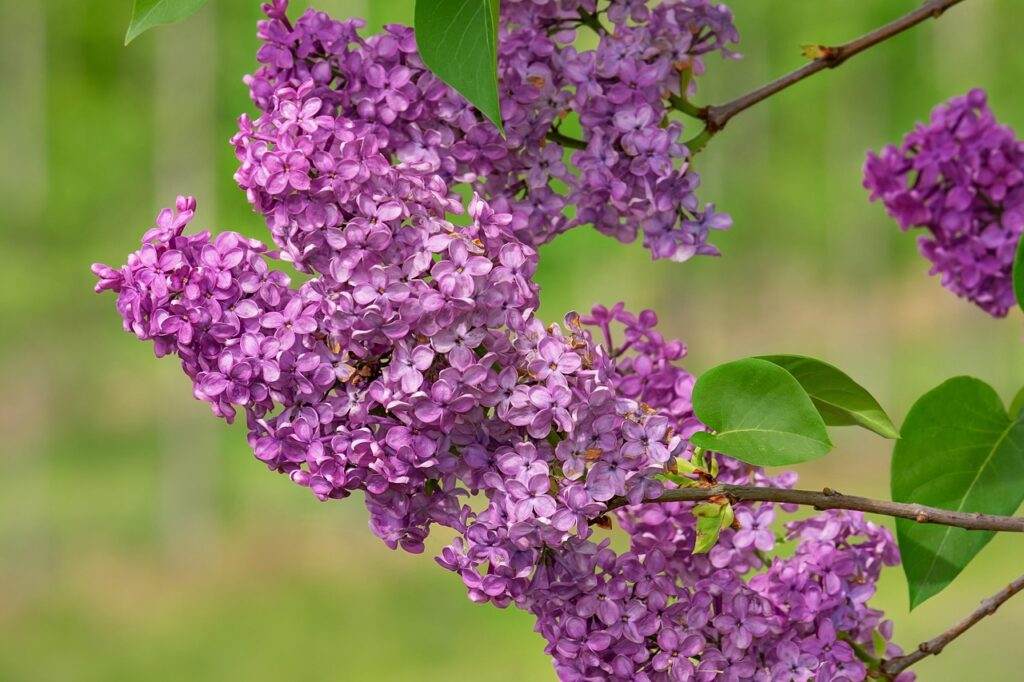
Lilacs are adored for their fragrant flowers, but they don’t perform well when transplanted in the fall. Lilacs require significant time to adapt to their new environment and establish a deep root system. Planting them in the fall may leave them struggling to survive the winter, as cold weather impedes proper root growth.
Instead of lilacs, go for winter jasmine. This plant features bright yellow flowers that bloom in winter, adding a cheerful splash of color to your garden. Winter jasmine is also much better suited to fall planting and can easily survive through the colder seasons.
Conclusion
When choosing colorful shrubs for fall planting, it’s crucial to consider their hardiness and adaptability. Many shrubs, such as azaleas, rhododendrons, and lavender, are best planted in spring or summer to give them time to establish roots before cold weather sets in. By opting for fall-friendly options like Japanese holly, wintergreen boxwood, or spirea, you can enjoy vibrant colors throughout the cooler months while avoiding the pitfalls of fall planting.
Make your fall planting season a success by selecting hardy shrubs that can withstand the cold, ensuring a stunning, resilient garden all year long.