A cluttered nightstand isn’t just a small annoyance; it could be one of the reasons you’re struggling to get a good night’s sleep. It may look innocent at first, but the items you keep beside your bed can subconsciously foster a sense of stress and unease. If you’re having trouble winding down or feeling restless at night, take a closer look at what’s sitting on your nightstand. The state of your bedroom, and particularly the area by your bed, can make a bigger impact on your sleep than you realize.
Too Many Cups, Bottles, and Mugs

It might seem harmless to keep a few water bottles, cups, or mugs near your bed; after all, staying hydrated is important, especially if you tend to wake up thirsty. However, when you have multiple containers of different sizes and types, it quickly turns into clutter. Your mind can easily get distracted by the overwhelming sight of cups and bottles cluttering up the space. It not only disrupts the room’s appearance but also creates a sense of disorder.
To make your nightstand work for you, keep it clear of unnecessary drinkware. Stick to one bottle or cup, preferably one that suits your needs. This eliminates distractions, reduces visual clutter, and brings a sense of order to the room. A clear space equals a clearer mind, which makes it easier for you to relax and sleep soundly.
Random Clutter That Feels Small but Isn’t

It’s almost inevitable that some random items make their way to your nightstand: keys, tissues, receipts, jewelry, or a few pens and papers that you just didn’t know where else to put. While these items seem small individually, they accumulate into a chaotic mess. When you try to relax, your brain can’t help but notice the scattered clutter, even if you think it’s no big deal. These little objects aren’t just physical distractions; they serve as reminders of things left undone or still in progress, creating mental noise you don’t need when trying to wind down.
To solve this, keep your nightstand organized and only store the essentials. Clear out anything that isn’t necessary for your nighttime routine. By removing clutter, you can reduce stress and foster a calm atmosphere that helps your brain unwind rather than stay alert and on edge.
Small Electronics That Keep Stimulation Close
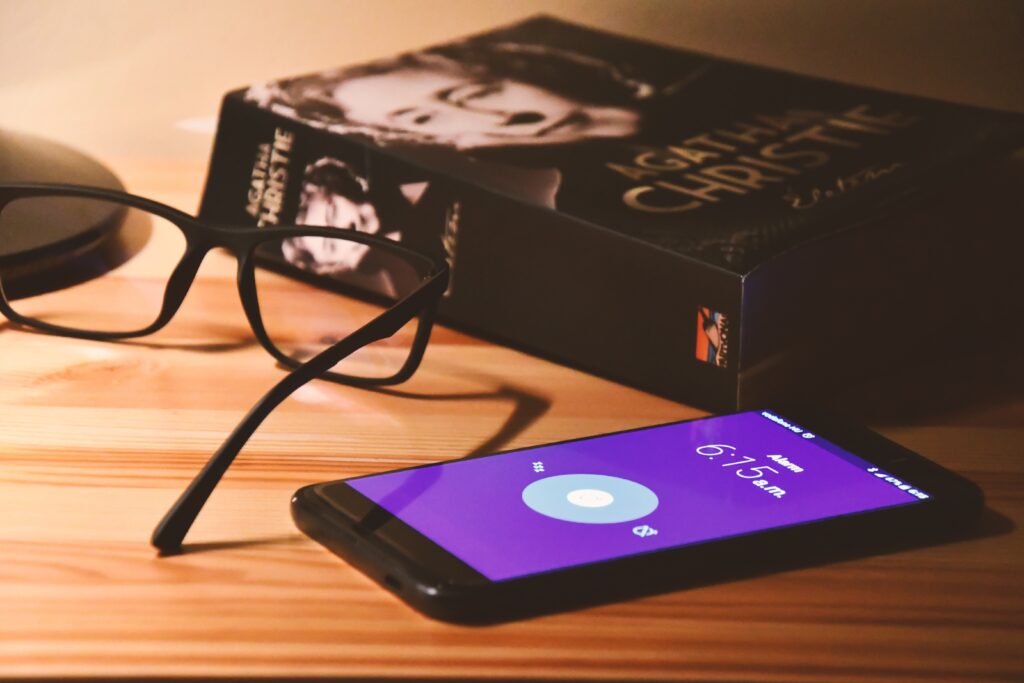
Smartphones, tablets, smartwatches, and other electronic devices are often within arm’s reach when we sleep. These devices can be tempting to keep on the nightstand for easy access, but they often bring light, noise, and stimulation that can interfere with sleep. Even the soft glow from a phone screen or a subtle notification sound can disrupt your brain’s ability to relax. The presence of these devices sends signals to your brain, keeping it alert and preventing it from shifting into sleep mode.
To combat this, consider moving electronics farther away from the bed. If you need your phone as an alarm clock, try placing it across the room or using an analog clock instead. The goal is to eliminate any distractions or light that can disrupt your sleep cycle. A tech-free zone encourages your brain to associate your bed with rest, not stimulation.
Skincare That Turns Bedtime Into a Guilt Zone
It’s easy to see how skincare products can land on your nightstand; they’re part of your bedtime routine. But too many products or items that represent unfinished self-care can create unnecessary stress. Instead of relaxing before sleep, you may feel guilty for not following through with your skincare routine, or even overwhelmed by the list of steps. Your nightstand should inspire relaxation, not remind you of self-improvement tasks you haven’t completed.
Limit the items on your nightstand to the basics. A moisturizer or a lip balm is fine, but a collection of serums, face masks, or toners might be creating more pressure than they’re worth. By simplifying your skincare routine and limiting the items on your nightstand, you allow your mind to focus on sleep rather than a laundry list of beauty goals.
Anything That Brings Work Into the Bedroom
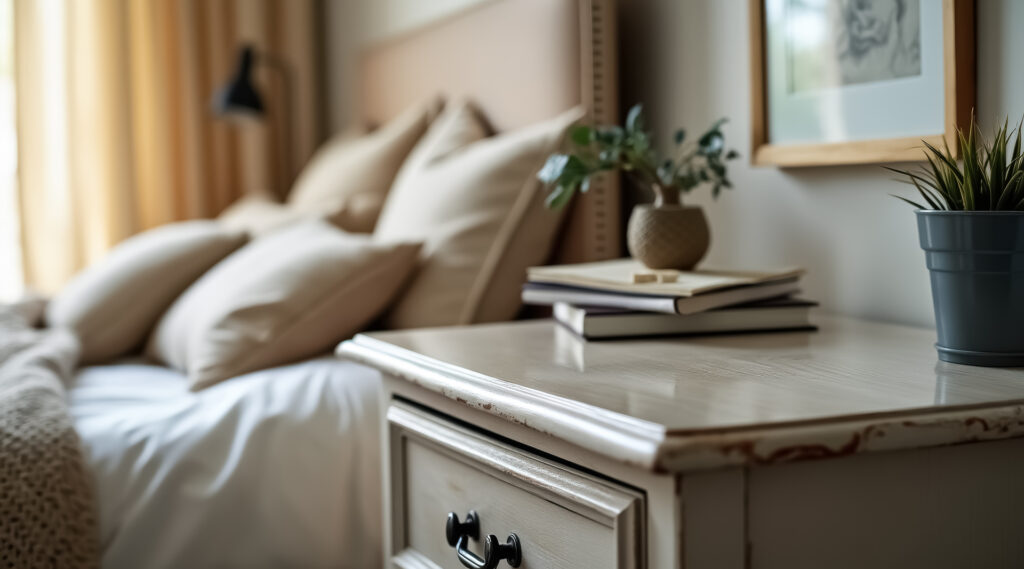
When work-related items end up on your nightstand, it can blur the lines between work and relaxation. Even if you’re not actively working on your laptop or reviewing paperwork in bed, the mere presence of work reminders like a planner, unread emails, or to-do lists- keeps your brain engaged with tasks that should be saved for another time. This cognitive load prevents your mind from fully shifting into “rest mode,” making it harder to fall asleep.
Try to keep work out of the bedroom altogether. Don’t let your nightstand double as an office. By reserving your bedroom for sleep, relaxation, and intimacy, you can maintain a clearer mental divide between work and rest, which promotes better sleep and overall well-being.
Conclusion
A better night’s sleep begins with the small, often-overlooked details in your environment, starting with your nightstand. A cluttered, disorganized, or overstimulating nightstand can silently sabotage your attempts to relax and unwind. By eliminating distractions, reducing visual clutter, and keeping only the essentials on your nightstand, you create an atmosphere that promotes restfulness. Simple changes to your sleep environment, like clearing away unnecessary items, can significantly improve the quality of your sleep and help you wake up feeling refreshed and ready for the day.