A bad restaurant rarely announces itself with one dramatic disaster. Most of the time, the warning signs arrive quietly: a sticky menu, a strange smell near the dining room, a server who cannot explain the food, or a bathroom that looks like it has been forgotten since last weekend. These little details matter because a restaurant is more than a place that puts food on a plate. It is a system of cleanliness, timing, storage, service, training, and trust.
When we eat out, we hand over control. We trust strangers to store ingredients safely, cook food properly, clean surfaces, wash hands, manage pests, and serve meals with care. That trust should not be blind. Some red flags are just signs of a disappointing meal, but others can indicate deeper food safety problems that may ruin the night or make someone sick.
The smartest diners do not need to be rude, paranoid, or difficult. We simply need to pay attention. A restaurant that cares usually shows that care before the first bite arrives. A restaurant that cuts corners often reveals it long before the check lands on the table.
A Menu That Looks Too Big to Be Fresh
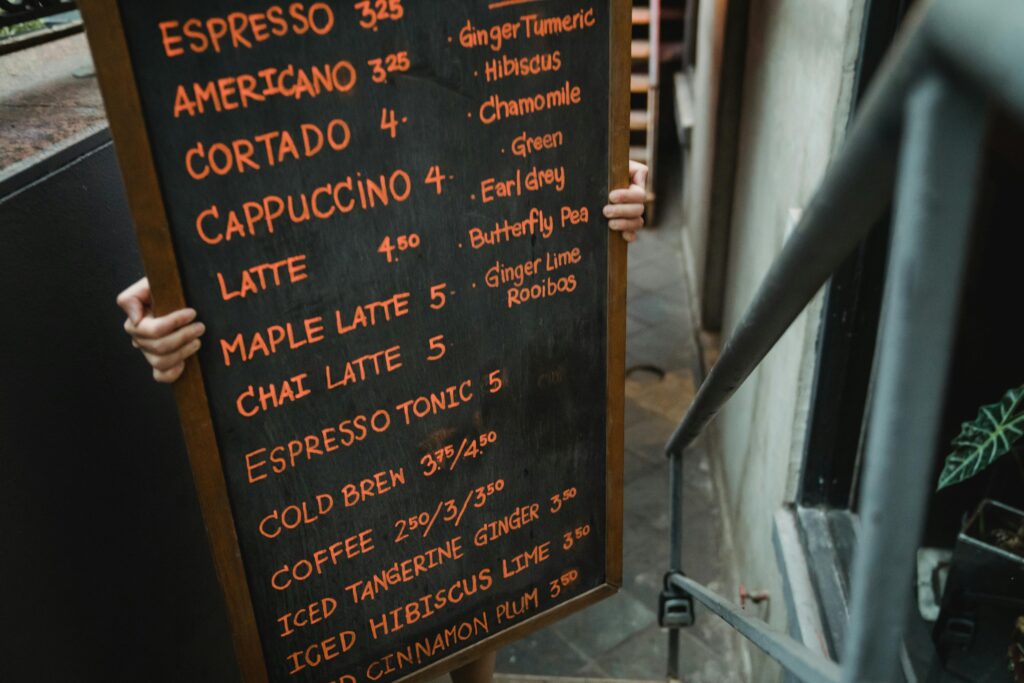
A huge menu may feel exciting at first, especially when everyone at the table wants something different. The problem is that a kitchen offering dozens of cuisines, hundreds of dishes, and endless variations often struggles to prepare everything fresh and well. We should be cautious when a place claims to master sushi, burgers, pasta, curry, seafood, steak, tacos, breakfast plates, and desserts with equal confidence.
A focused menu usually tells a better story. It suggests the kitchen knows what it does best, buys ingredients with purpose, and turns inventory quickly enough to keep food fresh. A bloated menu can signal frozen shortcuts, prepackaged sauces, reheated proteins, and ingredients that have been sitting around too long. We do not need a restaurant to offer everything. We need to do fewer things with discipline, consistency, and care.
Online Reviews Repeating the Same Complaints
One angry review does not define a restaurant. Some customers exaggerate, misunderstand policies, or punish a business over minor frustrations. Patterns matter more. If review after review mentions cold food, dirty bathrooms, rude service, long waits, billing issues, pests, or food poisoning concerns, we should listen to the repetition.
The strongest reviews often contain specific details. “The pasta was cold twice,” “the bathroom had no soap,” or “the server ignored our allergy question” carry more weight than vague insults. We should also check whether management responds professionally. A restaurant that argues with every customer online may bring that same attitude to the dining room.
Strong Chemical Smells Near the Entrance

A restaurant should smell clean, but not like a hospital corridor, a public restroom, or a bottle of bleach spilled across the floor. Heavy chemical odors can indicate the staff has recently cleaned, but they can also signal that the restaurant is trying to mask something worse. If we walk in and smell overpowering disinfectant, air freshener, stale grease, or something sour underneath the perfume, that is worth noticing.
Food spaces need balance. We want the smell of baking bread, grilled meat, fresh herbs, coffee, warm spices, or, at least, neutral, clean air. When chemical smells dominate, they can interfere with appetite and raise questions about ventilation, cleaning practices, and hidden sources of odor. A well-run restaurant should not need a fake fragrance cloud to make the dining room feel acceptable.
Sticky Menus, Greasy Tables, and Dirty Condiment Bottles
Sticky surfaces are one of the easiest restaurant red flags to spot. If the menu feels tacky, the table has old sauce marks, or the ketchup bottle is coated with fingerprints, we are seeing the part of the restaurant that customers are allowed to touch. That matters because front-of-house cleanliness often reflects the standards behind the scenes.
A restaurant that cannot keep its menus, tables, chairs, and condiment containers clean may also neglect less visible areas. We should pay attention to crumbs in seat cushions, dried spills under the table, dusty window ledges, and greasy salt shakers. These details do not prove the kitchen is unsafe, but they suggest management is not checking the basics. Cleanliness is a habit, not a decorative choice.
A Bathroom That Looks Neglected
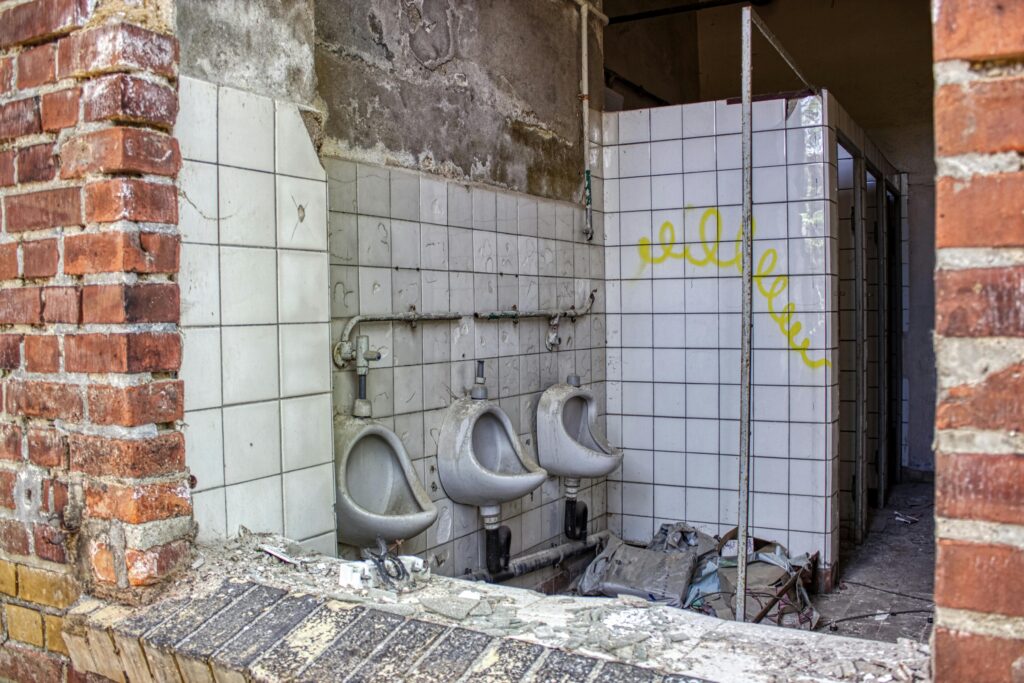
The bathroom is one of the most honest rooms in a restaurant. Customers use it. Employees use it. Managers know people see it. If it still looks dirty, smells foul, lacks soap, has overflowing trash, or has wet floors that go unaddressed, we should treat that as a serious warning sign.
A neglected bathroom raises a bigger question: if the restaurant ignores a space every guest can inspect, what happens in areas guests cannot see? We should not expect luxury marble or fancy hand towels. We should expect soap, working sinks, toilet paper, clean floors, and a basic sense that the room is checked often. A restaurant does not need to be expensive to be clean.
An Empty Dining Room During Peak Hours
Every restaurant has slow days, quiet seasons, and unlucky weather. Still, a nearly empty restaurant at a time when similar places are packed should make us pause. If it is Friday night, the neighborhood is active, and the dining room feels abandoned, there may be a reason locals are choosing somewhere else.
Crowds are not always proof of quality, and some hidden gems deserve more attention than they get. Even so, we should read the room carefully. Are the few diners eating happily, or do they look disappointed? Are tables set with care, or does the place feel lifeless? An empty restaurant can be peaceful, but it can also signal poor reputation, inconsistent food, high prices, poor service, or freshness problems caused by slow ingredient turnover.
Specials That Feel Like Leftovers in Disguise

Daily specials can be wonderful. They can show creativity, seasonality, and smart use of fresh ingredients. The red flag appears when specials sound vague, suspiciously cheap, or strangely similar to ingredients that seem close to the end of their life. If the fish special feels forced, the soup tastes tired, or the server cannot describe why the dish is being featured, we should pay attention.
Restaurants do need to manage inventory, and using ingredients wisely is not a problem. The issue is when “special” becomes a polite way of saying “we need to move this quickly.” We should look for specials that feel intentional: seasonal produce, limited fresh seafood, a chef-driven dish, or a regional recipe. A real special should feel like an opportunity, not a rescue mission for aging stock.
Visible Pests Anywhere in the Restaurant
One fly may fly near an open door. A pattern of flies, roaches, ants, gnats, or rodents is another matter entirely. If we see pests near tables, walls, bathrooms, drink stations, or food service areas, we should take them seriously. Pests can signal sanitation problems, storage issues, moisture problems, trash mismanagement, or structural gaps.
The location matters too. A fly near a patio door is different from roaches near the kitchen entrance. Gnats around drains or bar mats may suggest cleaning issues. Ants near sugar or syrup stations may indicate poor sealing and wiping practices. We do not need to inspect the building as health officials do. We only need to respect what we can see.
A Musty Smell Near the Dining Area
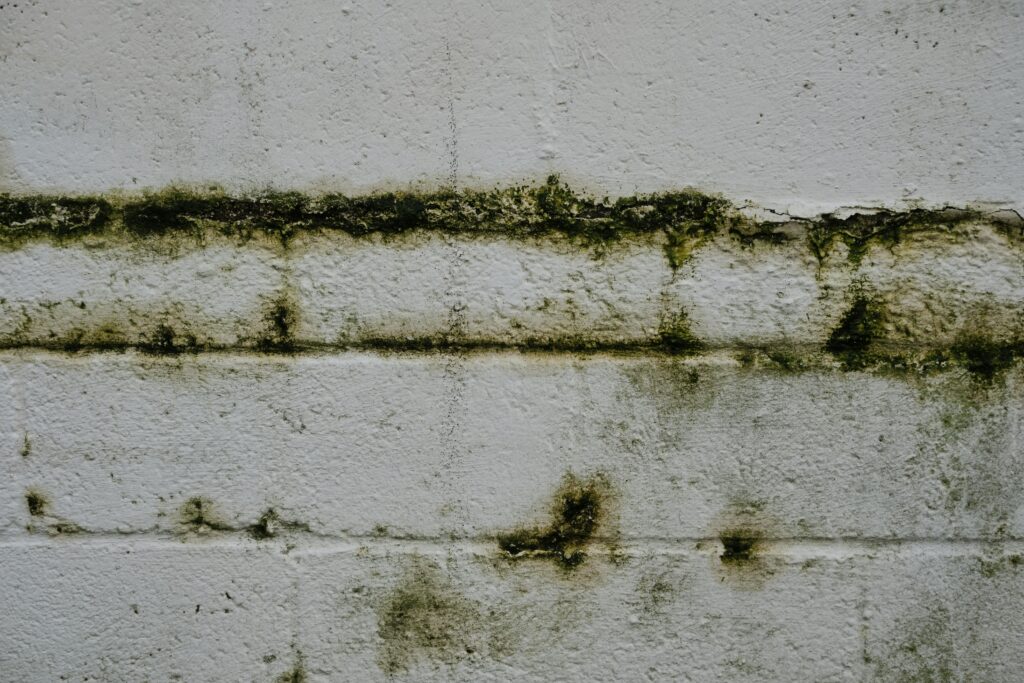
Musty odors warrant attention because they can indicate moisture, mold, poor ventilation, dirty carpets, old upholstery, clogged drains, or water damage. A restaurant may look stylish at first glance, but its smell can reveal what its décor hides. If the air feels damp, sour, or stale, we should not brush it off as part of the building’s “character.”
Dining rooms need fresh air and clean materials. A musty smell can cling to fabric booths, curtains, rugs, ceiling tiles, or poorly maintained air systems. That odor may not mean the food itself is unsafe, but it does suggest the environment is not being maintained properly. Restaurants serve an experience, and air quality is part of that experience.