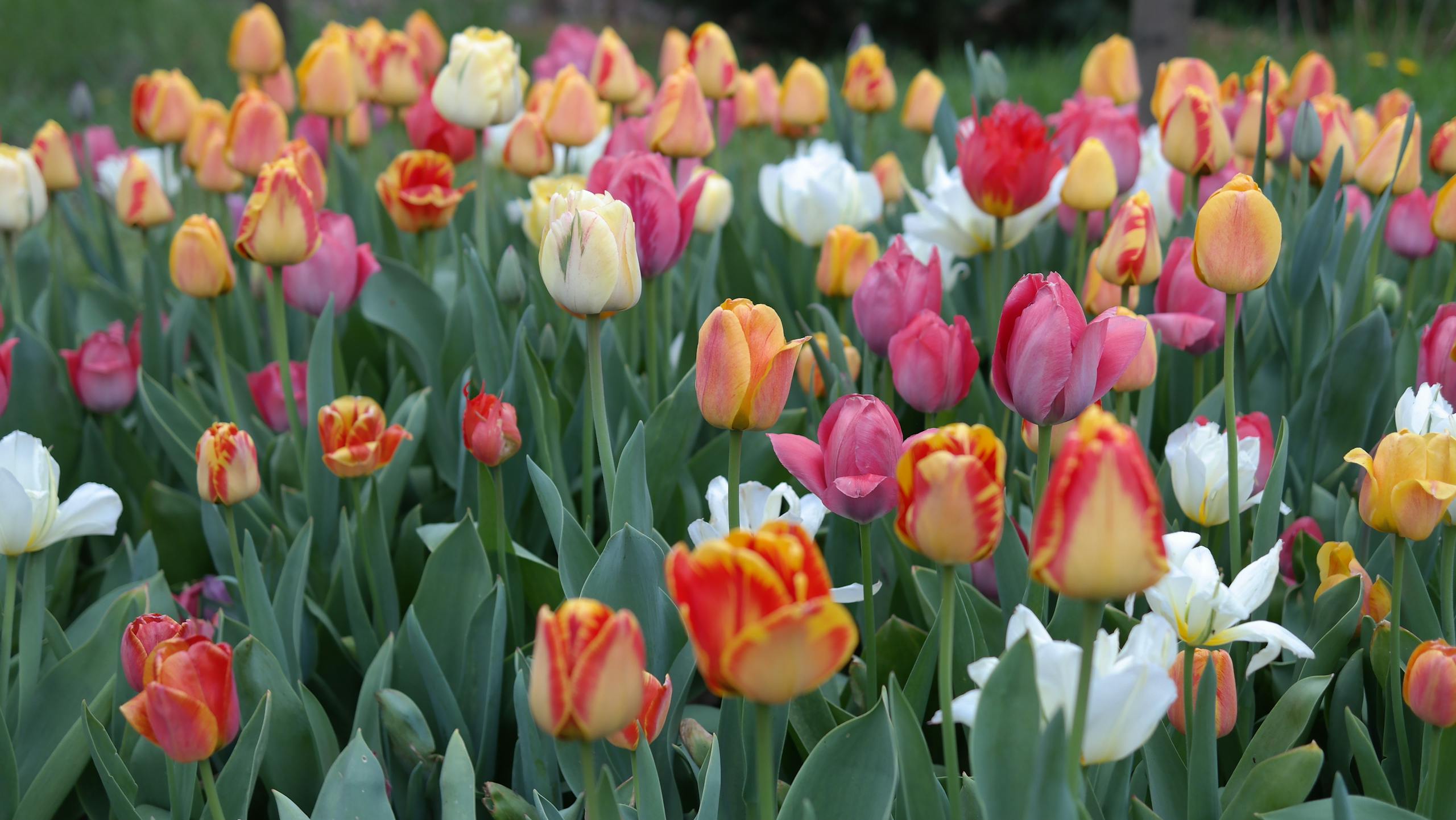
Bees and butterflies follow the scent of nectar, the pull of pollen, and the promise of plants that help them thrive. These pollinators play a crucial role in healthy ecosystems and in growing so many of the fruits and vegetables we depend on. When you invite them into your garden, you’re helping both them and your plants flourish side by side.
If you want more wings fluttering through your space, it starts with choosing plants that meet their needs. Here are 16 reliable favorites that bees and butterflies can’t resist.
Marigold

Marigolds are bright, sun-loving flowers that earn their place in the garden. Their bold color and nectar-rich blooms attract bees, while their scent helps deter pests, making them both useful and beautiful.
Goldenrod
Goldenrod glows with yellow flowers that act like a signal for bees. This tough plant adapts well to different conditions and provides an important nectar source later in the season.
Black-Eyed Susan
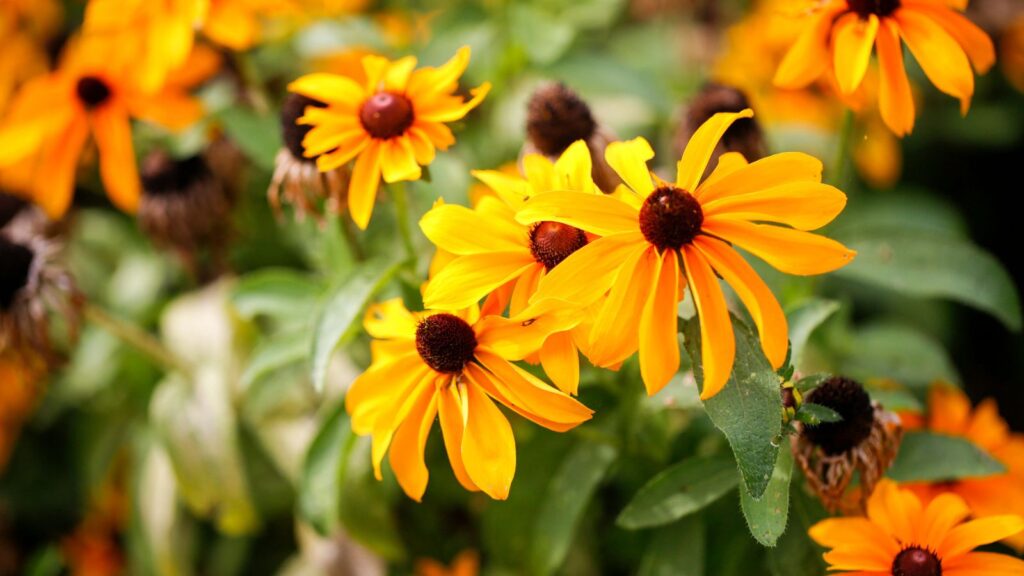
With golden petals and a dark center, Black-eyed Susans stand out in any garden. Their open flowers make nectar easy for bees to reach, keeping pollinators coming back.
Butterfly Bush
Butterfly bush produces long, fragrant flower clusters filled with nectar. Butterflies flock to it, and bees follow close behind throughout its extended bloom period.
Geranium
Geraniums offer steady color and generous blooms. Butterflies are especially drawn to them, and they grow just as well in containers as in garden beds.
Phlox
Phlox blooms in colorful clusters and releases a sweet fragrance that bees love. Its long flowering season ensures a dependable nectar source.
Blazing Star
Blazing star sends tall spikes of purple flowers upward, drawing in butterflies with ease. It also adds height and texture to sunny garden spaces.
Shasta Daisy

Shasta daisies bring a simple, classic charm. Their white blooms attract butterflies while keeping the garden light and welcoming.
Zinnias
Zinnias are easy to grow and bloom all summer long. Bees rely on their steady nectar supply, making them a staple in pollinator gardens.
Cornflower
Often known as echinacea, cornflower produces sturdy blooms rich in nectar. Bees are drawn to it, and gardeners appreciate its low-maintenance nature.
Bee Balm
Bee balm lives up to its name with bold, fragrant flowers that attract bees, butterflies, and hummingbirds. It fills the garden with movement and color.
Sunflower
Sunflowers stand tall and bright, offering generous amounts of pollen and nectar. Bees gather eagerly around their large blooms.
Aster

Asters bloom in late summer and fall, providing bees with nectar when many other flowers have faded. They’re especially valuable as winter approaches.
Salvia
Salvia adds texture, color, and gentle fragrance. It thrives in sunny, well-drained soil and attracts pollinators with very little care.
Sage
Sage offers soft blooms and an herbal scent that butterflies enjoy. It’s drought-tolerant and easy to grow, making it a reliable garden plant.
Lavender
Lavender’s purple blooms and calming scent make it a favorite for gardeners and bees alike. It loves the sun, needs little water, and brings effortless beauty to the garden.