Starting a backyard garden in suburban America is an exciting and rewarding project that allows you to grow fresh produce, create a relaxing outdoor space, and even enhance your home’s curb appeal.
Whether you’re a seasoned gardener or just getting started, there are several key steps you can follow to ensure your backyard garden flourishes.
Assess Your Space and Plan

Before you start planting, take some time to evaluate your backyard space. Consider factors such as:
- Sunlight: Most plants need at least 6 hours of sunlight per day, so find the sunniest spots in your yard.
- Soil: Test your soil to determine its quality. You can use a simple soil test kit to check pH, drainage, and nutrient levels.
- Size: Start small and gradually expand your garden as you gain confidence and experience.
Choose the Right Plants

Select plants that are well-suited to your region’s climate and growing season. In suburban America, common garden plants include:
- Vegetables: Tomatoes, peppers, lettuce, cucumbers, and beans are popular choices.
- Herbs: Basil, parsley, rosemary, and thyme are easy to grow and perfect for small spaces.
- Flowers: Marigolds, sunflowers, and daisies can add color and attract pollinators to your garden.
Prepare the Soil
Good soil is the foundation of a successful garden. If your soil is poor or clay-like, consider amending it with compost or organic matter to improve its structure and fertility. Raised garden beds are also an excellent option for areas with poor soil or limited space.
Plan Your Garden Layout
Decide how you want to arrange your garden. Popular layouts include:
- Row gardening: Ideal for larger spaces, where plants are spaced in neat rows.
- Square-foot gardening: A compact method for small spaces where plants are grouped into square sections.
- Container gardening: Perfect for limited space or urban settings, where plants are grown in pots or containers.
Watering System

Make sure your plants receive enough water, especially during dry spells. You can choose from a variety of watering systems:
- Manual watering with a hose or watering can works for small gardens.
- Drip irrigation: A water-efficient system that delivers water directly to the roots of your plants.
- Soaker hoses: Ideal for larger garden beds, they provide a slow, steady flow of water.
Maintenance and Care
Consistent maintenance is key to a successful garden. Keep an eye on your plants for pests, diseases, and weeds. Regularly prune dead or overgrown plants and harvest crops when they’re ready to avoid overcrowding and promote new growth.
Mulch and Protect
Adding mulch around your plants helps retain moisture, reduce weeds, and regulate soil temperature. Organic mulch, such as shredded bark or straw, also breaks down over time, enriching your soil.
Enjoy Your Garden
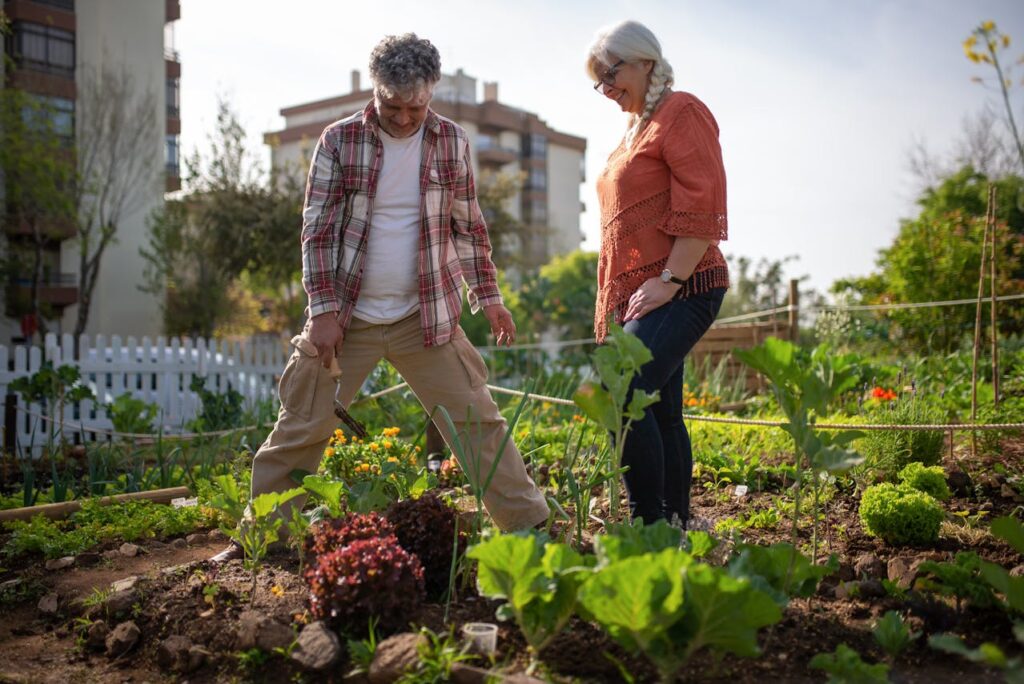
Once your garden is up and running, take the time to enjoy the fruits of your labor. Not only will you have fresh, homegrown produce, but your garden can also become a relaxing outdoor retreat for you and your family.