Most people check their bank account only when they need to know one thing: “How much is left?” That makes sense. Life is busy, bills are loud, and Money can feel stressful. But some banking habits quietly take money month after month.
The worst part is that these costs often look small. A fee here. A charge there. A missed alert. A forgotten transfer. By the time you notice, your account has been leaking Money for months.
Keeping Money in an Account With Monthly Fees
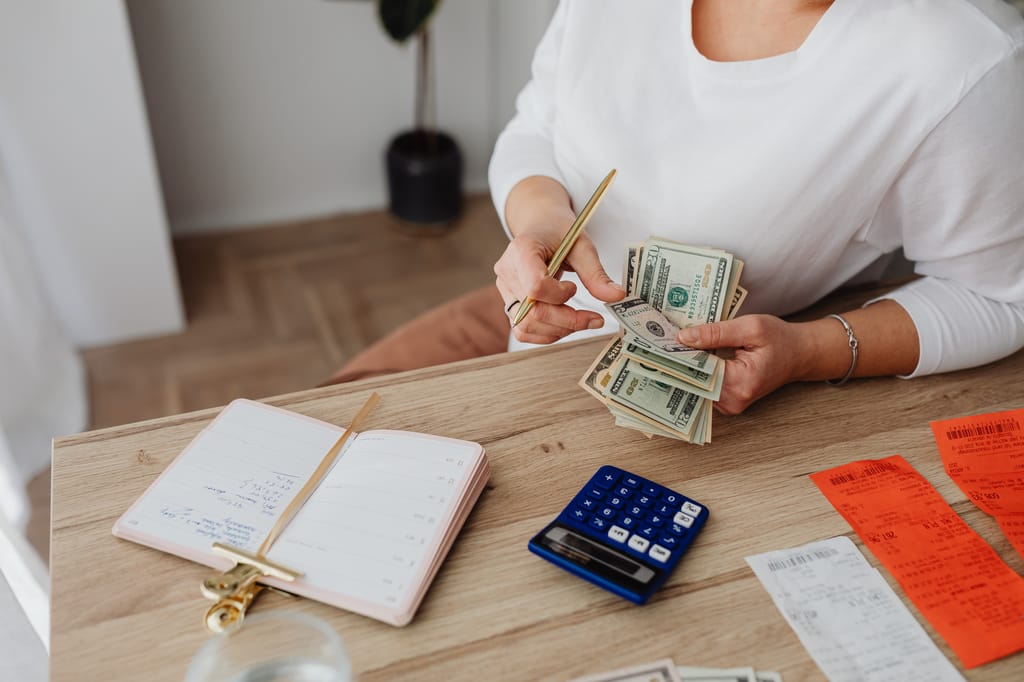
A monthly bank fee may look harmless because it is small. But paying for basic banking can become expensive over time. If your account charges you to hold your Money, that is Money leaving without helping you.
Many banks offer ways to avoid these fees. Some require a minimum balance, direct deposit, or a certain number of transactions. Others offer no-fee accounts. It is worth checking, because a quiet monthly fee can turn into an annual waste.
Ignoring Overdraft Charges
Overdraft fees can hit hard. They happen when you spend more than what is in your account, and the bank covers the payment. That may sound helpful, but the fee can make a small mistake much bigger.
The safer option is to enable low-balance alerts. You can also link a savings account or turn off overdraft protection if your bank allows it. The goal is simple: do not let a $5 mistake become a $35 problem.
Using Out-of-Network ATMs
An ATM fee can feel like the price of convenience. You need cash, the machine is right there, and you use it. But out-of-network ATMs can charge you twice, once from the ATM owner and once from your own bank.
That adds up fast if you withdraw cash often. Use your bank’s app to find free ATMs nearby. Planning for cash can save more than people expect.
Letting Automatic Payments Run Wild
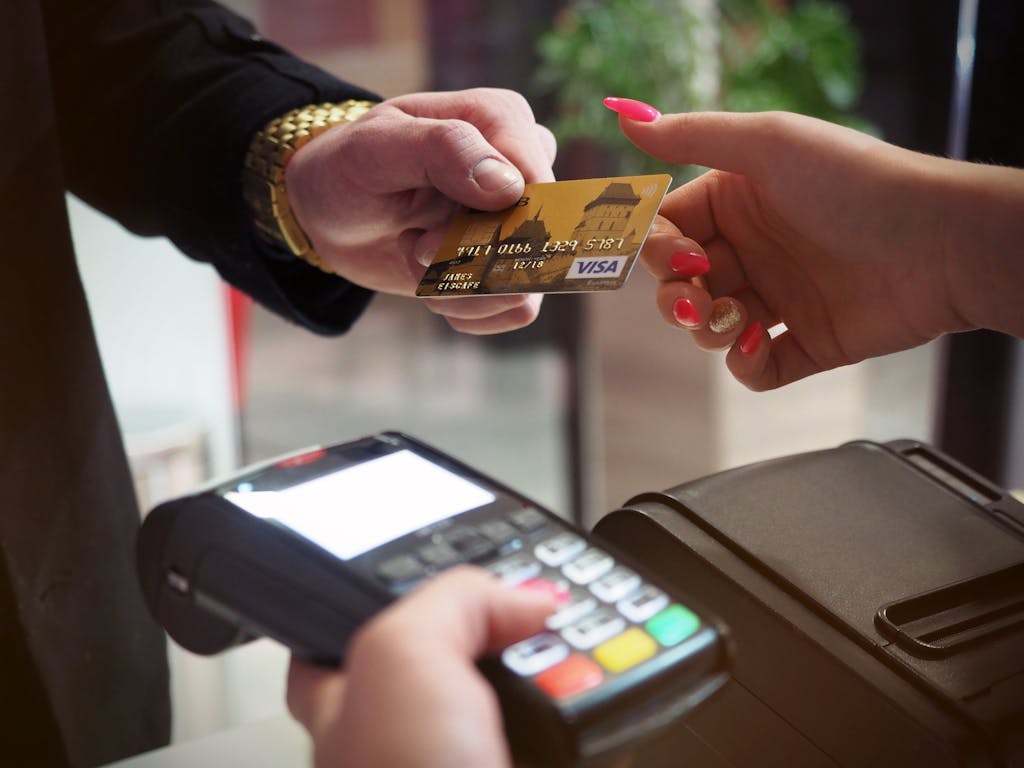
Autopay can be useful. It helps you avoid late fees and missed bills. But it can also hide charges you no longer need. Streaming apps, gym memberships, insurance add-ons, cloud storage, and trial services can keep pulling Money while you barely notice.
Check automatic payments once a month. Ask one question for each charge: “Do I still use this?” If the answer is no, cancel it. Your bank account should not be a storage room for forgotten bills.
Leaving Savings in the Wrong Account
Some people keep all their savings in a regular checking account. That feels easy because the Money is close. But it may earn little or nothing, leaving your savings sitting still.
Emergency money should be kept safe and easily accessible. But extra savings may be better placed in an account that earns higher interest. You do not need risky moves to make smarter choices. Sometimes, simply moving Money to the right account helps it work harder.
Not Reading Bank Statements

Danil Rudenko/Vecteezy
Bank statements are boring, but they matter. They can show wrong charges, double charges, fees, subscriptions, and spending patterns. Ignoring them gives small problems more time to grow.
You do not need to study every line for an hour. Just review your statement once a month. Look for charges you do not recognize and fees you can avoid. That simple habit can protect your Money and your peace of mind. You cannot only protect, but there are tips to help you save your money
Staying With the Same Bank Without Comparing
Many people stay with the same bank for years because switching feels like a hassle. That loyalty can cost Money if your bank charges higher fees, offers low interest rates, or provides fewer useful tools. Banks count on customers staying out of habit.
Every year, compare your account with other options. Look at fees, ATM access, interest rates, customer service, app features, and account rules. You do not have to switch every time. But you should know if your bank is still earning your business.
Key Takeaway
Banking mistakes do not always look dramatic. They often hide inside small fees, forgotten payments, weak savings rates, and habits nobody questions. That is why they can quietly drain your Money without setting off alarms.
The fix is not complicated. Check your fees, review your statements, monitor automatic payments, use free ATMs, and compare banks once in a while. Your Money should help your life, not disappear through tiny cracks.