Here’s a surprise most shoppers miss organic does not equal wholesome, low-sugar, or lightly processed. The USDA organic label covers how ingredients are produced. Multi-ingredient products may be labeled “organic” (95% organic) or “made with organic” (70%), but that label doesn’t erase added sugars, sodium, saturated fat, or large portions.
Harvard nutrition experts say some ultra-processed foods are linked to worse health. The FDA and American Heart Association urge you to check the Nutrition Facts panel for sodium, added sugars, and saturated fat, not just the front label. That’s why these 10 processed organic foods deserve a closer look before they land in your cart.
Organic Breakfast Cereals Can Be Sugar Traps
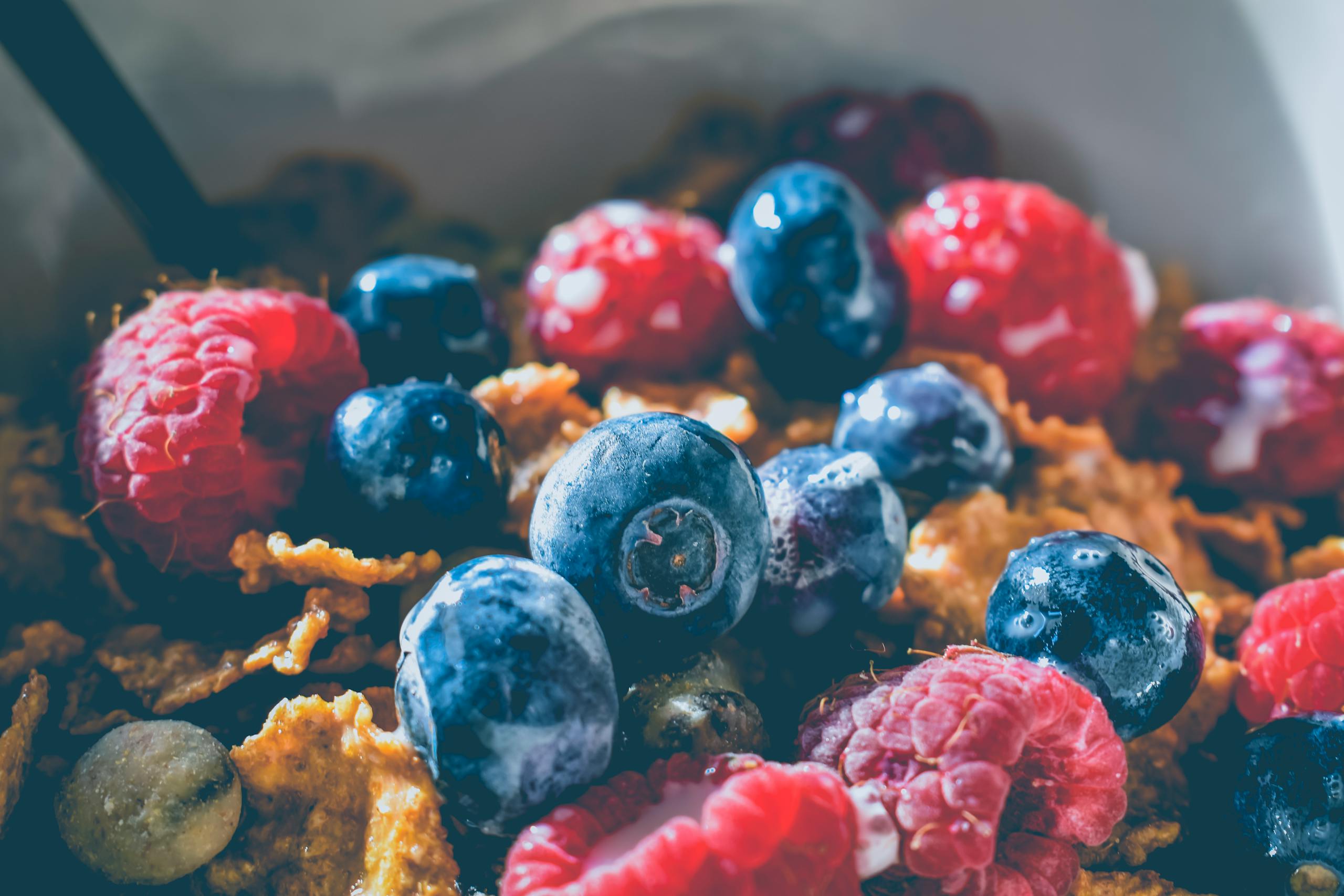
The breakfast ambush is that many organic cereals project a clean, earthy image while quietly serving up dessert-level added sugar. Even when grains sound wholesome, sweeteners can send a single bowl near your daily sugar limit—especially if you pour a generous serving.
The Dietary Guidelines say added sugars should be less than 10% of daily calories, and the AHA recommends even stricter limits. So, an “organic” box can still begin your day on a very sugary note.
Organic Granola Bars Can Be Tiny Candy Bars in Disguise
The lunchbox illusion of organic granola bars seem healthy but often rely on syrups and sweeteners for concentrated calories. Their size is deceptive; one small bar feels harmless, but it can quickly add up.
Calories and nutrients are tied to serving size, reflecting what people eat—not what’s best for them. That little bar can easily become a sugary habit.
Organic Fruit Snacks Can Still Be Ultra-Processed Sweets
The fruity cake takeout is that organic fruit snacks often sound like a produce substitute, but many are still highly processed sweets with added sugar. A package covered in pictures of berries can make people forget they are buying a shelf-stable, candy-like product, not fresh fruit with intact fiber and water.
Many packaged sweets fall into the ultra-processed category, which is most associated with poorer metabolic health. So, the danger is not the word “organic”; it is the polished illusion that sugar somehow became fruit again.
Organic Chips Can Turn “Natural” Into a Sodium Problem
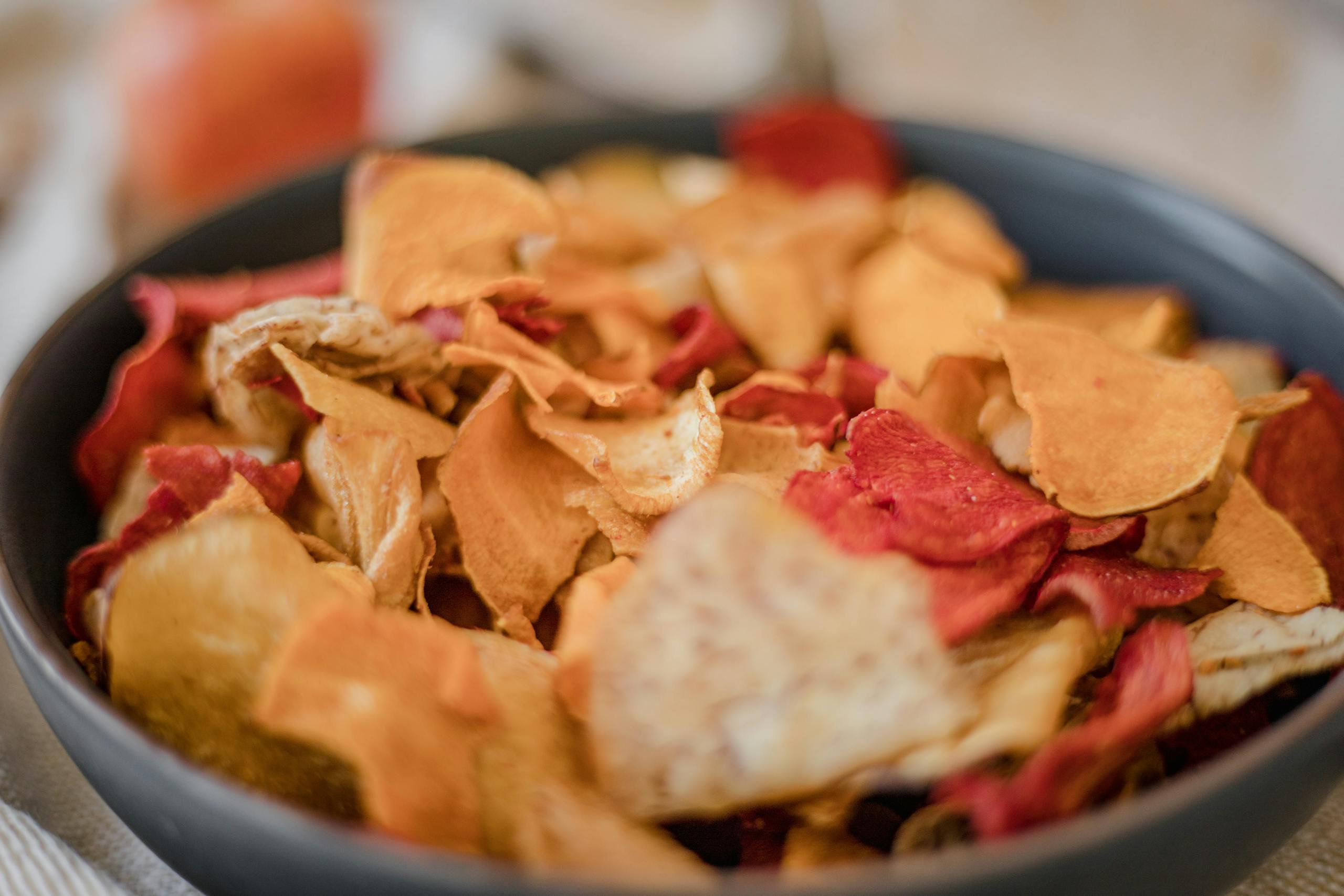
Organic chips may skip some ingredients shoppers dislike, yet they can still be loaded with sodium and easy to overeat. Salted snack foods are among the ultra-processed products Harvard experts’ flag as particularly rough on metabolic health, and the FDA says adults should stay under 2,300 milligrams of sodium a day.
Because chips are light, crispy, and mindlessly snackable, one serving can turn into several. Suddenly, that innocent organic bag looks a lot less innocent.
Organic Cookies Can Wear a Health Halo They Do Not Deserve
Once a cookie says organic, many people mentally downgrade it from treat to smart choice. But cookies can still be rich in added sugars, refined ingredients, and saturated fat, even when the flour and sweeteners meet organic rules.
The AHA recommends limiting saturated fat and added sugars, and packaged sweets are among the easiest ways to overshoot both. In other words, an organic cookie is still a cookie, just dressed in calmer colors.
Organic Flavored Yogurt Can Hide a Dessert-Level Sweetness
The creamy curveball is that organic yogurt sounds like one of the safest choices in the store, until flavorings and sweeteners pile on. Yogurt itself can be nutritious, but flavored versions often carry enough added sugar to change the entire nutritional picture.
Ultra-processed foods are not all equally harmful, and sweetened dairy products can vary widely, which is why the label matters more than the halo. A cup that looks like a health food can slide into dessert territory very fast.
Organic Frozen Meals Can Freeze Good Intentions in Salt
Frozen dinners that are perceived to be organic, offer convenience and clean ingredients but often rely on sodium to enhance flavor and extend shelf life.
Frozen entrees and microwavable meals as ultra-processed, especially unhealthy when high in salt, sugar, or saturated fat. The FDA notes that one packaged meal can account for much of the daily sodium limit. The danger hides in convenience: one meal, more salt than expected.
Organic Soda and Sweetened Drinks Can Be Liquid Sugar With Better Branding
Organic soda may sound cleaner than regular soda, but your body still metabolizes it as a sweet drink. The AHA says sugar-sweetened beverages are the largest source of added sugars in the American diet, and experts single out sweetened beverages as among the worst ultra-processed choices for metabolic health.
Because liquids do not feel as filling as solid food, it is easy to drink a lot of sugar quickly. A prettier label does not make liquid sugar gentle.
Organic Ice Cream Can Pack Saturated Fat and Portion Creep
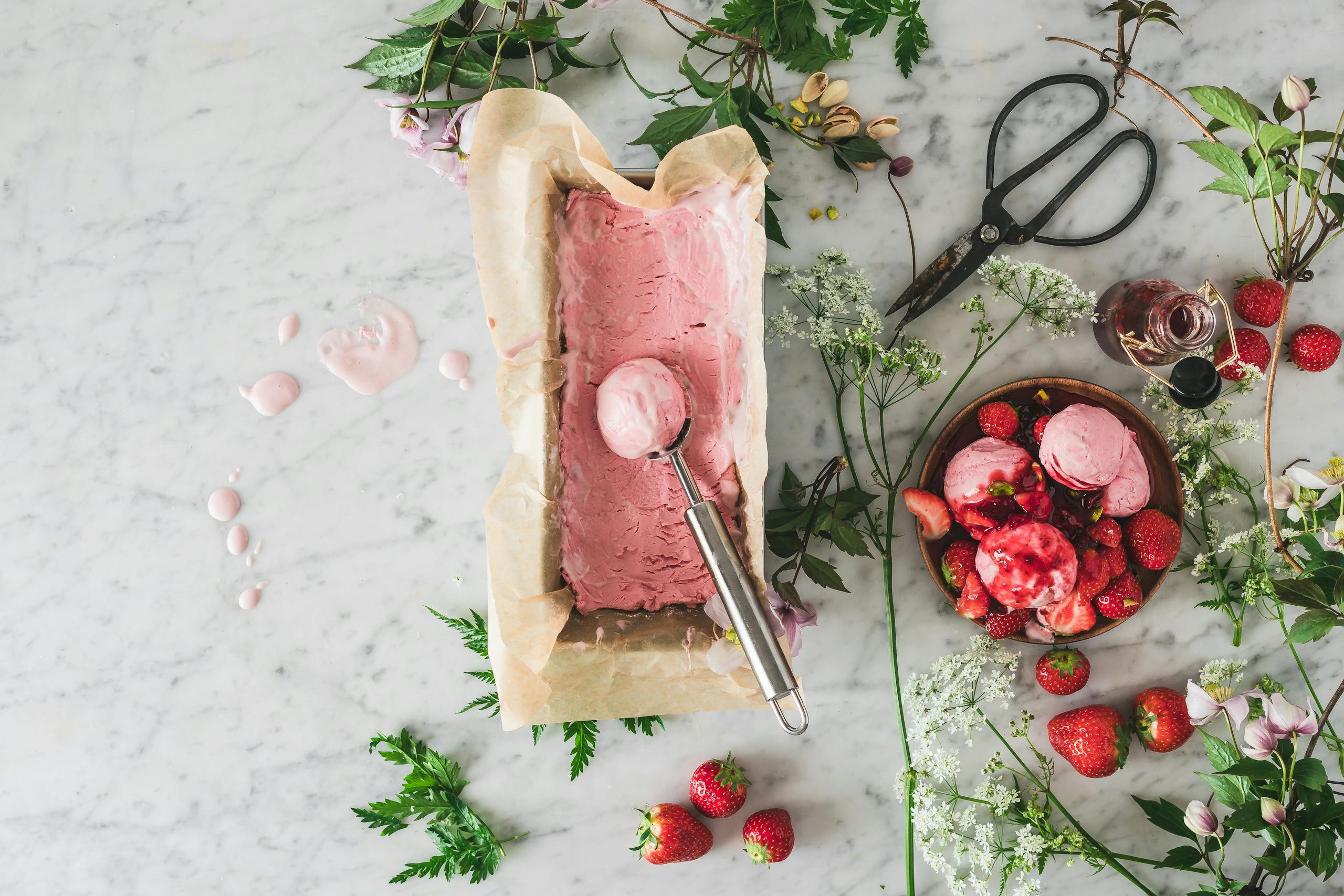
Organic ice cream often gets treated like a cleaner indulgence, but indulgence is still the keyword. The FDA notes that serving sizes on labels reflect what people typically consume, and for products like ice cream, that serving may already be larger than many people assume.
Add saturated fat and sugar, and a casual bowl can quickly become a serious hit to your daily totals. The danger is not a spoonful of pleasure; it is the way “organic” invites bigger, less careful portions.
Organic Crackers and Cheese Snacks Can Masquerade as Everyday Safe Foods
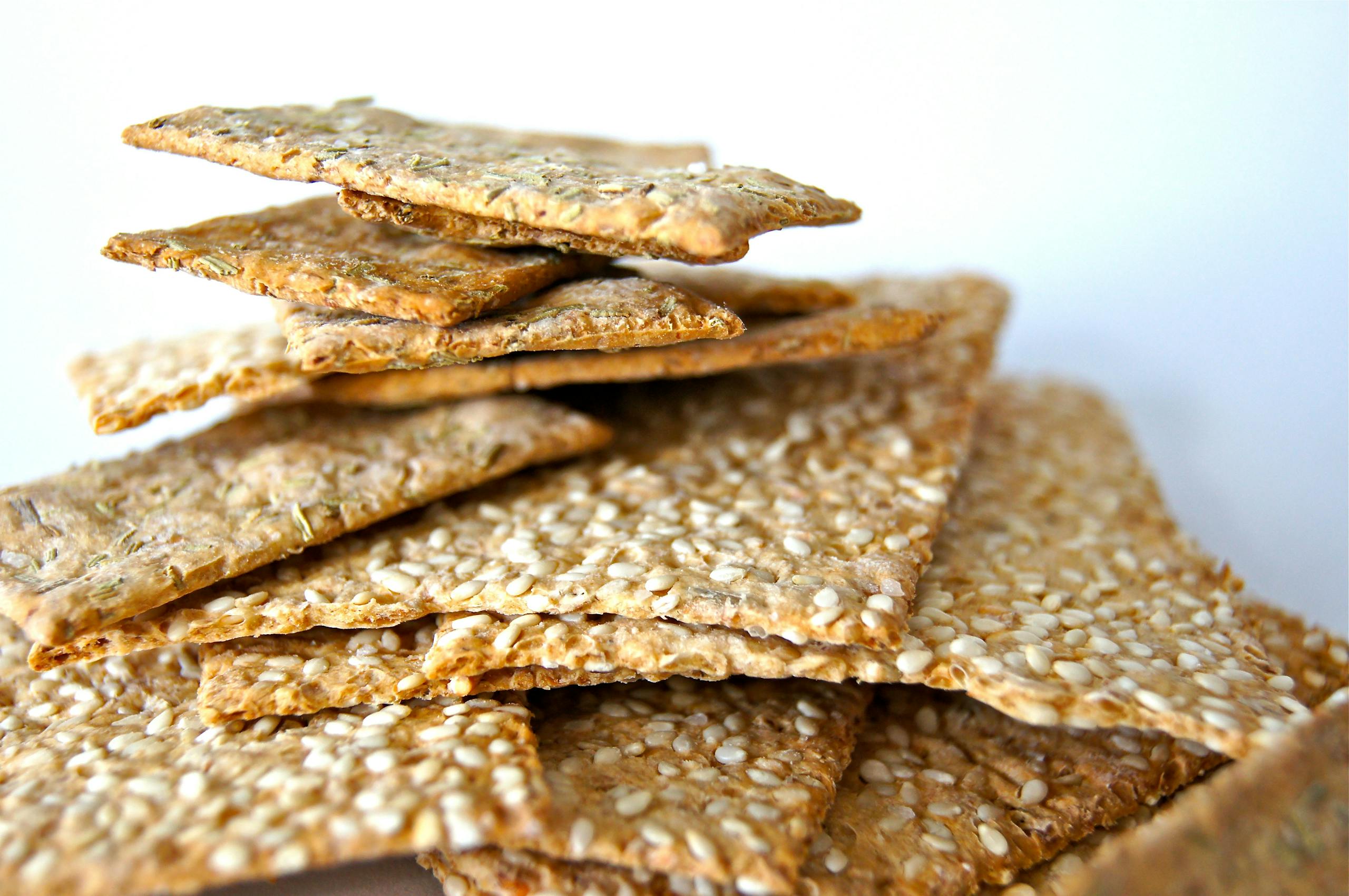
Organic crackers, sandwich bites, and cheese snacks seem safe but can hide sodium, refined starches, and saturated fat.
These foods are often eaten mindlessly—at desks, in cars, or straight from the box. The AHA advises reading labels for sodium, sugars, and saturated fat. The shock isn’t their existence—it’s how easily they slip into routines unexamined.
Conclusion
The danger in processed organic food is not the word ‘organic’ itself, but the false sense of safety it creates. USDA rules indicate production standards, but don’t guarantee the item is low in sugar, sodium, saturated fat, or calories.
Here is some advice: trust the back of the package more than the front. So when an organic snack looks angelic on the shelf, read it like a detective before eating it like a believer.