What do caviar, lobster, and sushi all have in common? They weren’t always the luxurious delicacies we now associate with wealth and privilege. In fact, these foods once filled the plates of the poor, offering sustenance during difficult times when scarcity was the norm. Through clever reinvention and changing tastes, what began as humble survival rations has been elevated to gourmet status, commanding top dollar at the finest restaurants around the world.
The story of how these foods rose from the bottom to the top is a testament to the power of food, culture, and perception. Let’s dive into the fascinating transformations of 10 foods that went from poverty staples to the most sought-after dishes in today’s dining world.
Polenta
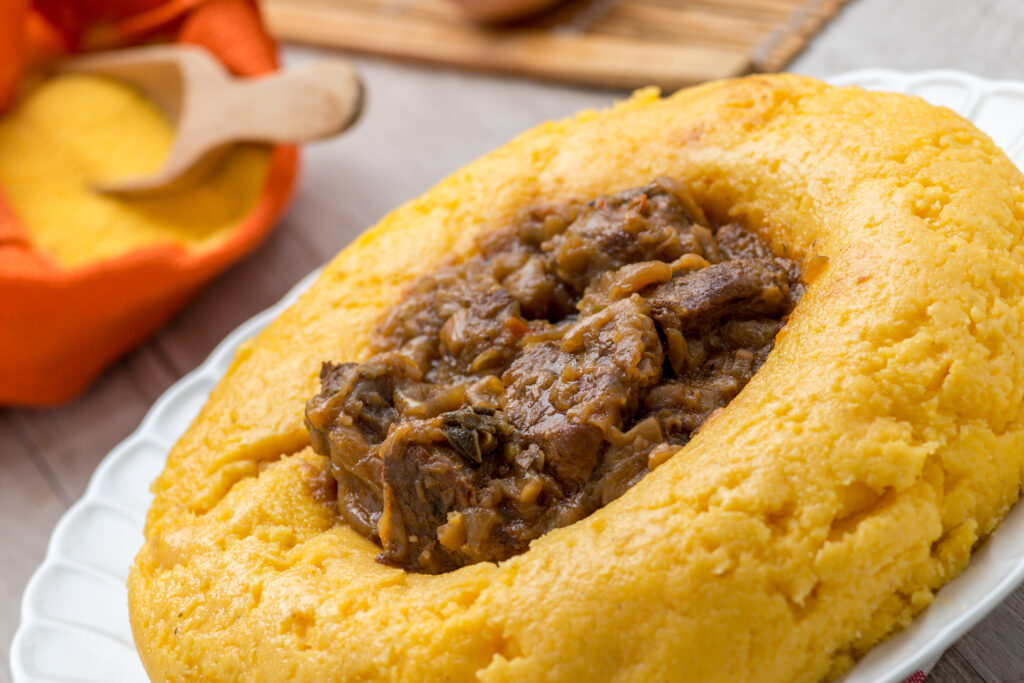
Polenta now appears in elegant Italian restaurants, but it began as a lifeline for poor families in northern Italy. Once corn arrived from the Americas, it spread quickly because it could survive in rough soil where more desirable crops struggled. For generations, peasants filled their stomachs with little more than this simple cornmeal mush because wheat and meat were far beyond their reach.
That dependence came with a painful downside, since badly processed corn contributed to pellagra and made polenta feel linked to suffering as much as survival. Its image only changed when cooks began stirring in butter, cream, and Parmesan, transforming it from a bare necessity into rich comfort food. Today, it is served with braised meats and truffles, even though its roots lie in hunger, scarcity, and social stigma.
Sushi
Sushi may now be associated with polished counters and expensive omakase menus, yet its earliest purpose was practical rather than glamorous. In ancient Japan, fish was packed in fermented rice to keep it longer, and the rice itself was often discarded once preservation was complete. What began as a method of avoiding spoilage was simply a useful food system for ordinary laborers and villagers.
Later, during the Edo period, sushi evolved into cheap street food that workers could grab quickly and eat with their hands. Its rise into the luxury world came much later, once refrigeration improved and high-quality raw fish became part of a global culinary obsession. The result is one of the sharpest image makeovers in food history, from practical preservation to one of the most refined meals money can buy.
Caviar
Caviar now signals wealth, but it was once so common in Russia that it hardly seemed special. Sturgeon were abundant, their eggs spoiled quickly, and the roe was treated as an inexpensive salty snack for ordinary workers who spread it on black bread. In the United States, it was even handed out in saloons for free, much the way bars might set out peanuts today.
Its status rose when aristocrats embraced it, and scarcity began doing what branding alone never could. Overfishing and pollution slashed sturgeon populations, making what was once ordinary suddenly rare and desirable. That mix of elite approval and environmental decline helped transform caviar from bar food into one of the most expensive bites in the world.
Quinoa
Quinoa is sold today as a premium health food, but it spent centuries being looked down on as the grain of poor Indigenous farmers in the Andes. Before colonization, it was deeply valued in the Incan world, yet Spanish rule pushed it aside in favor of European crops like wheat. That shift made quinoa feel less like a noble staple and more like a marker of poverty and exclusion.
Even so, Andean communities kept it alive when more powerful groups dismissed it as backward or low status. Then the global wellness boom arrived, and suddenly quinoa was praised for being gluten-free, protein-rich, and trendy enough for upscale grocery aisles. In a bitter twist, the same food that once sustained poor farmers became expensive enough to drift away from the people who preserved it.
Lobster
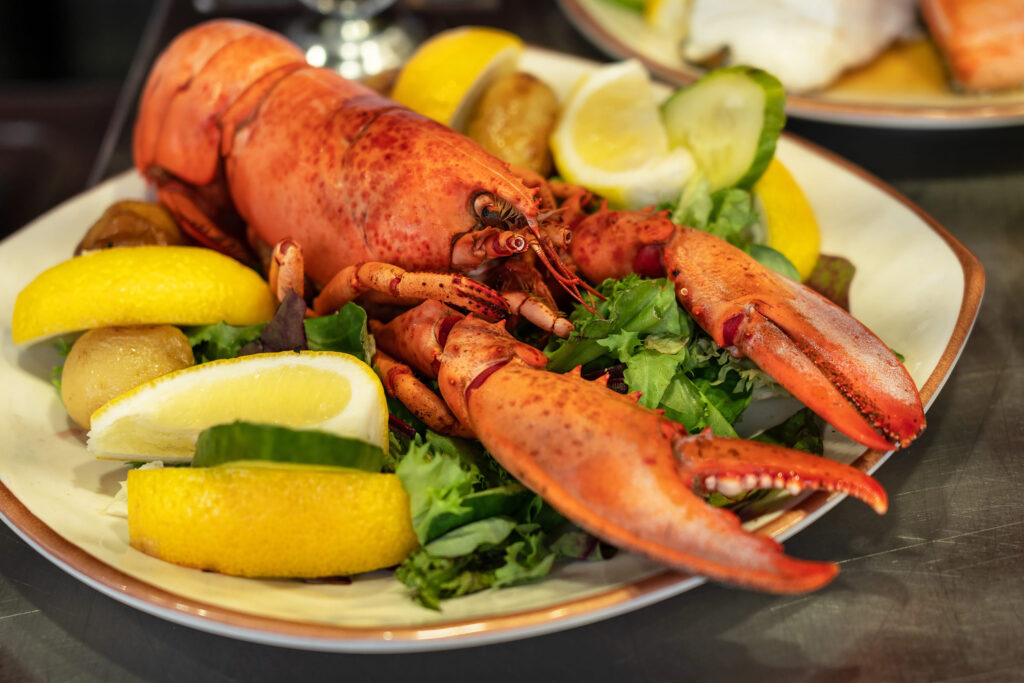
Lobster may look like a luxury centerpiece today, but in colonial New England, it was often treated as a nuisance. The creatures were so plentiful that they washed ashore in huge piles, and people compared them to sea insects rather than prized seafood. Their reputation was so poor that they were fed to prisoners, used as fertilizer, and seen as proof that a household had little else to eat.
The turnaround began when canning and rail transport carried lobster inland to people who had no idea it was considered low-class on the coast. Served with butter and distant from its rough reputation, it suddenly felt novel and worthy of admiration. By the time supplies tightened and tastes changed, lobster had completed its climb from prison fare to status symbol.
Bouillabaisse
Bouillabaisse began as a fisherman’s solution to an old problem: what to do with the bony, spiny fish nobody wanted to buy. In Marseille, leftover rockfish and scraps were boiled with seawater, garlic, and herbs to make a filling meal after the market closed. It was a practical pot of leftovers, not a polished recipe designed to impress anyone.
Its transformation happened when tourists and chefs started seeing charm where workers once saw necessity. Saffron entered the pot, service became more formal, and the dish was elevated into a culinary emblem, with standards and prestige attached. Once a beachside scrap soup, it is now a protected classic that can command a very high price.
Oysters
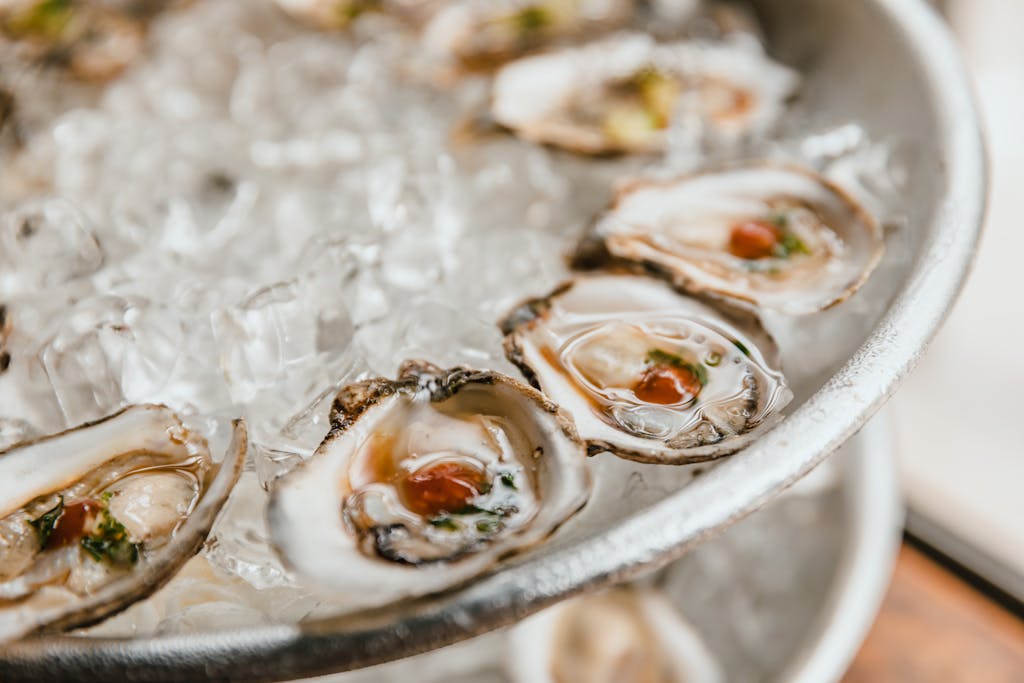
In the nineteenth century, oysters were a daily staple for working people in cities like New York and London. They were sold cheaply on street corners, packed into pies, and eaten in noisy oyster cellars by laborers who needed protein without paying beef prices. Far from being celebratory food, they were among the most ordinary things a poor urban worker could eat.
That abundance did not last because overharvesting and dirty industrial waterways devastated oyster beds. As supply shrank and risk increased, oysters lost their identity as cheap filler and gained a new one as a polished, expensive indulgence. Now they arrive on ice with a sense of occasion, even though they were once as casual as a quick lunch on a crowded street.
Bird’s Nest Soup
Bird’s Nest Soup sounds extravagant for a good reason, but its earliest use was much more grounded and practical. People living near swiftlet caves in Southeast Asia harvested the nests because they offered nutrition and were believed to help with health problems, especially when other resources were limited. For local communities, this was less about luxury and more about making use of what nature placed within reach.
Everything changed once the soup entered elite Chinese dining culture and became tied to beauty, health, and high status. The danger of climbing cave walls to collect the nests only added to the dish’s mystique and helped justify its rising price. Today, a food once gathered as a functional supplement has become a global luxury industry with enormous commercial value.
Bluefin Tuna
Bluefin tuna now sells for astonishing prices, yet for much of its history, it was treated as second-rate. In early twentieth-century Japan, its fatty flesh spoiled too quickly, looked unappealing, and failed to match the era’s preference for leaner fish. Some of it ended up as fertilizer or cat food, which says everything about how little prestige it carried at the time.
The reversal came when technology and taste changed together. Flash-freezing, air travel, and a growing appetite for rich, fatty foods made bluefin’s buttery texture suddenly desirable rather than embarrassing. The very qualities that once made the fish undesirable are now the reason diners pay extraordinary amounts for the best cuts, especially toro.
Escargot
mikhailkayl/ 123RF
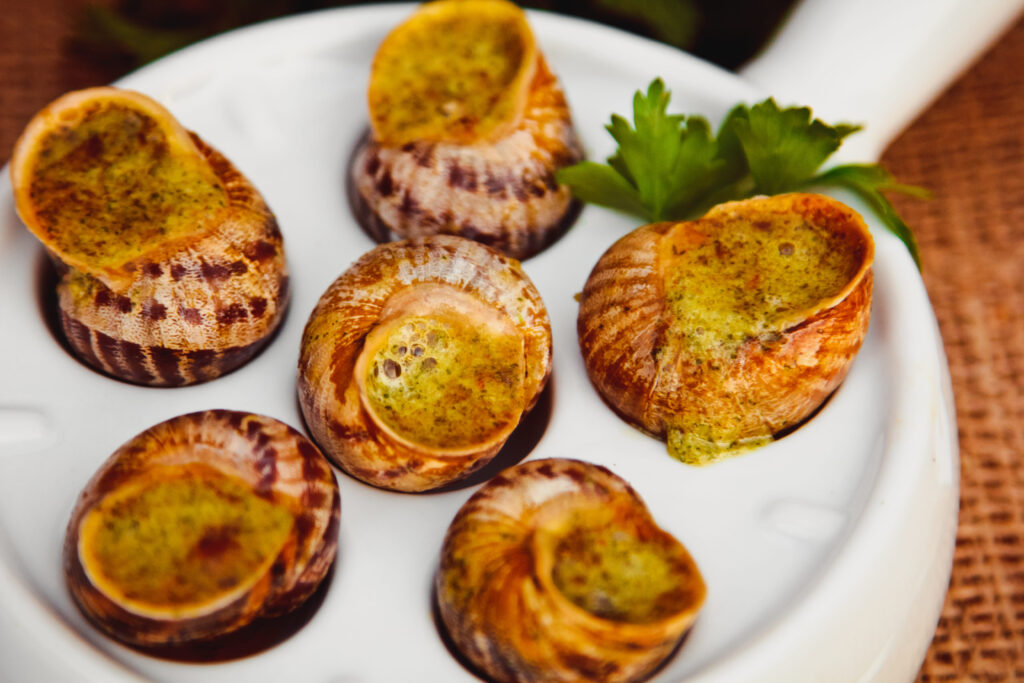
Escargot sounds refined now, but land snails once filled a very different role in rural France. Peasants gathered them because they were free, plentiful, and a source of protein when livestock or fish were too expensive to obtain. They were especially useful during Lent, when church rules made snails a convenient loophole for hungry people with limited options.
For a long time, there was nothing polished about the dish, because snails were boiled simply and eaten out of need rather than pleasure. Their fortunes changed when chefs dressed them up with butter, garlic, and parsley, turning a humble creature into a luxurious flavor carrier. Now the silver tongs and tiny forks feel almost theatrical, especially when you remember that escargot was once food picked straight from the dirt by the poor.