When winter storms and freezing temperatures arrive, many homeowners think it’s enough to just turn up the thermostat. The truth is that failing to prepare your home can lead to costly damage, energy waste, and dangerous living conditions. Taking the time to winterize now helps protect your property, prevents pipes from bursting, stops drafts that hike up your heating bill, and ensures your family stays safe and comfortable through the harsh months ahead. Below are 10 essential steps you should not skip to avoid disaster when cold weather strikes.
Failing to Do a Full Exterior Inspection

Before winter hits with its freezing winds and heavy snow, it’s critical to thoroughly inspect your home’s exterior walls, roofline, and foundation. Look for gaps in caulking, cracked seals around windows or doors, damaged siding, or signs of pests in attic spaces. Small cracks and breaks may seem harmless in mild weather, but can quickly let in bitter cold and moisture, leading to increased heating costs and interior damage if left unaddressed.
Neglecting Smoke and Carbon Monoxide Detectors and an Outage Plan
Winter storms can knock out power and increase heating appliance use, raising the risk of carbon monoxide buildup and fire hazards. Testing your smoke and carbon monoxide detectors ensures they work when you need them most. Additionally, having a plan and supplies for a potential power outage, including flashlights, blankets, and alternative heat sources, means you’re not caught off guard in dangerous conditions.
Ignoring Gutter Cleaning and Ice Dam Prevention
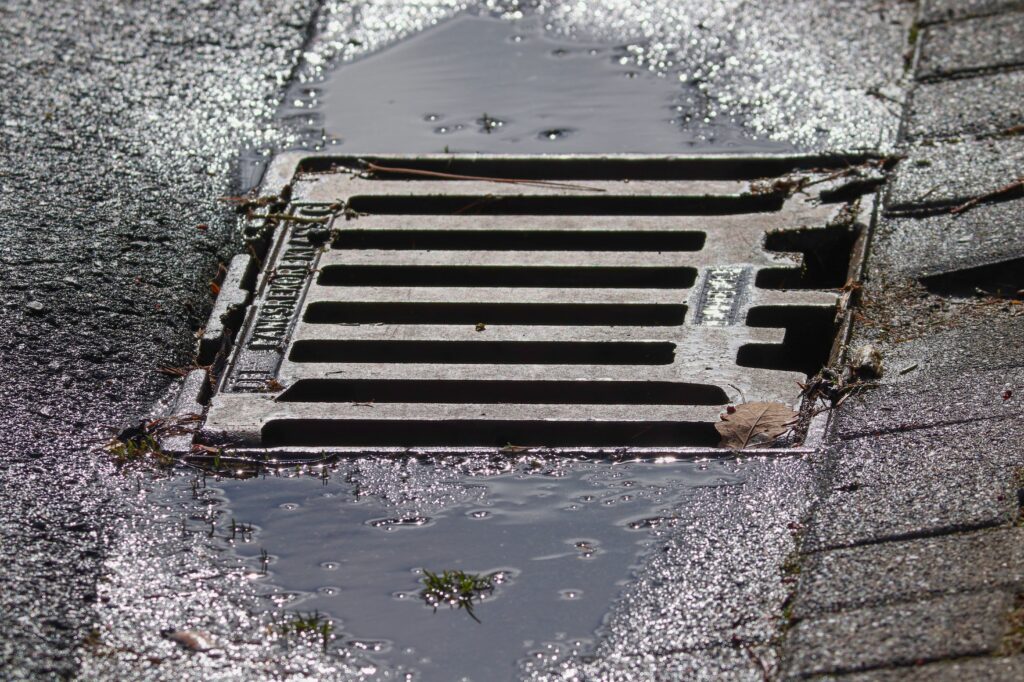
Clogged gutters full of leaves and debris aren’t just unsightly; they can lead to ice damming when temperatures drop. Ice dams form when water that should be draining off the roof is trapped and freezes, forcing it back under the roof shingles and into the walls. Clearing gutters before snow arrives prevents this damaging cycle and protects roof structures.
Skipping Routine Furnace and Heating System Maintenance
When furnace filters are dirty or the heating system isn’t functioning properly, your home will struggle to maintain a safe temperature. Ignoring maintenance increases the risk of breakdowns in extremely cold weather and also raises energy costs. Scheduling a professional inspection and changing air filters ensures your system is ready before temperatures plunge.
Overlooking the Need to Replace Caulk and Weatherstripping
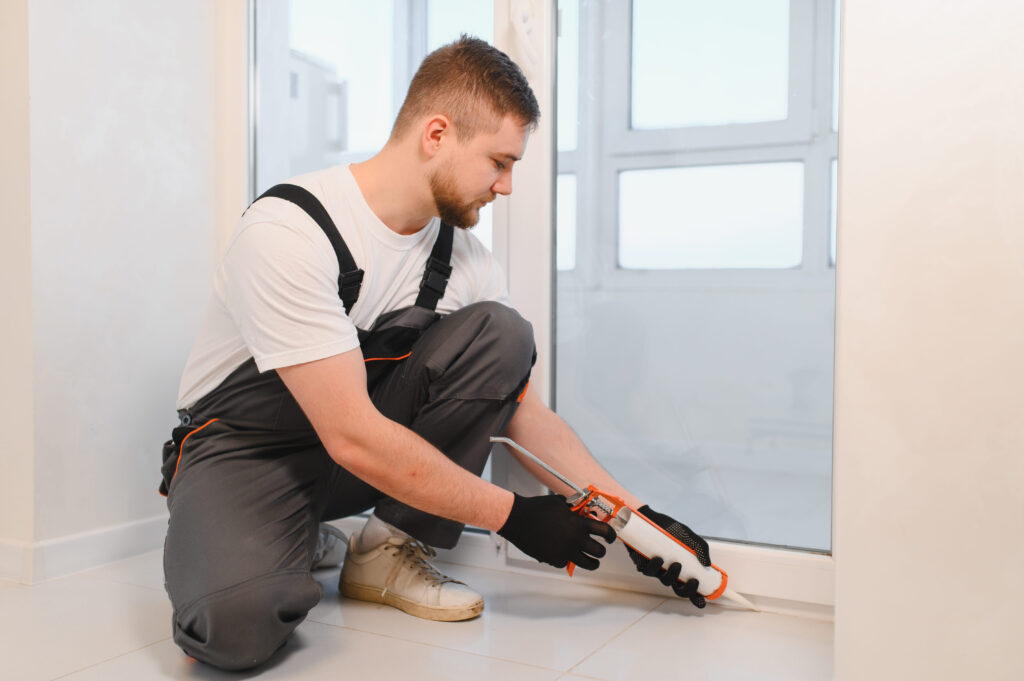
Old or missing caulk and weatherstripping around doors and windows create gaps that let frigid air seep in and warm air escape. This not only makes your home feel colder but forces your heating system to work harder, driving up energy costs. Replacing these seals is one of the simplest and most effective ways to tighten your home’s thermal envelope.
Forgetting to Insulate Vulnerable Pipes
Pipes running along exterior walls or in unheated spaces freeze first, and when water inside them freezes, it expands, often causing the pipe to crack or burst. Insulating these pipes with foam sleeves or heat tape helps keep water flowing and prevents expensive water damage. In extreme cold, letting faucets drip slightly overnight can also help keep water moving.
Misusing Ceiling Fans Instead of Reversing Them

Most people associate ceiling fans with summer cooling, but if you don’t reverse the blade direction in winter, you miss out on a simple way to circulate warm air that naturally rises to the ceiling. Running the fan clockwise on a low setting pushes warm air downward, improving comfort and reducing heating costs without extra energy use.
Forgetting to Shut Off Exterior Water Faucets
Outdoor hoses and faucets exposed to freezing temperatures can cause the water in connected pipes to freeze and expand, leading to split pipes and leaks that cause significant damage. Shutting off the water supply to exterior taps and draining residual water is a simple way to avoid plumbing disasters.
Not Swapping to Thicker Curtains or Window Treatments
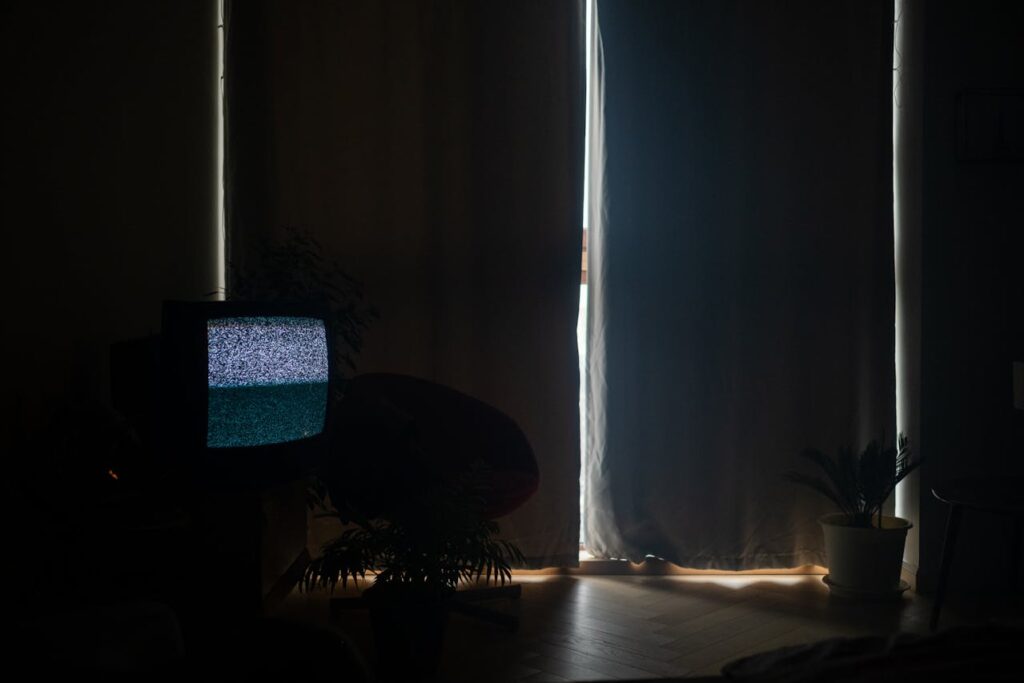
Light or sheer curtains may look nice, but they do little to block cold air that seeps through windows at night. Replacing them with thicker materials, such as velvet or insulated drapes, can significantly reduce heat loss and increase room comfort. Keeping curtains closed overnight further limits cold air infiltration.
Leaving Shovels, Ice Melt, and Snow Equipment Unprepared
Facing your first snowfall without reliable shovels or ice melt can turn a simple walk to your door into a hazard. Checking your snow removal tools, replacing broken equipment, and stocking up on ice melt ahead of time ensures you’re ready to handle snow and icy conditions safely when they arrive.
Conclusion
Cold weather and winter storms don’t have to turn into expensive emergencies or uncomfortable living situations. By properly preparing your home with the steps above, you protect your family’s safety, improve energy efficiency, and reduce the risk of damage that could otherwise go unnoticed until it’s too late. Taking proactive action now saves time, money, and stress when winter weather finally arrives.