We all eat food every day, but how often do we stop to think about what’s really happening behind the scenes of our meals? While we’re savoring that delicious bite, some foods are quietly harboring secrets that could shock us or even harm us.
From potentially deadly toxins to surprising health benefits, certain foods have hidden traits that are often overlooked. Let’s dive into some fascinating food secrets that you’ve probably never heard of and may change the way you eat forever.
Durian

Durian, often called “the king of fruits,” is notorious for its pungent, overwhelming smell. This tropical fruit has been banned in many public places across Southeast Asia due to its odor, which many find unbearable. While the smell is off-putting to some, its taste is unique, and many find it an acquired delight.
However, it’s not just the odor that makes durian special; it also contains compounds that block alcohol metabolism, making it dangerous when consumed with alcohol.
Lima Beans
Lima beans contain a naturally occurring toxin known as linamarin, which can release cyanide when consumed improperly.
While raw lima beans are toxic, cooking them thoroughly neutralizes the harmful compounds. Commercially available beans are regulated to ensure they contain minimal cyanide, and when properly cooked, lima beans are a safe and nutritious addition to any meal.
The important takeaway here is to always cook lima beans thoroughly before eating them.
The Forgotten Tragedy of Corn and Pellagra
Corn has been a staple for centuries, but a crucial step in its preparation was lost when it spread to Europe and Africa. Native Americans used a method called nixtamalization to unlock essential nutrients in corn, including niacin.
Without this process, people relying solely on corn as a diet staple developed pellagra, a niacin deficiency leading to serious health problems.
This historical oversight caused widespread suffering until the correct preparation method was rediscovered.
The Surprising Role of Mites in Cheese Making

Certain cheeses, such as Milbenkäse and Mimolette, are aged with the help of live mites, which contribute to their distinctive flavors. The mites feed on the cheese, breaking down proteins and creating a rich, complex taste.
While this practice may sound strange, it has been a part of traditional cheese-making for centuries and is highly prized by connoisseurs.
These mite-aged cheeses offer a truly unique flavor that sets them apart from the more common varieties we often consume.
Star Fruit
Star fruit, a popular tropical fruit known for its star-shaped cross-section, contains a toxin called caramboxin, which can cause severe neurological symptoms in individuals with kidney disease.
For healthy individuals, star fruit is safe in moderation, but those with impaired kidney function should avoid it completely.
The toxin can build up in the body, leading to confusion, seizures, and even death. If you have kidney issues, it’s important to avoid this seemingly harmless fruit altogether.
Nutmeg
Nutmeg, often used tospice up holiday treats, contains a compound called myristicin that can have psychoactive effects in large doses.
Consuming too much nutmeg can lead to hallucinations, seizures, and severe nausea. The lethal dose of nutmeg is estimated to be about 50 grams, which is much more than you’d typically consume.
While it’s generally safe in small amounts, it’s a spice that requires caution to avoid harmful side effects.
The Toxicity of Unripe Tomatoes

Unripe tomatoes, or green tomatoes, contain solanine, a toxic compound found in the nightshade family.
While eating small amounts of unripe tomatoes may not cause harm, consuming large quantities can lead to symptoms such as nausea, dizziness, and, in extreme cases, paralysis.
Cooking the tomatoes thoroughly neutralizes the solanine, making them safe to eat. Always ensure green tomatoes are well-cooked before adding them to your dishes.
The Risk of Raw Honey for Infants
Raw honey is a popularnatural sweetener, but it poses a serious risk to infants under one year old. It can contain spores of the Clostridium botulinum bacterium, which can cause botulism in young children.
This rare but deadly illness affects the nervous system, causing paralysis and potentially fatal respiratory failure.
To keep babies safe, avoid giving them raw honey and stick to pasteurized honey, which eliminates any harmful bacteria.
Fugu
Fugu, or pufferfish, is a delicacy in Japan but comeswith a deadly risk. This fish contains tetrodotoxin, a potent neurotoxin that can cause paralysis and death if not prepared correctly.
Only trained and licensed chefs are allowed to handle fugu, ensuring that the toxic parts of the fish are carefully removed.
Despite the risks, it remains a sought-after dish in Japan, where consumers trust expert chefs to serve it safely.
Cassava
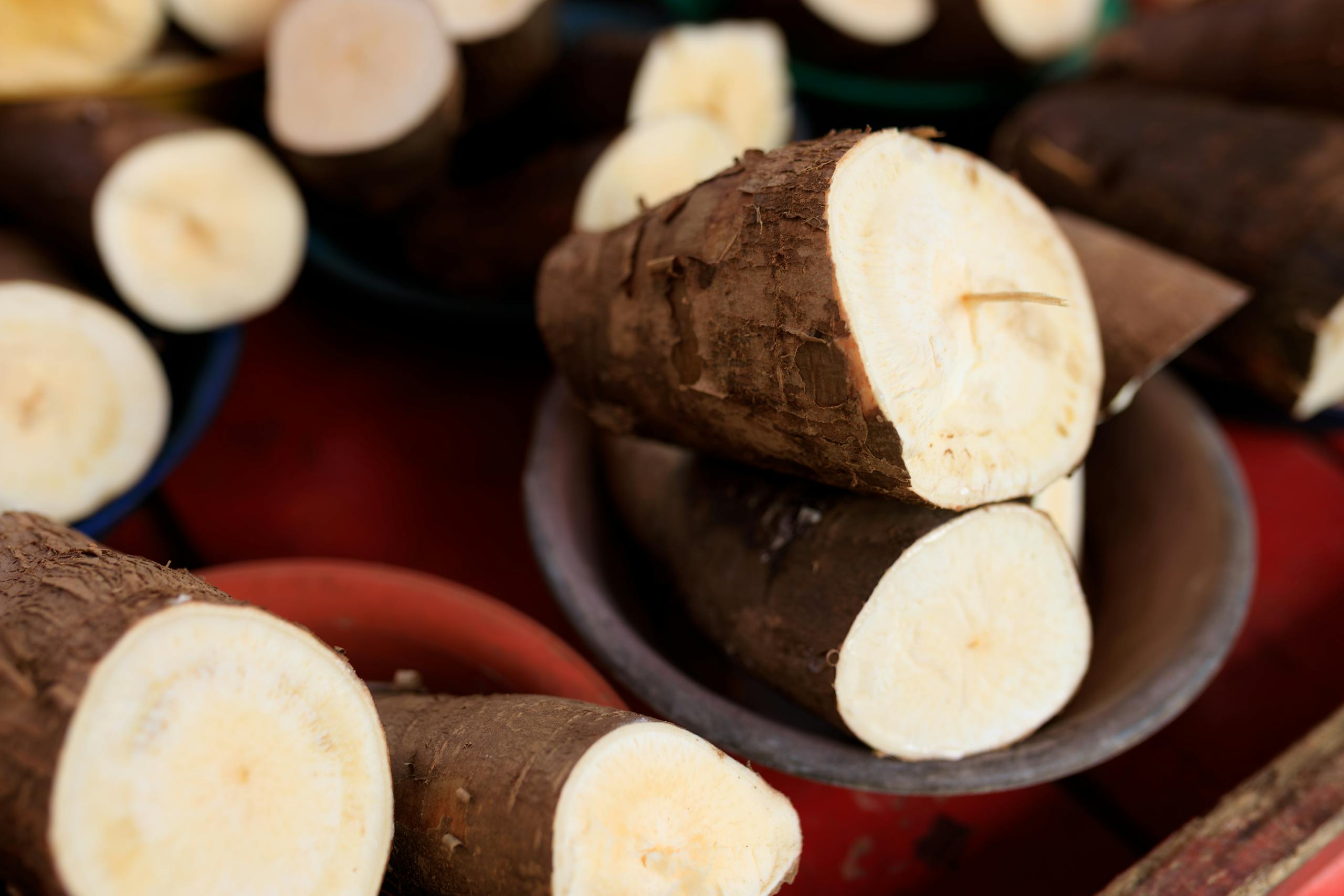
Cassava is a popular root vegetable commonly used in flour production, but it contains cyanogenic compounds that release cyanide if not properly prepared. In areas where cassava is a dietary staple, improper processing can lead to cyanide poisoning.
However, by peeling, soaking, and cooking the cassava correctly, it becomes completely safe to eat.
Proper preparation is essential to neutralize the toxic compounds and enjoy cassava’s benefits without risk.
Conclusion
The foods we eat every day may have hidden dangers and benefits that we don’t always notice. From deadly toxins to unusual health effects, many foods contain secrets that could surprise us or even harm us if we aren’t careful.
Now that you know about these hidden food dangers and benefits, you can make more informed decisions about what you eat.
With proper knowledge and preparation, we can all enjoy our meals safely and responsibly, making food an even more enjoyable part of our lives.