Fruits and vegetables are staples in our daily diet, providing vital nutrients, but behind their humble exterior lies a treasure trove of fascinating history and science.
These seemingly simple foods have undergone transformations that tell stories of culture, survival, and even mystery. In this article, we dive deep into the hidden wonders of the produce world, from extinct bananas to designer melons and everything in between.
The Vanishing Banana

Bananas are a common snack, but most people don’t realize that the variety we consume today might not be around forever. The widely consumed Cavendish banana is at risk of disappearing due to a new strain of Panama Disease that threatens to wipe it out, as the Gros Michel banana did before it.
This disease devastated the Gros Michel in the 1950s, leading to the rise of the Cavendish, which is now the most common variety. However, history may soon repeat itself unless a new resilient variety is discovered.
Negative-Calorie Foods
Celery has been heralded as a“negative-calorie” food, with claims that the energy it takes to digest it exceeds the calories it provides.
While it’s true that celery is extremely low in calories, the notion of negative-calorie foods is a myth. The process of digestion doesn’t consume more energy than the food provides. Nonetheless, celery remains a healthy and hydrating snack, providing fiber and vitamins.
The Surprising Story of Johnny Appleseed
Johnny Appleseed, known for his legendary tree-planting journey across the U.S., wasn’t just a quirky character from folklore. He was a real person named John Chapman, who planted apple orchards across Pennsylvania, Ohio, and Indiana in the late 1700s.
His apples were primarily used for making cider, not for pies or fresh eating. His business acumen and ability to sell apple trees before settlers even arrived made him a wealthy man, despite his humble and barefoot appearance.
The Cannibal Tomato

In Fiji, the “cannibal tomato” is actually an eggplant, but its use by the indigenous people is far more unsettling. Historically, Fijians, who practiced cannibalism, used the tomato-like vegetable to create a sauce intended to complement human flesh.
Though this practice is not common today, the eerie history of the “cannibal tomato” continues to intrigue and shock.
Designer Watermelons
Japan is renowned for producing novelty watermelons, among them the cubic watermelon. These melons are grown inside square glass boxes, resulting in a shape that fits perfectly into refrigerators. Some melons are even designed in pyramid shapes.
The price tag for these designer fruits can be staggering, with the Densuke watermelon, a particularly rare variety grown only in Hokkaido, selling for thousands of dollars.
Purple Carrots
Did you know that carrots were originally purple or white? The iconic orange carrot we know today was bred in the 17th century by Dutch farmers, who cultivated it to honor the House of Orange.
Prior to this, carrots were grown in various colors, including purple and white. Today, you can still find purple carrots in specialty stores, offering a nutrient-packed alternative to the familiar orange variety.
Grape Plasma
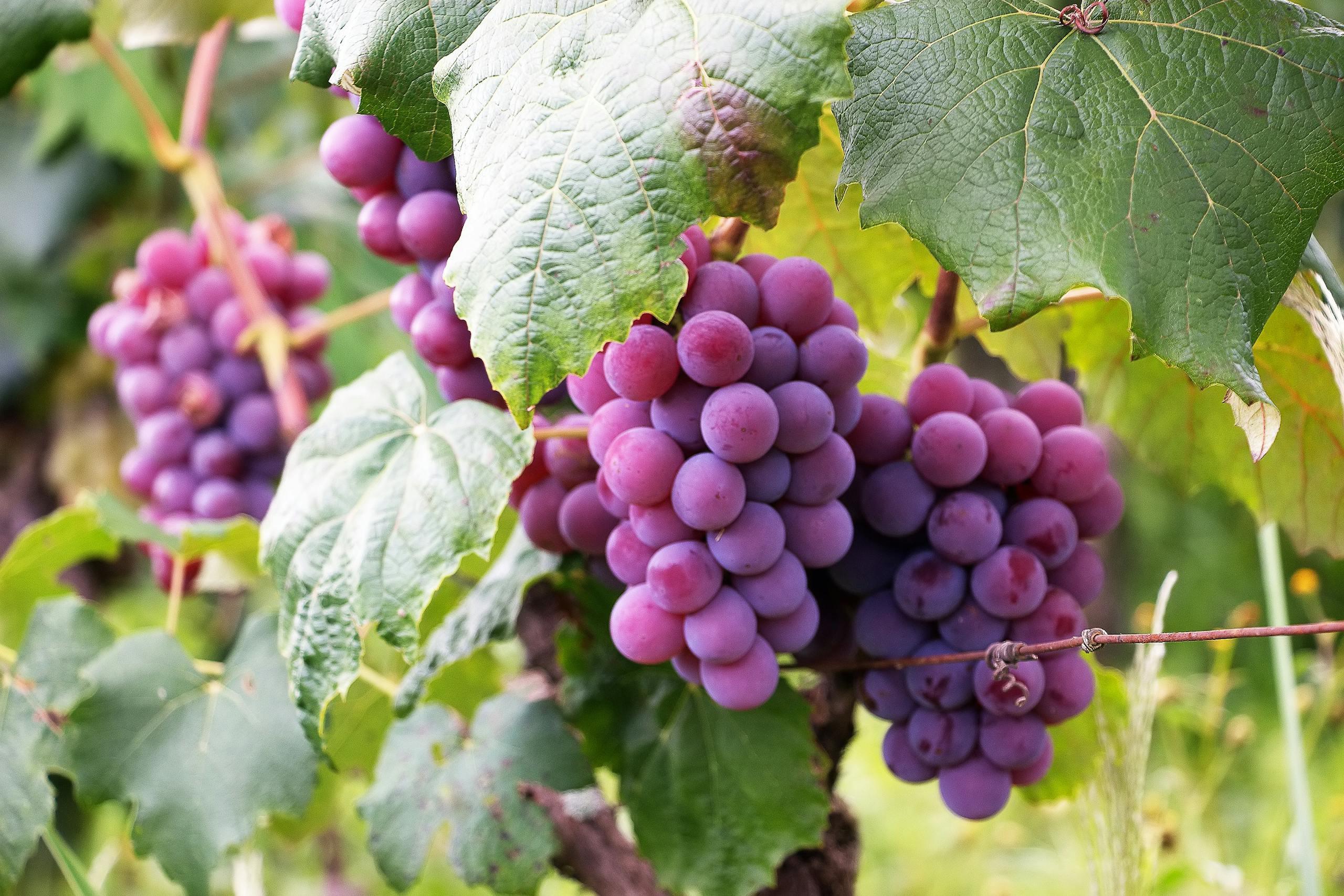
Microwaving a grape can turn it into plasma, creating a fascinating light display. The process involves slicing the grape almost completely through, leaving the halves connected by a small piece of skin.
When placed in the microwave, the moisture inside the grape turns into steam, and the energy ionizes the gas, creating a brief electric plasma. While it’s a fun science experiment, attempting this can be dangerous, so it’s not recommended.
Toxic Potatoes
Potatoes, a staple in many diets, can be dangerous if not prepared properly. The green spots on potatoes indicate the presence of solanine, a toxic compound that can cause nausea, vomiting, and even death if consumed in large quantities.
Solanine is a natural defense mechanism of the potato plant against pests, and it is most concentrated in the leaves, stems, and sprouting areas. Always ensure you remove green spots and eyes before cooking to reduce exposure to this toxin.
Spinach
Spinach has been famous for its supposed high iron content, thanks to the fictional strength of Popeye. However, the claim that spinach is an iron powerhouse is rooted in a scientific mistake from the 1800s, in which a decimal-point error led to exaggerated iron measurements.
Despite this, spinach is still a healthy vegetable, packed with vitamins and minerals like vitamin A, and its health benefits go beyond just iron.
The World’s Most Hated Vegetable
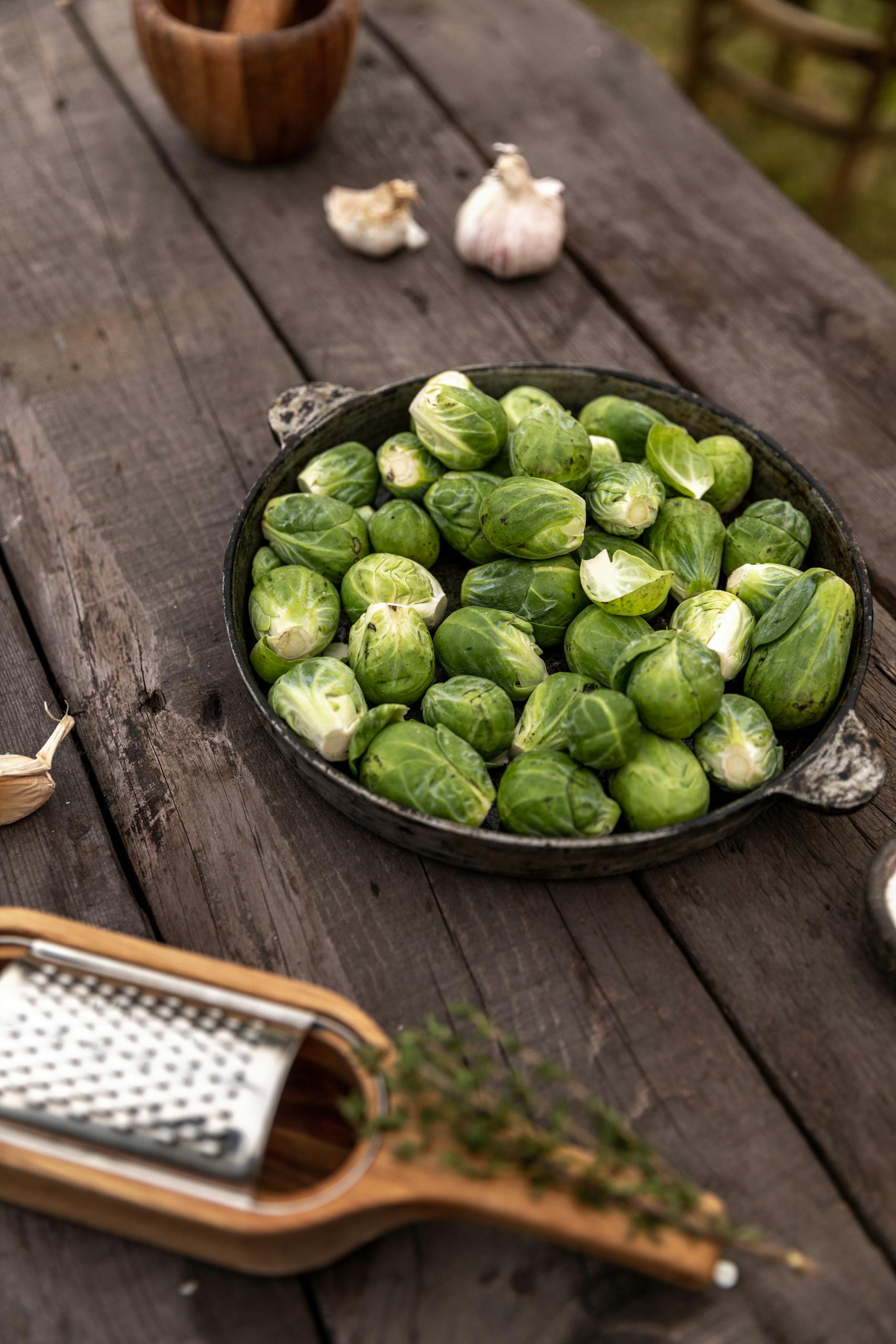
Brussels sprouts are notorious for their bitter flavor, which leads many people to loathe them. Despite their poor reputation, Brussels sprouts are packed with nutrients, offering high amounts of vitamins C and K, fiber, and antioxidants.
The bitterness of Brussels sprouts can be mitigated by various cooking methods, such as blanching or roasting with a touch of vinegar or lemon juice, making them more palatable for those willing to give them another chance.
Conclusion
From Johnny Appleseed to the disappearing banana, fruits and vegetables have fascinating histories and unique properties that go far beyond their nutritional value.
These 10 facts highlight the complexity and significance of produce in our culture, science, and history. Next time you bite into a carrot or enjoy a banana, remember that these foods have a story to tell.