A restaurant meal should feel like a reward, not a regret served on a shiny plate. Yet some menu items come with hidden problems that diners often miss until the bill arrives, the flavor disappoints, or the stomach starts complaining later.
The issue is not that every restaurant is careless. Some dishes depend heavily on freshness, timing, skill, storage, and honest pricing, which means the wrong order at the wrong place can turn a normal night out into a pricey mistake. Being aware of which foods are high-risk or often mishandled gives you the upper hand when scanning a menu.
Raw Oysters Can Be a Beautiful Gamble
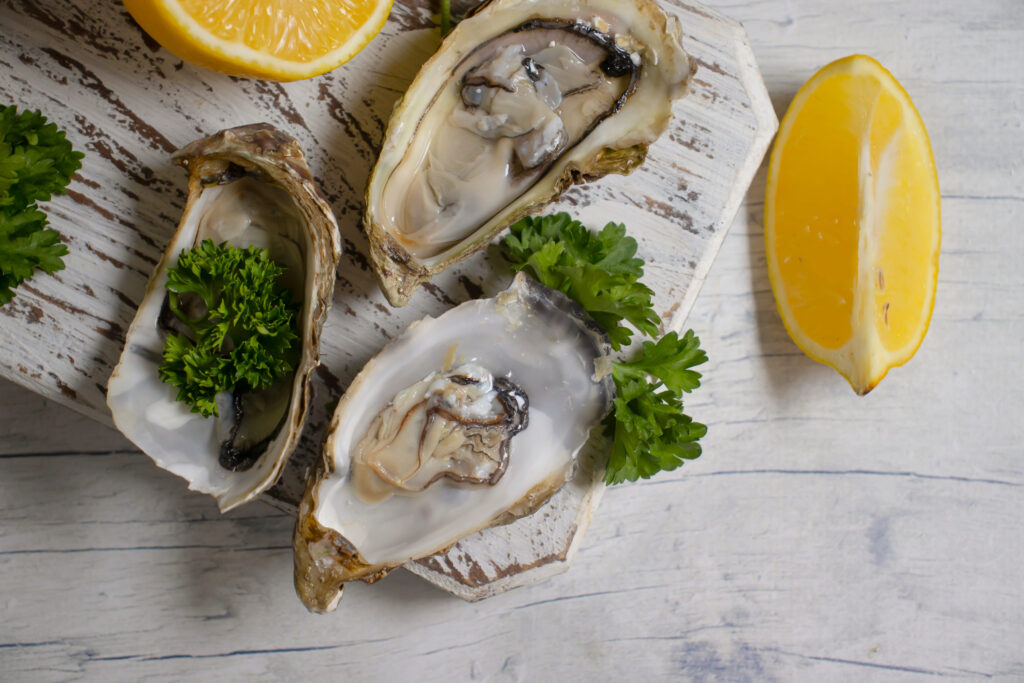
Raw oysters look elegant, taste briny, and make a table feel instantly more sophisticated. Still, they are one of those foods that demand serious trust in the restaurant, because freshness, handling, sourcing, and temperature control all matter.
The danger is that raw oysters offer few visual warnings. They can look clean, smell like the sea, and still carry bacteria that can make some diners very sick, especially those with weaker immune systems. Eating them at a busy, reputable seafood spot is safer than trying them at a random bar where oysters are rarely ordered.
Oysters also have a very narrow window of freshness. A restaurant that rotates stock daily, serves them chilled, and displays them on ice with clear sourcing is far more reliable than one that leaves a few on a tray for hours. When in doubt, it is better to stick to cooked shellfish dishes.
Sushi From a Random Menu Can Be Trouble

Sushi is not just sliced fish and rice. Proper sushi depends on chef training, careful sourcing, hygienic preparation, proper storage, and experience in handling seafood safely.
Sushi from a restaurant that mostly serves burgers, pasta, wings, or buffet trays can feel like a risky side quest. The problem is not always the fish itself, but the lack of specialization behind it. Poor handling or inconsistent refrigeration can make raw fish unsafe or simply tasteless.
A sushi restaurant maintains a rhythm and strict storage standards. It rotates fresh fish daily, monitors temperatures, and trains staff to prepare each roll with precision. Avoid sushi at places where it seems like a trendy add-on rather than a core specialty.
Daily Specials Can Hide Yesterday’s Problem
A daily special sounds exciting because it feels limited and chef-driven. Diners imagine fresh catch, seasonal vegetables, or a clever dish made that morning.
Sometimes that is true. Other times, special move ingredients need to be removed from the kitchen quickly before they lose value, freshness, or appeal. Specials often bypass the usual inventory checks or are rush-prepped to avoid waste.
Smart diners ask simple questions before committing. If the server can confidently describe the ingredients, sourcing, and preparation, it may be safe. Vague explanations should signal caution, especially for seafood, meat, or items that spoil quickly.
Well Done Steak Can Waste Your Money

Ordering steak well done is a personal choice, but it can dramatically reduce tenderness, juiciness, and flavor. High heat over long cooking times transforms even premium cuts into tough, dry plates.
Some kitchens may reserve lesser cuts for well-done orders because the final result hides imperfections. Paying premium prices for a steak that sacrifices taste and texture can leave diners feeling disappointed.
If you truly enjoy well-done steak, choose restaurants known for consistent execution. Otherwise, medium or medium-rare often ensures the full flavor and quality you expect.
Creamy Pasta Can Be an Overpriced Comfort Trap
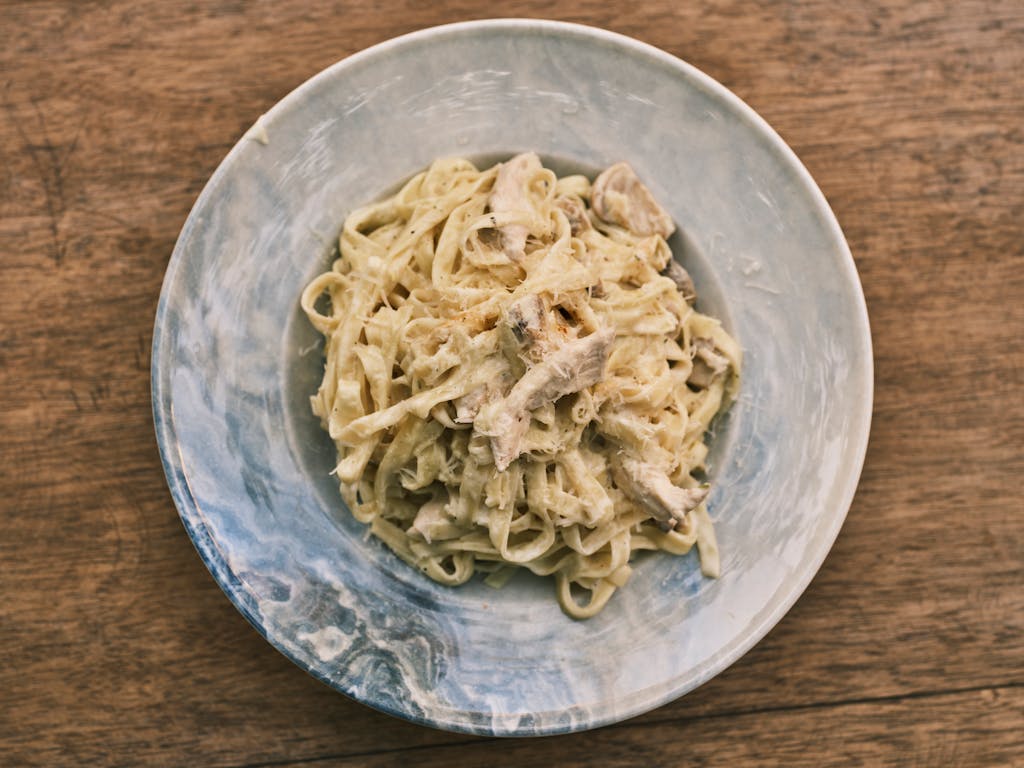
Creamy pasta dishes promise richness, warmth, and comfort. Chicken Alfredo or seafood pasta often sounds like a safe pick when you want indulgence.
The hidden issue is that many creamy pastas are simple to prepare, heavy on inexpensive ingredients, and priced as if they require rare skill. The result is a filling dish that may leave you satisfied momentarily but sluggish shortly after.
Restaurants that focus on technique balance cream with flavor, texture, and seasoning. When the menu description lists sauce, cheese, and more sauce, it may be comfort food dressed as luxury, best skipped if seeking culinary refinement.
Market Price Seafood Can Shock the Table
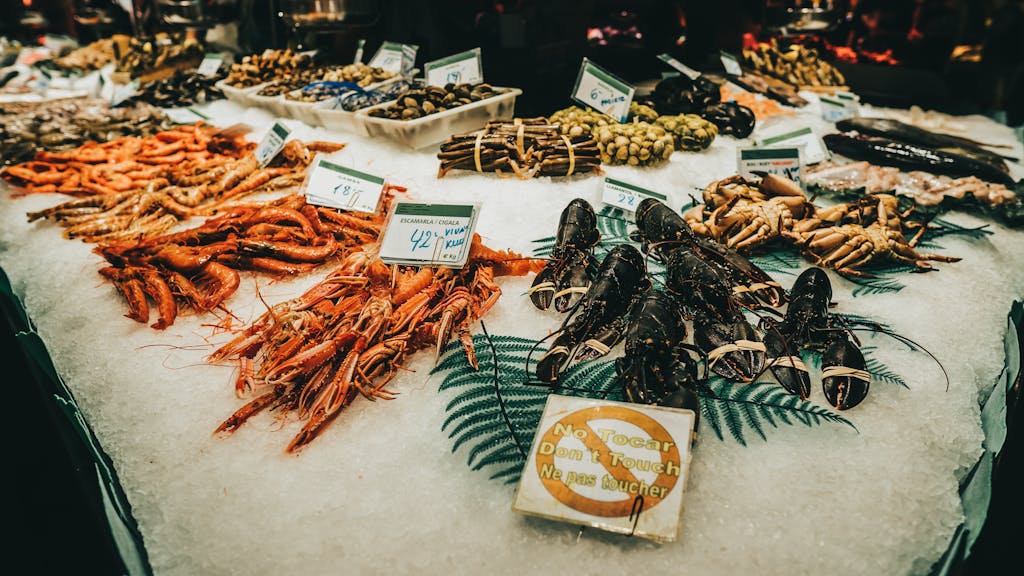
Market price seafood sounds fresh and exclusive, but it can quickly inflate your bill. Prices reflect supply, season, and quality, which is not always obvious until the check arrives.
Ordering without asking the price first can turn a seemingly casual dinner into a surprise financial commitment. Transparency matters.
Ask about market prices before ordering. Trustworthy restaurants provide clear pricing, while those relying on mystery pricing may deliver elegance on the plate and shock on the receipt.
Buffet Seafood Can Be a Risky Shortcut
Buffets offer convenience, but seafood is highly perishable. Shrimp, crab, mussels, and fish lose quality quickly when left out, even if they are technically safe.
Buffet kitchens may struggle to maintain temperature control, rotation, and freshness during long service hours. Rubberiness, dryness, or waterlogged fish can ruin an otherwise enjoyable experience.
The safest approach is to choose items with high turnover or that are visibly fresh. If a seafood tray is picked over, warm, or sitting ignored, skip it. Your plate is better off elsewhere.
Pre-Made Desserts Often Disappoint

Dessert should be the final celebration of a meal. Too often, diners receive a thawed slice of something purchased from a supplier and dressed up superficially.
This happens when restaurants prioritize convenience over quality. Paying top-dollar for a generic dessert can feel underwhelming.
Ask what is made in-house. If the answer is uncertain or vague, finish your meal with coffee or a simple dessert instead. A dessert should impress, not merely fill a gap.
Fancy Truffle Oil Dishes Can Be All Hype
Truffle oil signals luxury and refinement. Fries, pasta, pizza, or eggs suddenly feel gourmet.
Many truffle oil dishes rely on aroma more than depth. A few drops can dominate the plate, mask weak ingredients, and charge you for perceived sophistication rather than real flavor.
True luxury balances flavors naturally. Dishes that lean heavily on truffle oil or gold flakes may focus more on hype than culinary excellence. Read descriptions critically.
Restaurant Salads Can Be Sneakier Than They Look
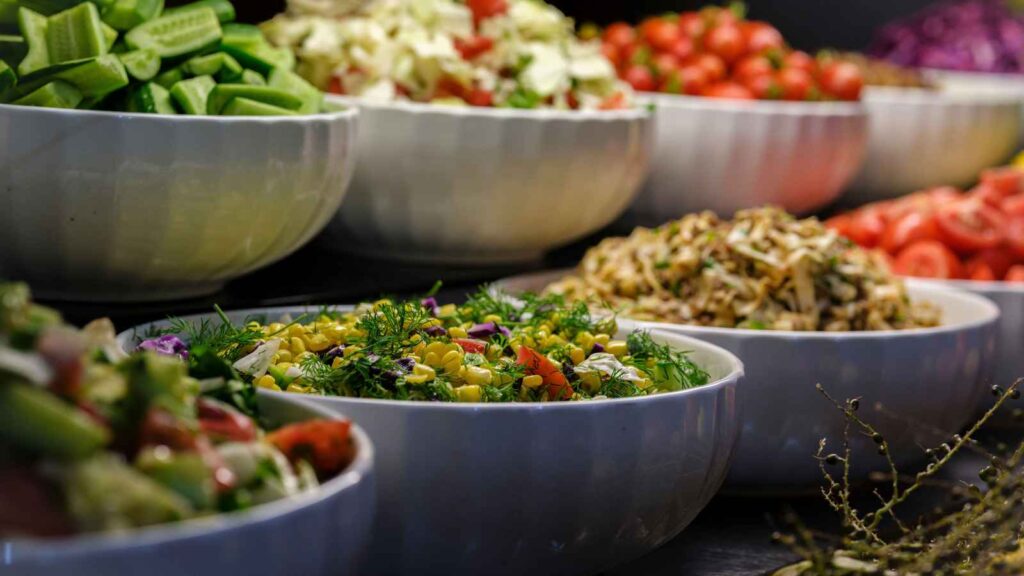
Salads sound safe, especially when you want to eat lighter. Yet restaurant salads can quietly become overpriced bowls of cheap lettuce, sugary dressing, salty toppings, and tired vegetables.
The worst versions hide behind color and texture, but cost more than the ingredients justify. A bowl of iceberg lettuce, bland tomatoes, packaged croutons, and over-salted dressing can leave diners disappointed.
A good salad combines fresh greens, protein, texture, and a dressing that enhances rather than overpowers. Ask about house-made dressings or seasonal ingredients to ensure a real dining experience.
Conclusion
Dining out should feel enjoyable, not stressful. Being aware of menu items that rely heavily on freshness, skill, or honest pricing protects you from regret. The smartest diners choose dishes aligned with a restaurant’s strengths, high-turnover items, and thoughtfully prepared plates. Avoid food that leans on hype, mystery pricing, or convenience. A confident approach ensures the meal tastes fresh, feels worth the money, and leaves you smiling rather than regretting your choices.