If you’re the type of person who loves to explore unique foods from around the world, you’ve probably heard of some truly outrageous dishes.
But here’s the kicker—some of the most fascinating and adventurous foods are completely banned in the U.S. Whether it’s due to safety concerns, ethical issues, or just plain old bureaucracy, these international dishes will remain out of reach for American foodies. Let’s dive into the nine jaw-dropping dishes you can’t legally get your hands on in the U.S.
Hákarl
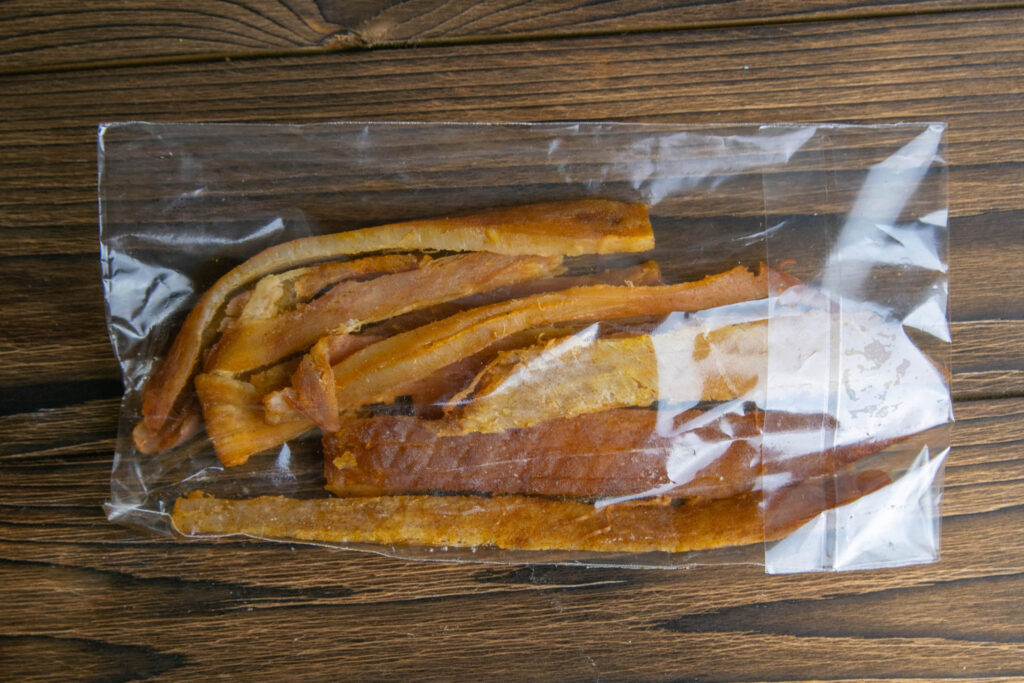
Iceland’s fermented shark might sound like a dare, but it’s a national delicacy.
The Greenland shark is left to ferment and dry for months, resulting in a pungent aroma that even the bravest hesitate to encounter. Unfortunately, due to health concerns around the shark’s urea content, it’s illegal to import into the U.S.
Fugu
Fugu, or pufferfish, is famous for its deadly potential. With a toxin that can kill in minutes, only licensed chefs are allowed to prepare it.
In the U.S., however, it’s illegal unless imported under strict safety precautions, making it a dish simply too risky for the average eater.
Casu Marzu
This Sardinian cheese takes the term “delicacy” to a whole new level—it’s made with live maggots! As the larvae break down the cheese, they give it a soft texture and a strong flavor.
But because it contains living creatures, it’s banned in the U.S. for safety reasons.
Sannakji
Here’s a dish that will have your heart racing: live octopus.
Sannakji is served with the tentacles still squirming, and it’s a popular Korean dish. However, because of the choking hazard posed by the suction cups, it’s illegal to serve in the U.S.
Balut
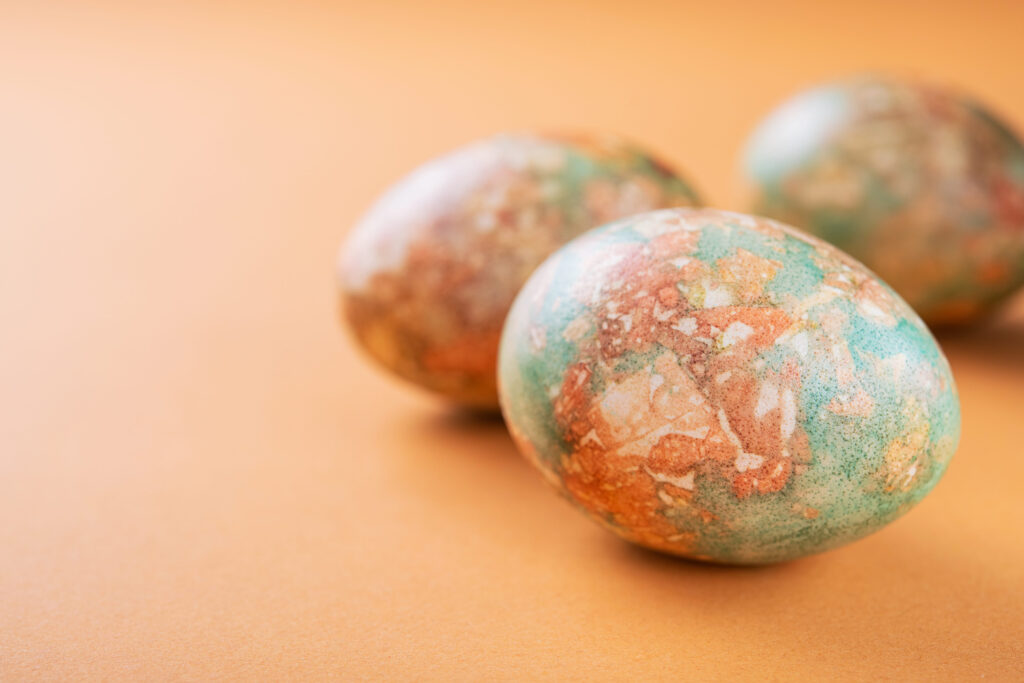
Balut is a boiled, fertilized duck egg with a developing embryo inside.
While it’s a beloved street food in the Philippines, the U.S. bans it because it doesn’t meet the country’s health standards for processed eggs.
Kopi Luwak
Known as one of the world’s most expensive coffees, kopi luwak is made from beans that have passed through a civet’s digestive system.
While it’s a luxury product, ethical concerns about how the civets are treated led to its ban in the U.S.
Shirako
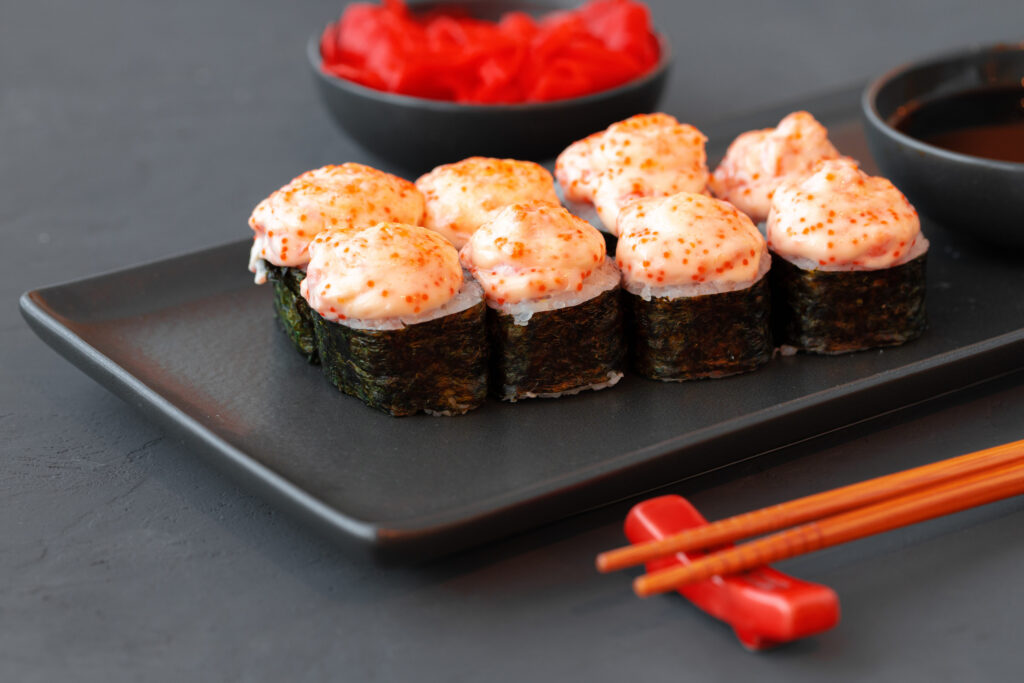
Shirako, or fish sperm, is considered a delicacy in Japan.
Typically served as a sushi topping, it’s banned in the U.S. due to concerns over food safety and the consumption of reproductive organs.
Methylmercury Fish
Certain fish, like shark and swordfish, are banned in the U.S. because they contain dangerously high levels of methylmercury, which is toxic.
These fish are prized in other countries, but the U.S. prioritizes consumer health over culinary exploration.
Unpasteurized Dairy
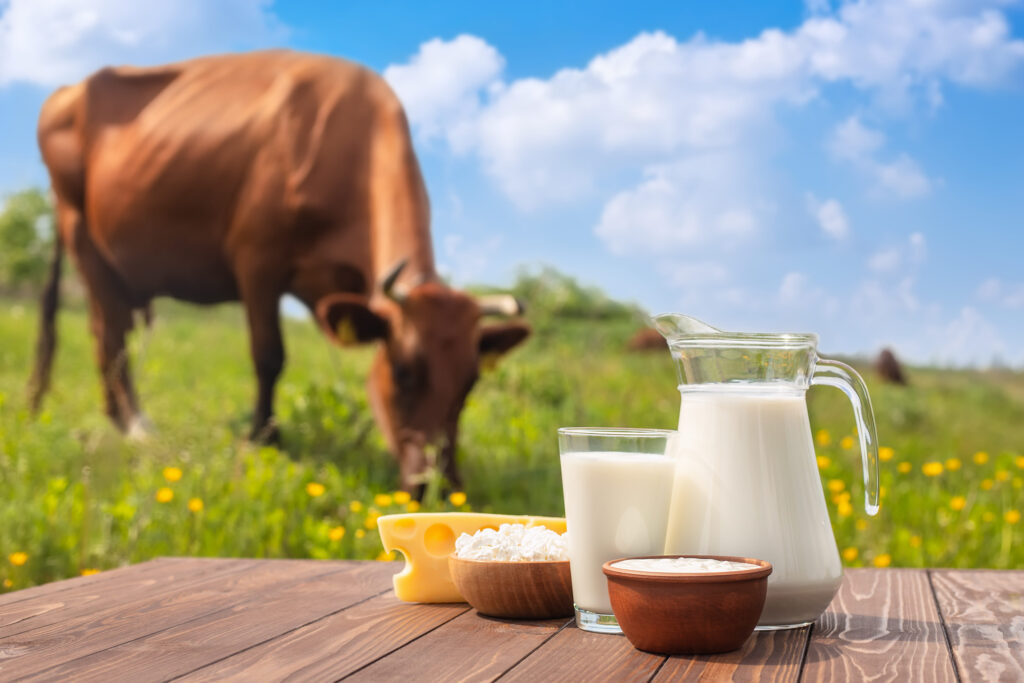
Unpasteurized dairy products, including raw milk cheeses, are commonly consumed in Europe and other parts of the world.
However, it’s banned in the U.S. due to the risks of bacterial infections. Only pasteurized varieties are allowed, making it tough for U.S. food lovers to try these raw versions.