We pass strangers every day and barely give them a second thought. They stand behind us at checkout, sit beside us on buses, walk past us in parking lots, and disappear into the noise of ordinary life. Most of the time, we pretend they are just background characters.
Then one small moment changes everything. A stranger stares too long, starts a conversation, sits too close, unexpectedly helps us, or makes us feel uneasy for no clear reason. Suddenly, the person we do not know feels impossible to ignore.
That is the strange power of strangers. They can make us feel safe, judged, comforted, annoyed, threatened, or oddly understood, even before we know their name. Cultural backgrounds and societal norms shape these reactions, revealing that strangers are not as random as they seem.
Some Strangers May Be More Connected to Us Than We Realize

The word stranger makes people feel completely separate from us. In reality, family history, migration, old neighborhoods, shared schools, distant relatives, and forgotten connections can blur that line.
The person beside us in a store may be linked to our lives in ways we will never discover.
That thought makes everyday crowds feel strangely intimate. The people rushing past us are not just random faces. They carry stories, losses, memories, families, secrets, and connections of their own.
We may treat strangers like background noise, but human life is rarely that simple.
Small Talk With Strangers Scares Us More Than It Should
Many people avoid talking to strangers because they assume it will be awkward. Nobody wants to bother someone, get rejected, or get trapped in a conversation that refuses to end. So we stay silent, scroll our phones, and convince ourselves that everyone else wants the same distance.
Yet short, friendly exchanges can sometimes improve a dull day. A quick comment in a waiting room, a kind word in an elevator, or a harmless chat in a checkout line can make life feel less cold.
The real problem is not always strangers. Sometimes, it is the fear we carry before the stranger even opens their mouth.
Strangers Can See Us More Clearly Than We See Ourselves

Choosing a photo of ourselves can feel strangely difficult. We notice every awkward angle, tired eye, crooked smile, bad haircut, and memory attached to the moment. We do not just see the picture. We see our insecurity sitting inside it.
A stranger does not carry that emotional baggage. They can look at the same image and judge it more simply, which might make the audience feel a sense of vulnerability and reflection on how others perceive us more honestly than we do ourselves.
Public Transport Turns Strangers Into Silent Threats
Few places reveal our discomfort with strangers as much as buses, trains, and crowded subways. This can make the audience feel empathetic and more aware of their own or others’ social anxieties in crowded spaces.
The funny part is that most passengers are playing the same quiet game. We want space, privacy, and control in a place where none of those things are guaranteed. A stranger sitting beside us can feel like an invasion, even when the seat is free, and the ride is packed.
Public transport reminds us that humans love community until community breathes too close before breakfast.
Certain Smells Can Make Strangers Seem Safer

Trust feels like a serious decision, but our senses can quietly influence it. A calm room, a pleasant scent, soft lighting, or a relaxed atmosphere can make an unfamiliar person feel less threatening. We may think we are judging someone clearly, but the environment may be doing some of the work for us.
That is unsettling because scent often works below our awareness. A stranger in a comfortable setting may seem warmer than the same person in a stressful one.
The person has not changed, but our bodies may respond differently. It is a reminder that trust is not always as logical as we want it to be.
We Confess Things to Strangers We Hide From Friends
It sounds backward, but strangers can sometimes feel safer than people we know. Friends and family may judge us, remember our secrets, give unwanted advice, or bring up the issue months later.
A stranger on a plane, in a barbershop, or beside us in a waiting room may listen and then vanish forever.
That temporary connection can make people surprisingly honest. Someone may share grief, money problems, family tension, regret, loneliness, or relationship trouble with a person they will never meet again. The stranger offers something unusual.
They have no history with us, no social power over us, and no long memory waiting to punish us later.
Crowds Can Mourn Strangers Like Family

When a celebrity dies, or a tragic story spreads, people who never met the person may cry, post tributes, light candles, and feel real sadness. From the outside, it can seem dramatic. From the inside, it can feel deeply personal.
That grief is not always about the stranger alone. It may connect to childhood memories, shared culture, personal loss, or the painful reminder that life is fragile.
A person we never knew can still represent something meaningful to us. That is why strangers can sometimes leave an emotional mark larger than people we actually meet.
Some People Pay Strangers for Comfort
The idea of paying a stranger for comfort may sound strange at first. Yet professional cuddling, companionship services, and emotional support spaces point to a bigger problem. Many people are hungry for safe, gentle human contact in a world where loneliness can hide behind busy schedules and glowing screens.
This does not mean every form of paid comfort is simple or perfect. It means modern life has created strange gaps in human connection. A person can have followers, coworkers, neighbors, and group chats, yet still feel untouched and unseen.
When a stranger becomes the person offering calm, warmth, or quiet attention, the word “stranger” becomes much more complicated.
We Judge Strangers Before They Even Speak
We like to believe we give people a fair chance, but our brains often move faster than our manners. The moment a stranger walks into a room, we begin reading their face, clothes, posture, tone, and expression.
Before they say a single word, we may already decide they seem friendly, suspicious, confident, rude, wealthy, nervous, or dangerous.
That judgment can feel like instinct, but it is often built from old memories, hidden bias, and personal experiences.
A stranger may remind us of someone who once helped us, hurt us, embarrassed us, or made us feel safe. Recognizing this can help us understand why first impressions are so powerful and sometimes unfair.
Trade Taught Humans to Trust Outsiders
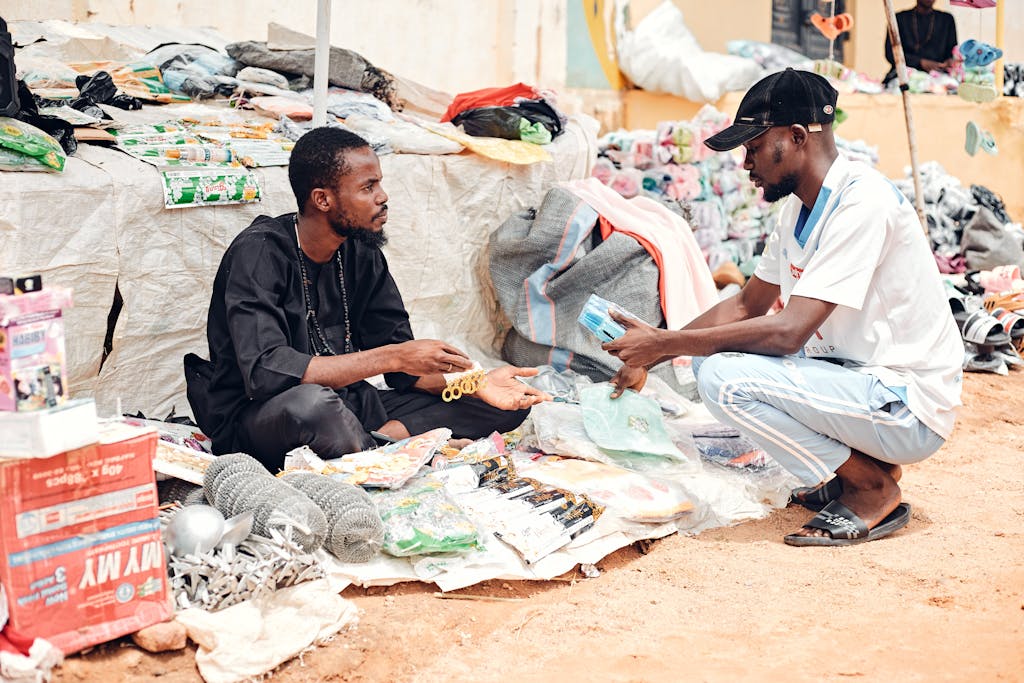
Strangers were once risky, but they were also useful. Ancient communities needed outsiders for trade, tools, food, materials, ideas, and alliances. Survival often depended on learning when to fear strangers and when to cooperate with them.
That tension still lives inside us. We are cautious around unfamiliar people, yet much of daily life depends on trusting them. We trust drivers, doctors, delivery workers, cashiers, pilots, repair people, teachers, and neighbors we barely know.
Society works because we keep taking small risks with strangers, even when our instincts tell us to stay guarded.
Conclusion
Strangers unsettle us because they represent the unknown. We do not know what they want, what they are thinking, where they have been, or how they might affect our day. That uncertainty can make even ordinary moments feel tense.
Still, strangers are not only sources of fear. They can comfort us, surprise us, help us, judge us, listen to us, and remind us how strange human connection really is.
We may spend much of life avoiding people we do not know, but strangers are constantly shaping our moods, choices, memories, and sense of safety in ways we rarely notice.