Check-out time has a way of turning smart people into sprinters. One minute you are folding a hoodie and checking under the pillows, and the next minute you are racing for the elevator with one shoe tied, coffee in hand, and your charger still plugged into the wall. That tiny moment of chaos is exactly how hotel rooms become accidental treasure chests.
Hotels deal with forgotten belongings all the time, and industry sources consistently point to chargers, clothing, toiletries, jewelry, children’s items, and beauty tools among the most common things left behind. Standard lost-and-found procedures usually require hotels to log, store, and hold items for a period that often ranges from 30 to 90 days, after which unclaimed belongings may be donated, disposed of, or otherwise repurposed, depending on hotel policy.
Phone Chargers
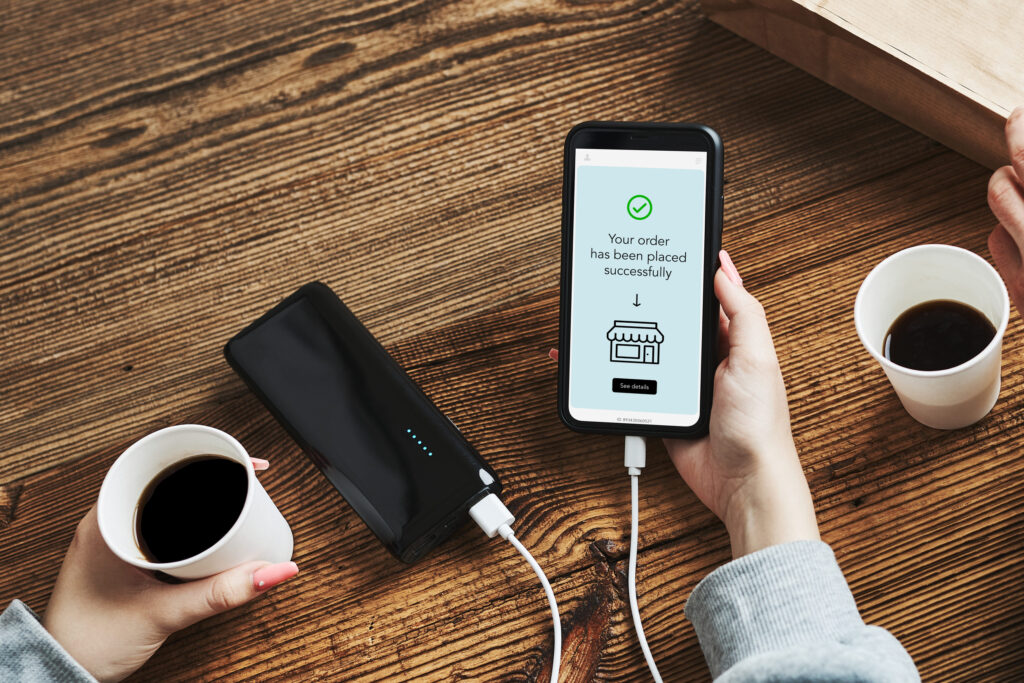
Chargers are the undisputed kings of hotel-room forgetfulness. They get tucked behind nightstands, plugged into awkward wall outlets, or left near the bed during a late-night scroll session, then vanish from memory the moment checkout panic begins. Lost-and-found providers and hotel-focused sources repeatedly list mobile phone chargers among the most common items guests leave behind, which explains why hotels seem to have a small jungle of random cables in the back office.
The reason chargers rarely make a dramatic trip home is simple. Many people decide a replacement is easier than paying shipping for an old cable, especially if it is not an expensive, branded one. Once the holding period ends, these forgotten cords often become spare backups, donation items, or quiet hand-me-downs inside the hotel ecosystem.
Clothing
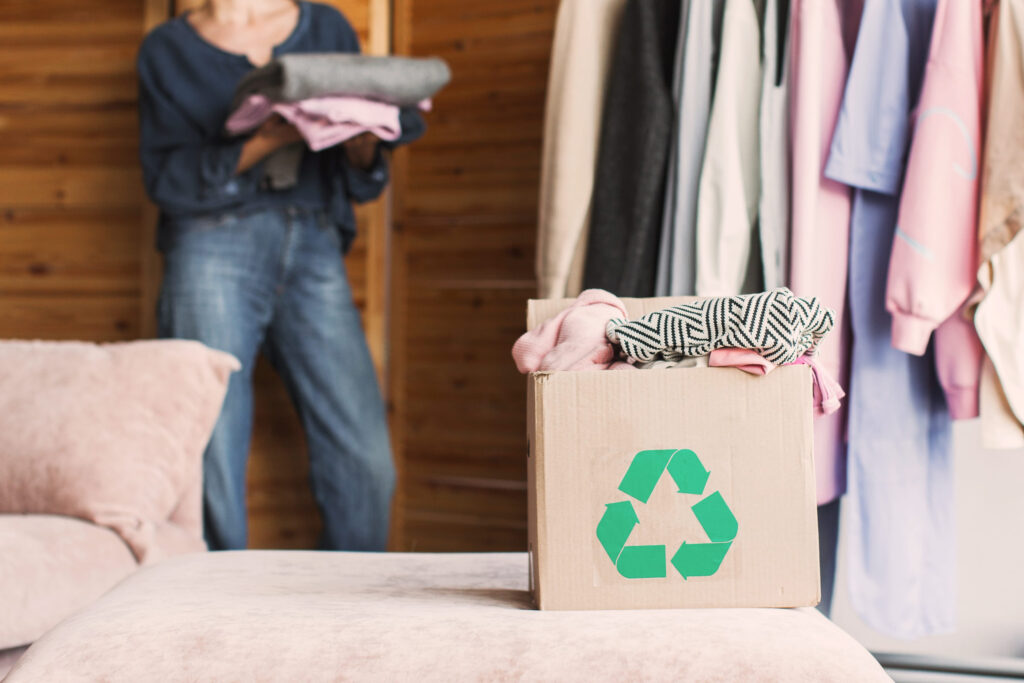
Clothing gets left behind in the most predictable places and still manages to surprise everyone. Jackets stay in closets, swimsuits keep drying in the bathroom, socks disappear under the bed, and T-shirts settle into drawers as if they checked in for a longer stay. Hotel and hospitality sources regularly list clothing and accessories among the most commonly forgotten categories.
What happens next depends on the item’s condition and perceived value. An ordinary shirt or pair of shorts may never inspire a return call, while a nicer coat or designer item is more likely to be claimed. If no one asks for it, everyday clothing often ends up donated, and some pieces may quietly find a second life with staff who assume the guest has moved on.
Toiletries

Toiletries are easy to forget because they blend into the room like background noise. A face wash on the sink, an expensive serum near the mirror, or a half-used conditioner in the shower does not scream for attention when you are focused on passports, shoes, and checkout time. Hospitality guidance identifies toiletries as a frequent lost-and-found category, especially in bathrooms and vanity spaces.
Used items usually have a short future, for obvious reasons. Unopened or high-end products, though, can fall into a strange little gray zone once the holding window closes, especially if nobody makes the effort to retrieve them. That is why luxury shampoo or sealed skincare can sometimes outlive the guest who forgot it.
Jewelry
Jewelry is where sentiment and value start wrestling with convenience. Fine jewelry usually triggers immediate action because it is expensive, identifiable, and clearly worth retrieving, but costume pieces often drift into lost-and-found limbo. Hotel-related sources list jewelry among commonly forgotten items, especially around bathroom counters, safes, and bedside areas.
A cheap bracelet or pair of earrings may matter deeply to the owner, but if the item looks low-value and no claim comes in, it often stays uncollected. That makes small jewelry one of the easiest categories to slip from meaningful keepsake to forgotten object. Once the official storage period passes, those pieces may be donated, discarded, or quietly absorbed into the afterlife of hotel leftovers.
Hair Tools
Hair tools are classic victims of bathroom routines and rushed departures. Flat irons, curling wands, and dryers are often packed last, used early, and forgotten fastest, especially when they are cooling off on the counter while the suitcase is already zipped. Industry surveys and hotel-focused sources have specifically identified hair styling tools as one of the common categories left in rooms.
Unlike a single sock, these tools still feel useful after checkout, giving them surprising staying power in the lost-and-found. Some may be kept aside for guest recovery, some may be repurposed for lending, and others may simply become part of the pile of unclaimed practical items that no one wants to pay to ship back. Forgotten beauty gear may not be glamorous, but it is definitely reusable.
Kids’ Toys
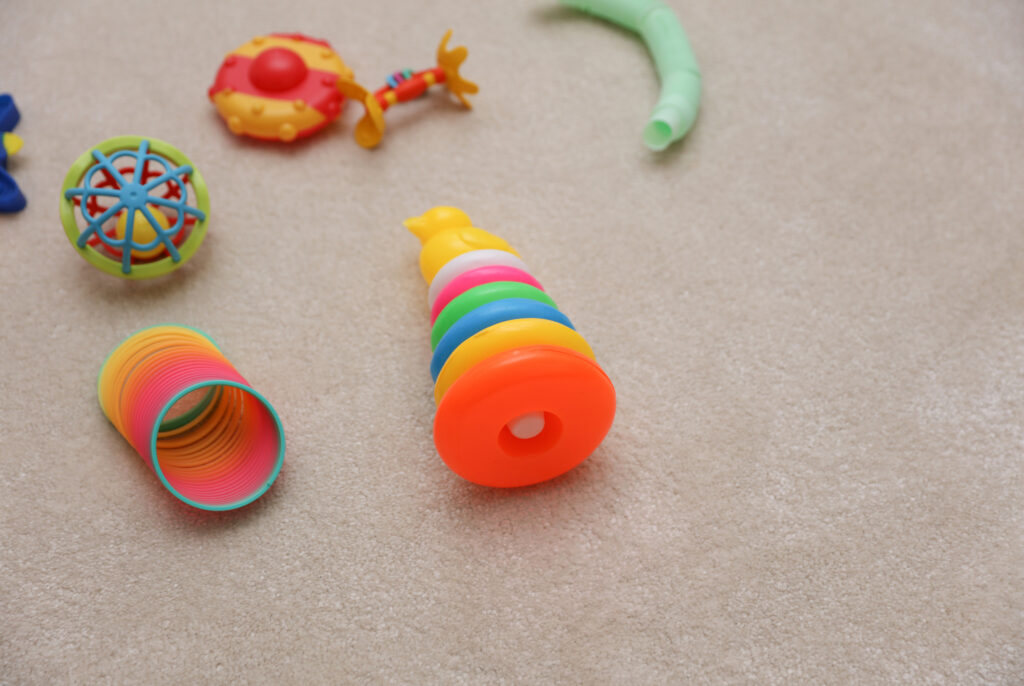
Children’s belongings are the emotional heavyweights of hotel lost-and-found. Toys, books, and baby-care items are frequently left behind, especially in family-friendly properties where packing out feels like managing a tiny traveling circus. Hospitality training materials specifically note children’s belongings as a common category often forgotten.
The difference with toys is that they often carry heart, not just price. Hotels may try harder to reunite a child with a beloved stuffed animal than they would with a forgotten T-shirt, but not every item gets claimed. When the waiting period expires, toys are often donated, and in some cases, they end up in the hands of staff members who give them a second chapter instead of letting them gather dust.