As the garden season approaches, many gardeners start thinking about planting, sowing, and growing. However, without proper planning, your garden could face avoidable challenges that hinder its success.
To ensure a flourishing garden, it’s crucial to avoid certain mistakes. Below are six common garden planning mistakes and practical strategies to avoid them.
Relying Solely on Perennials for Flower Beds

Perennials are a staple of many gardens, offering consistent blooms year after year. However, they tend to bloom for only a few weeks, leaving your flower beds looking sparse during off-bloom seasons. To remedy this, incorporate annual flowers into your garden plan.
Annuals, like zinnias, marigolds, and geraniums, can fill in gaps between perennial blooms, offering long-lasting color and vibrancy throughout the summer. Additionally, summer-blooming bulbs such as lilies or gladiolas can add height and visual interest. By combining perennials with annuals and bulbs, you’ll have a more dynamic and continuously blooming flower bed.
Failing to Align Your Garden Plan with Your Schedule
Gardening is a rewarding endeavor, but it requires time and dedication. Before committing to a garden plan, take a close look at your personal schedule for the upcoming year. Are there vacations, family events, or major life activities that could interfere with your garden care?
It’s easy to forget that gardens need constant attention—watering, weeding, and harvesting. A vacation during harvest season could lead to wasted produce, and neglecting your plants while attending to other commitments may leave them vulnerable. To avoid this, stagger your planting schedule and recruit help from friends or family when necessary. This thoughtful planning ensures you don’t miss vital garden tasks.
Overloading Your Calendar with Time-Consuming Projects
At the start of the year, it’s easy to feel ambitious and overcommit to several garden projects. However, as the season progresses, unexpected events can disrupt your time, leaving you feeling overwhelmed. Balancing garden work with social events, vacations, and other responsibilities requires a realistic approach.
To prevent burnout, simplify your gardening plans. Choose one major project and several smaller ones that can be tackled during available weekends. Being intentional about how you allocate your time will result in a more successful and manageable gardening experience.
Over-Spending on Garden Supplies
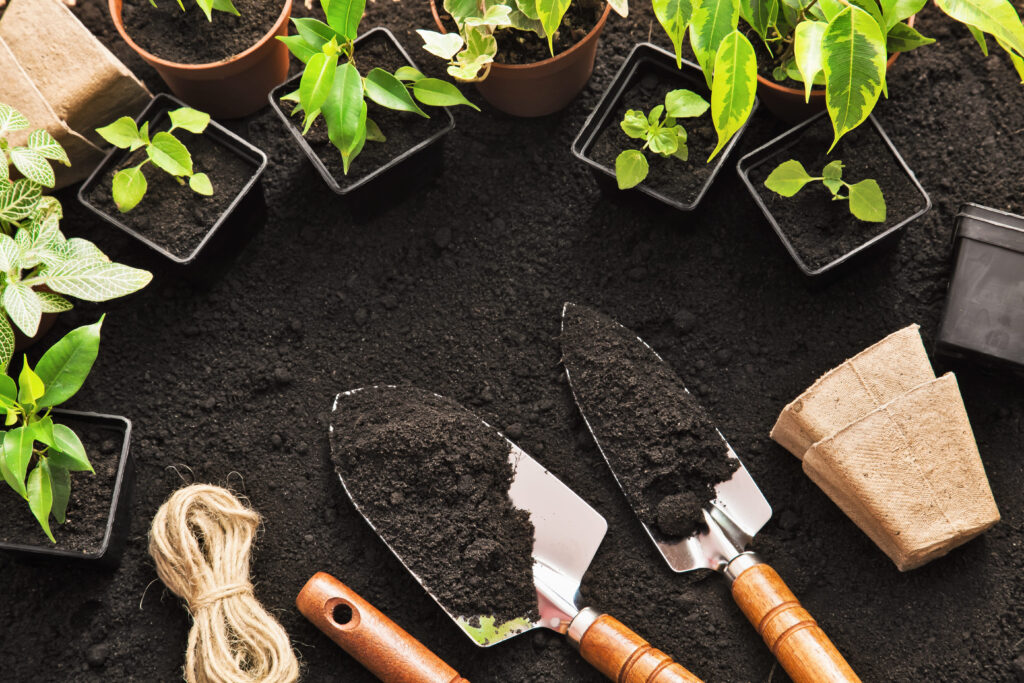
It’s tempting to buy the latest gardening tools and trendy plants, but doing so can quickly drain your budget. Instead of constantly purchasing new items, evaluate what you already own and think creatively about repurposing items.
For example, instead of buying new pots, consider using containers you already have at home. Take stock of unused fertilizers, and before purchasing more, check what you already have in your shed. Assessing and reusing what you own will help you stay within your budget while still nurturing a vibrant garden.
Planting Everything at Once
Many gardeners get excited about planting as soon as the weather warms up. However, planting everything at once can lead to an overwhelming harvest season and a burst of flowers that doesn’t last. To maximize your garden’s potential, stagger your planting schedule.
Staggering planting times for both flowers and vegetables ensures a continuous harvest and a prolonged blooming season. This thoughtful approach allows you to enjoy a steady supply of produce and flowers without being bombarded with an excess all at once. Consider planting early-blooming varieties in the spring, followed by mid-season and late-season crops.
Neglecting to Plan Ahead
Simply buying seeds and plants doesn’t constitute a garden plan. Proper planning involves identifying what you want to grow, when to plant it, and how to maintain it. It’s essential to consider your family’s preferences and lifestyle when making these decisions.
Avoid wasting resources by planting vegetables or flowers that your family won’t enjoy. If you’re new to gardening, research what thrives in your climate zone. By planning for what works best in your space and fits your schedule, you will ensure a garden that’s both enjoyable and productive.
Key Takeaway
Proper garden planning sets the foundation for a successful season. Take the time to align your schedule, diversify your plantings, and be mindful of your available resources. With careful consideration and a well-structured plan, your garden can thrive and provide enjoyment throughout the year.
Is your garden ready for the growing season, or are there areas you need to plan more carefully?