In 2026, gardeners are becoming more thoughtful about how and why they grow. The focus has shifted away from quick fixes and picture-perfect results and toward practices that actually address everyday challenges—tired soil, unpredictable weather, limited time, and the desire to garden in a way that feels responsible rather than wasteful.
What’s driving these changes isn’t novelty. It’s an experience. Gardeners are choosing methods that reduce effort over time, protect the soil they rely on, and create spaces that give back more than they take. Sustainability isn’t a buzzword here; it’s simply how many people are approaching their gardens now—designing with intention, choosing plants that belong, and working with the land instead of against it.
Based on guidance from horticultural organizations and long-term observations from groups like the Pennsylvania Horticultural Society, these are the gardening practices shaping how landscapes are being grown and cared for in 2026.

No-Till Gardening Becomes a Practical Choice
More gardeners are moving away from seasonal digging and turning. No-till gardening keeps soil structure intact by adding compost and organic matter on top and allowing worms, microbes, and natural processes to do the rest.
The result is healthier soil that holds moisture better, resists erosion, and supports deeper root growth—with far less physical labor.
Composting Moves from Optional to Routine
Composting has become a normal part of garden care rather than an extra project. Gardeners are finding systems that fit their space, from traditional outdoor piles to worm bins and compact indoor options.
Kitchen scraps and yard waste are being reused where they belong, reducing landfill waste and cutting down on the need for store-bought fertilizers.
Gardens Designed for Wildlife, Not Just Looks
Gardens are increasingly planned with pollinators, birds, and beneficial insects in mind. Native plants are no longer an afterthought—they’re often the foundation.
Reducing lawn space, planting flowering natives, and leaving some natural debris behind help create gardens that function as small ecosystems rather than isolated plant collections.
Rewilding with Boundaries
Rewilding continues to grow in popularity, but with more intention. Instead of letting everything grow unchecked, gardeners are choosing where to loosen control while still managing invasive species and supporting natives.
This approach leads to landscapes that feel natural without becoming overwhelming or unmanageable.
Gravel Gardens and Water-Smart Choices
Water uncertainty has made efficiency more important. Gravel gardens—using drought-tolerant plants paired with mineral ground covers—are gaining traction for their low water needs and long-term resilience.
They work well in areas with irregular rainfall and are appearing in both residential yards and public spaces.
Cut Flowers Grown at Home
Growing flowers for cutting is becoming part of many gardens. Annuals like zinnias and dahlias offer steady blooms without relying on shipped flowers or store displays.
It’s a practical way to enjoy fresh flowers while staying connected to seasonal growing cycles.
Fuller, Layered Planting Returns
Gardens are becoming denser and more layered again. Instead of sparse layouts, many gardeners are embracing fuller plantings with varied textures and overlapping growth.
These gardens tend to shade soil, retain moisture, and require less intervention once established.
Houseplants Stay Relevant
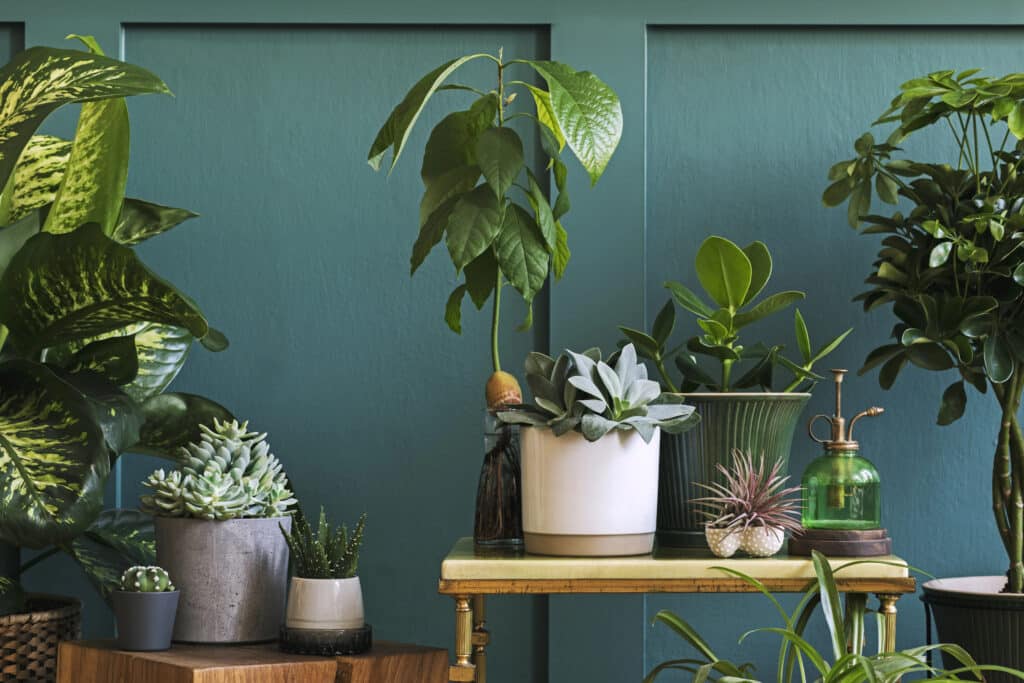
Indoor plants continue to play a role, especially for people with limited outdoor space. Familiar plants like pothos, philodendrons, monsteras, and snake plants remain popular because they adapt easily and ask for little in return.
More attention is being paid to sustainable pots, supports, and display methods rather than constantly chasing rare varieties.
Home Fruit Growing Expands
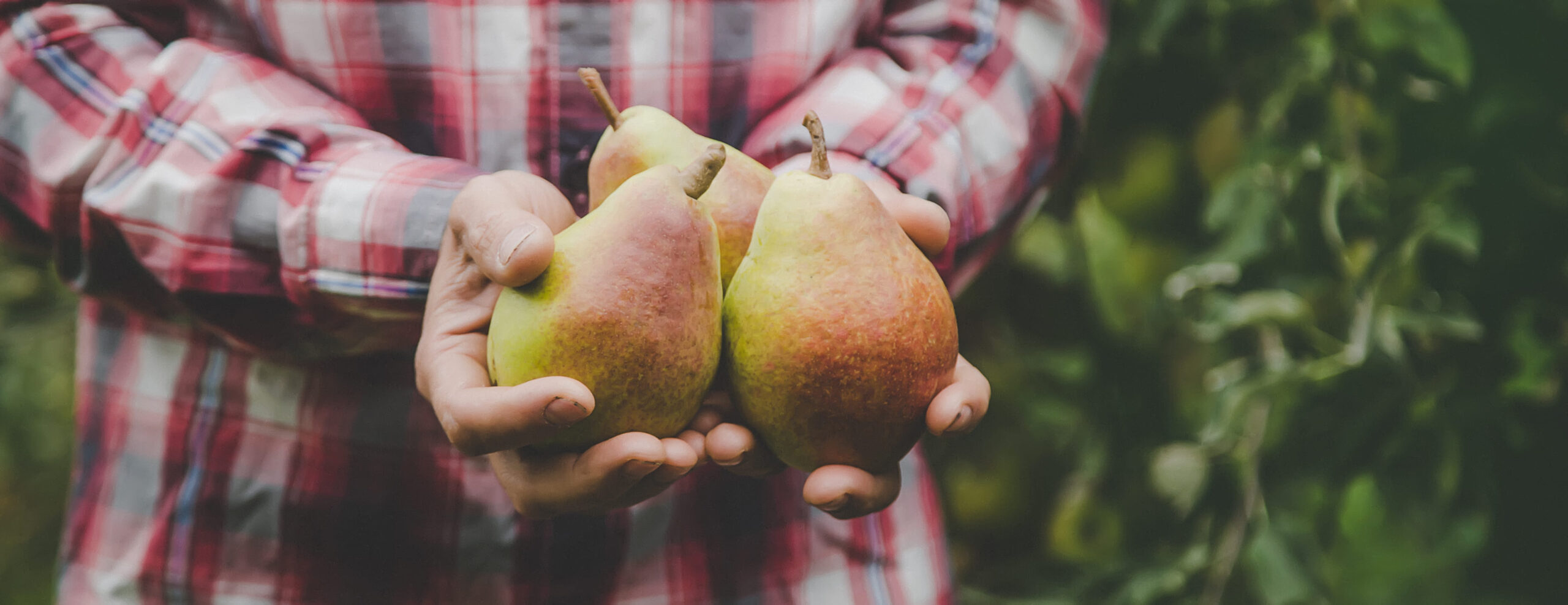
Interest in growing fruit at home keeps growing, particularly with varieties suited to local conditions. Gardeners are choosing smaller trees, shrubs, and native fruit plants that fit their space and climate, rather than forcing unsuitable options.
Technology as a Tool, Not a Shortcut
Digital tools for planning, plant identification, and garden tracking are becoming more common. Used thoughtfully, they help gardeners learn and plan—but most understand they don’t replace observation, patience, or hands-on experience.
Gardening with Ecology at the Center
Across all of these shifts, one theme stands out: gardeners are thinking beyond individual plants. The goal is healthier soil, stronger ecosystems, and gardens that hold up over time.
In 2026, gardening looks less like control and more like collaboration—and for many, that’s what makes it feel sustainable in the truest sense.