In a world where grocery store shelves are lined with the same predictable fruits and vegetables, it’s easy to forget that nature has a hidden history of flavors waiting to be rediscovered. For centuries, certain fruits and vegetables were at the heart of our diets, nourishing communities, contributing to local economies, and even changing the course of history.
But as farming methods shifted and global trade expanded, many of these once-beloved crops fell into the shadows. Today, most people wouldn’t even recognize their names. Yet, these forgotten foods are far from irrelevant; they carry stories, flavors, and nutrients that could help bring diversity and sustainability back into our modern-day kitchens. So let’s dive into the world of 10 forgotten fruits and vegetables that are worthy of a second chance.
Taliaferro Apple
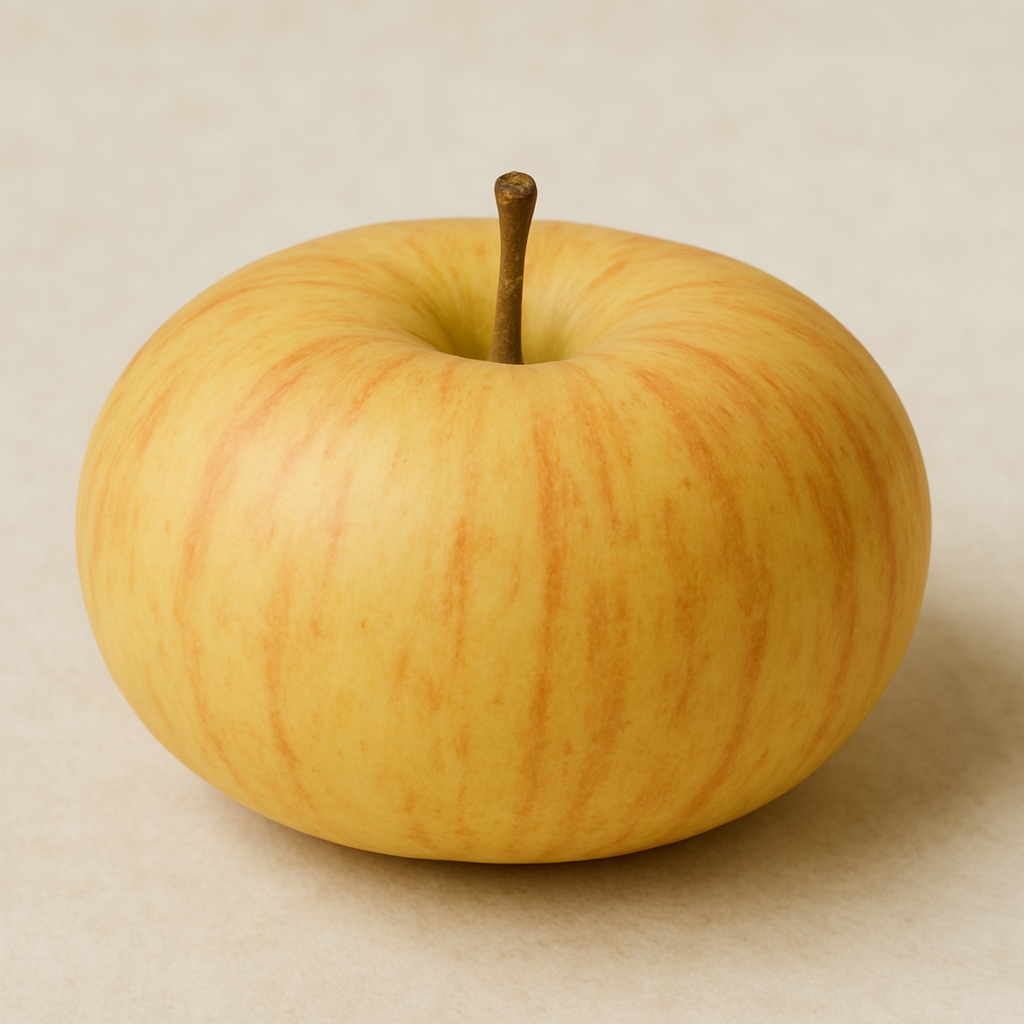
Imagine walking through Thomas Jefferson’s garden at Monticello, where he carefully cultivated a variety of apples, including the rare Taliaferro Apple. This apple was more than just a sweet snack; it was a symbol of early American ingenuity.
Known for its juicy, tangy flavor, the Taliaferro was prized not just for its taste but also for its resilience in the early American soil. But as modern apple varieties took over, easier to grow and more commercially viable, this heirloom variety faded into obscurity.
Now, it’s almost impossible to find, yet it was once cherished by those who appreciated the nuanced flavors of apples from yesteryear. Reviving this apple means reconnecting with a piece of American history and tasting what our founders might have enjoyed.
Medlar
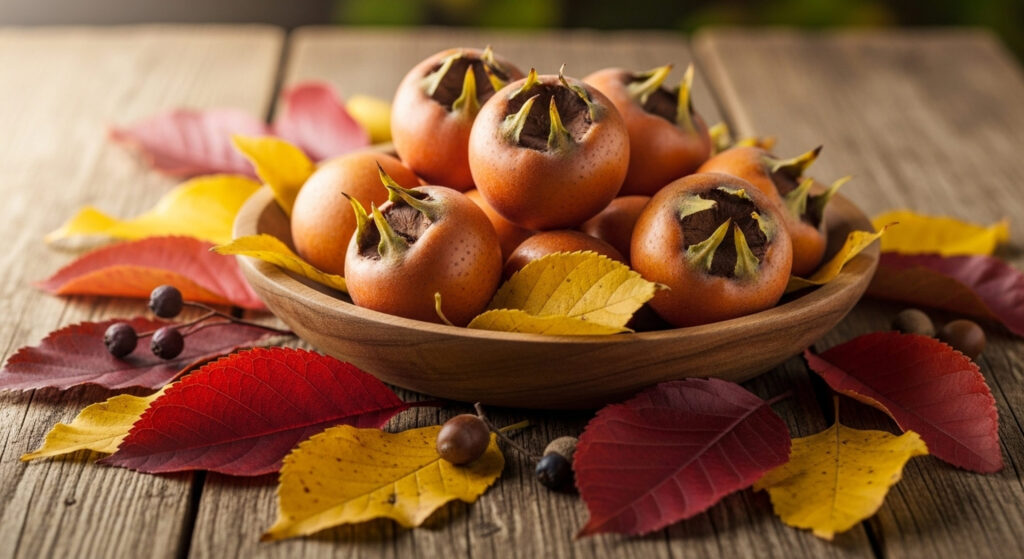
The medlar is probably one of the weirdest fruits you’ll ever encounter. With a name that sounds like something you’d find in a fantasy novel, it also has a peculiar requirement before it can be eaten—this fruit must rot. But here’s the twist: this “rotting” process, called bletting, turns the medlar into a soft, jam-like texture that many consider to be delicious.
While this may sound off-putting in today’s instant-gratification world, the medlar was once a delicacy in ancient Rome and medieval Europe. Used in everything from pies to wines, the medlar was beloved for its unique taste. As modern fruits took over, the medlar’s odd ripening process made it seem unappealing, but it’s time we look beyond appearances and give this quirky fruit a second chance.
Earthnut Pea
Before potatoes took the throne as the king of root vegetables, the Earthnut Pea was the go-to tuber in North America. This legume, which grows small, edible tubers, was an important food source for Native Americans who harvested it for its starchy goodness. It’s no surprise this humble vegetable was packed with nutrients and could be prepared in a variety of ways, from roasting to boiling.
But with the arrival of the potato, which could be grown in higher yields and larger quantities, the Earthnut Pea was pushed aside. Still, it’s a crop worth revisiting. In today’s world, where we’re looking for more diverse and sustainable food options, the Earthnut Pea could be a smart, eco-friendly addition to our diets.
Murray’s Plum
Once a staple in Texan orchards, the Murray’s Plum was known for its juicy, tart flavor that perfectly balanced sweetness and acidity. Named after botanist William Murray, the fruit was widely grown and used in preserves, wines, and even pies.
But over time, as urbanization and grazing encroached on its natural habitat, the Murray’s Plum became nearly extinct. Today, only a handful of trees are known to survive in the wild.
Reviving the Murray’s Plum isn’t just about reintroducing a forgotten fruit; it’s about bringing back a flavor that was loved by generations of Texans. This fruit has a vibrant history that deserves to be shared once more.
Fat Hen
Before spinach took center stage in European diets, Fat Hen was the go-to green. This wild edible was used in soups, stews, and salads, providing a nutritional punch full of vitamins and minerals.
It was so popular that it even had medicinal uses in indigenous communities. Yet, as farming moved towards more commercially grown crops, Fat Hen was edged out. Its wild nature made it a less attractive option for large-scale farming.
But in a time when people are seeking out wild foods and foraging is growing in popularity, the Fat Hen is primed for a comeback. It’s a sustainable, nutritious green that could easily make its way back into modern kitchens.
Tagua Nuts
You may have heard of Tagua Nuts, sometimes called vegetable ivory, but did you know they are edible, too? Harvested from the Tagua palm in South America, these nuts were once used as a substitute for ivory, carved into buttons, beads, and trinkets.
But what’s fascinating is that before they harden, they’re edible, with a subtly sweet, nutty flavor that can be used in cooking. While their use in crafting continues, the culinary potential of Tagua Nuts has been largely forgotten. This eco-friendly, sustainable nut deserves to be reintroduced not only as a crafting material but also as an ingredient in your next dish.
Ansault Pear
There’s something special about a French pear, and the Ansault Pear is no exception. With its smooth, buttery texture and delicate sweetness, this pear was once a star in French orchards. It was a favorite among those who enjoyed gourmet fruits and was often found in markets, ready to grace elegant desserts.
However, the Ansault’s tree shape, which was difficult to harvest on a large scale, made it less practical than other varieties. As a result, it gradually disappeared from mainstream agriculture. But in a world where consumers are increasingly interested in heirloom and artisanal foods, reviving the Ansault Pear could bring back a piece of French agricultural heritage.
Skirret
Before the potato became the backbone of European diets, Skirret was the root vegetable of choice. Known for its sweet, carrot-like flavor, Skirret was enjoyed in a variety of dishes, from stews to roasts.
But the potato’s rise to popularity left the Skirret to wither into obscurity. Despite this, the root still holds potential for today’s kitchens, offering a naturally sweet alternative to the potatoes we know so well. As we seek more diverse and sustainable root vegetables, Skirret could make a delicious comeback.
Tava (Matoa Fruit)
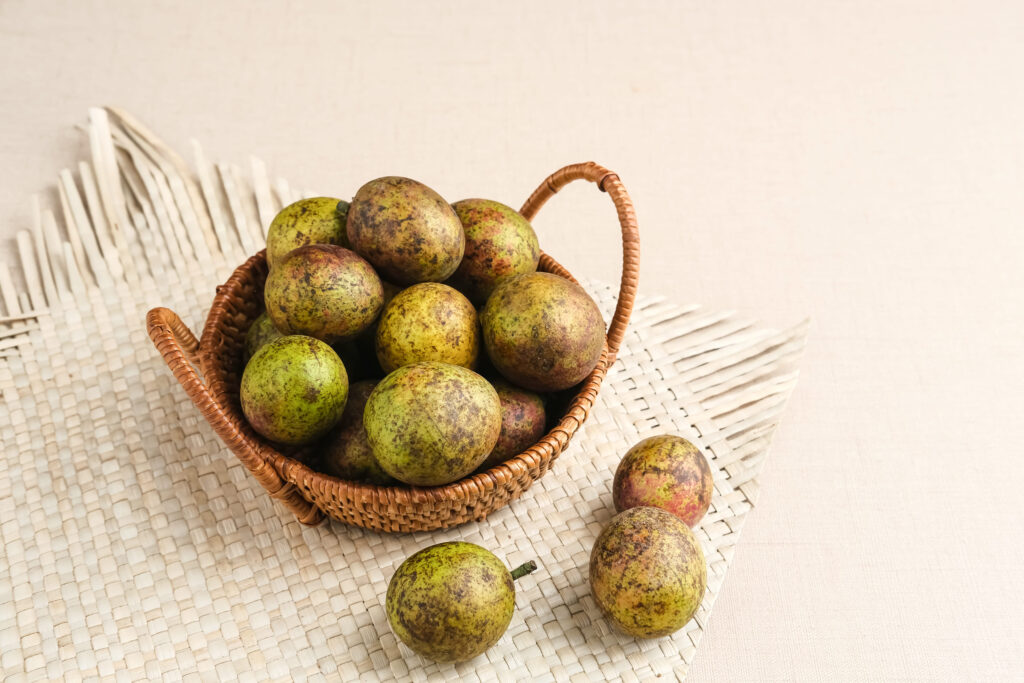
Native to the tropical islands of Indonesia and Papua New Guinea, the Tava, also known as the Matoa fruit, was once a staple in the diets of indigenous people. With its custard-like flesh and sweet, creamy flavor, it’s a tropical treat that rivals mangoes and papayas.
However, the Tava’s short growing season and specific environmental requirements have limited its ability to spread outside of its native regions. Reviving this fruit means connecting with a lost piece of tropical history and enjoying a flavor that’s far too rare in today’s markets.
Silphium
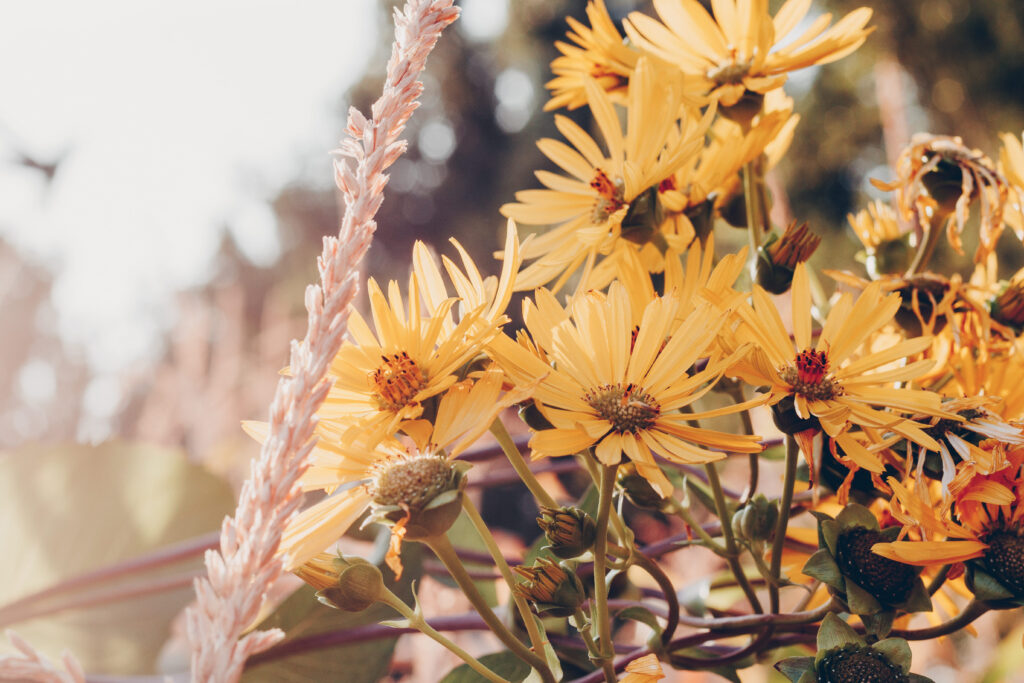
Silphium may be the most mysterious of all. Revered by the ancient Romans for its medicinal properties, culinary uses, and even as a form of contraception, this plant was so valuable that it was harvested to the point of extinction by the 1st century AD.
No one knows exactly what it looked like, tasted like, or how it was used in its entirety, but historical texts tell us it played a crucial role in Roman life. As we continue to rediscover ancient foods and remedies, Silphium is the perfect enigma. While it’s unlikely we’ll ever revive it, the idea of this lost miracle plant makes us think about how many other plants have been forgotten over time.