Every year, thousands of people end up in the hospital after a simple slip or fall in their own home. What’s worse? These accidents are often preventable. Whether it’s a slippery kitchen floor, a wet bathroom, or an unkempt backyard, your home could be hiding hazards you don’t even know about. Don’t wait for the next fall to happen, here’s what you need to know to protect yourself and your loved ones.
Preventing Slips and Falls in the Kitchen
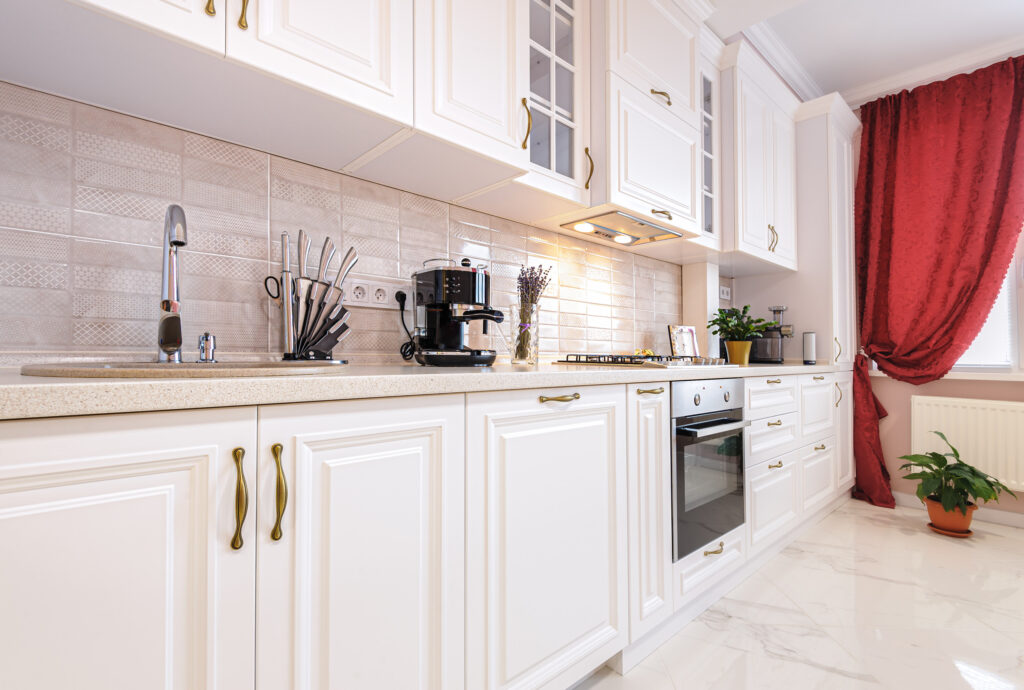
The kitchen is where most falls occur, often due to spills, uneven flooring, or inadequate lighting. Here are essential tips to improve kitchen safety:
Clean Up Spills Immediately
Water, grease, and food particles can quickly turn your kitchen floor into a slipping hazard. Always wipe up spills immediately, and avoid leaving wet towels or cloths on the floor. Use absorbent mats in high-traffic areas, especially around the sink and stove.
Install Slip-Resistant Flooring
Opt for slip-resistant materials like textured vinyl, cork, or rubber flooring. These surfaces provide more traction, reducing the likelihood of falls, especially when walking barefoot or in socks. If replacing your flooring isn’t an option, consider using non-slip rugs in areas where water or grease frequently splashes.
Proper Lighting
Dimly lit areas increase the risk of tripping. Ensure your kitchen is well-lit, especially near entryways, sink areas, and workspaces. Install under-cabinet lighting and ensure there’s adequate illumination along all walking paths.
Organize the Floor and Cabinets
Cluttered floors and cabinets can be major trip hazards. Keep pathways clear by storing pots, pans, and small appliances in cabinets and drawers. Use drawer organizers to avoid items spilling out. If your cabinets have high shelves, use step stools with safety rails to reach higher items.
Preventing Slips and Falls in the Bathroom
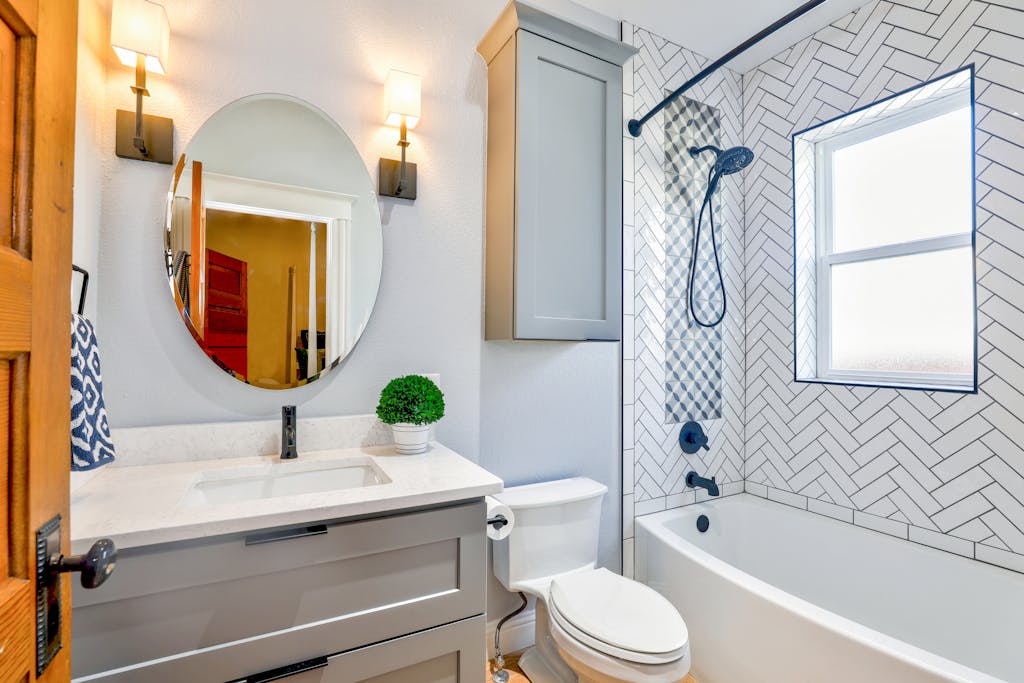
Bathrooms are notorious for being hazardous due to water and slippery surfaces. Implement these strategies to keep the bathroom a safe space:
Install Non-Slip Mats and Rugs
Place slip-resistant mats in the bathtub, shower, and on the bathroom floor. Avoid using rugs with slippery backings, and instead, use mats that securely grip the floor. Choose mats with quick-dry features to prevent mold and mildew buildup.
Use Grab Bars and Shower Chairs
Grab bars should be installed in areas near the toilet, shower, and bathtub to provide additional support when standing or sitting. Shower chairs are also a great addition for those with mobility issues, reducing the need to stand for long periods.
Ensure Adequate Lighting
Bathrooms are often small, but dim lighting can make movement within them difficult and unsafe. Install bright, energy-efficient bulbs, and use nightlights if necessary to ensure safety during nighttime visits.
Keep the Floor Dry
Water on the bathroom floor can be a major slip hazard. Make sure your shower curtain or shower doors keep water from splashing out. Always use a towel or mop to dry any excess water on the floor.
Preventing Outdoor Slips and Falls
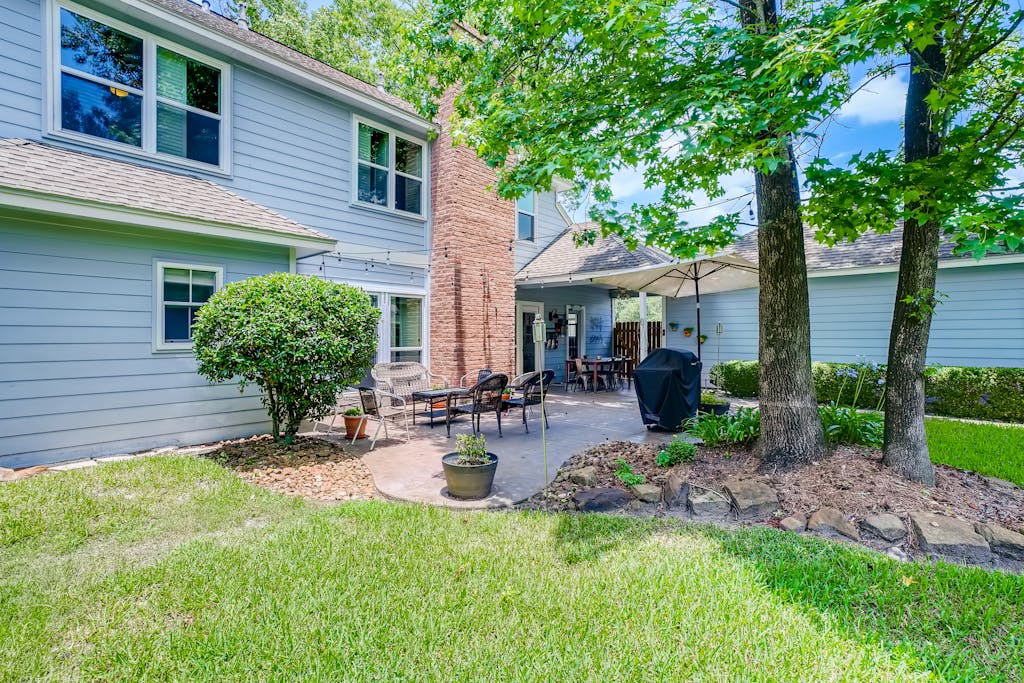
While indoors often gets the focus, backyard safety is just as critical. Outdoor spaces can be slippery due to weather, debris, and uneven surfaces. Take these precautions to avoid injuries:
Maintain Walkways and Paths
Uneven or cracked walkways can cause trips and falls. Regularly inspect paths and driveways for cracks and fix them immediately. If your backyard has steps or inclines, install sturdy handrails for added security.
Keep the Lawn Tidy
Tall grass, fallen leaves, and branches can all obstruct pathways and contribute to falls. Regularly mow the lawn, and clear debris from walkways and outdoor steps. Trim hedges and plants that obstruct views or make paths difficult to navigate.
Use Outdoor Rugs with Non-Slip Backing
If you have outdoor rugs or mats on the porch, patio, or garden, make sure they have non-slip backings to prevent them from sliding underfoot. Ensure they are secured properly, and replace them if they begin to wear out.
Ensure Safe Stairs and Decks
Decks and stairs are often wet, especially after rain, which can lead to falls. Install slip-resistant strips on stairs and ensure all railings are secure and in good condition. Apply a weatherproof sealant to wooden decks to prevent moisture buildup.
General Fall Prevention Tips for Your Home

Beyond individual areas, there are general strategies for fall prevention in any part of your home:
Wear the Right Footwear
The shoes you wear at home make a difference. Opt for shoes with non-slip soles, especially when walking in the kitchen or bathroom. Avoid walking around in socks or slippers that lack grip.
Ensure Clear Pathways
Ensure all hallways and entryways are free of obstacles such as shoes, bags, and furniture. Maintain clear pathways that allow for easy movement throughout the house. Use storage options to keep things off the floor and organized.
Consider Fall Detection Systems
For elderly family members or those with mobility issues, fall detection systems are invaluable. These devices, worn as pendants or wristbands, can detect a fall and alert emergency contacts or services.