Every year, millions of people suffer from slip and fall accidents in their own homes, accidents that could have been prevented with simple precautions. But despite the warnings, most homeowners overlook the dangers lurking right under their noses.
From wet floors to uneven walkways, the risk of a fall is real, and the consequences can be life-changing. So, why do we continue to ignore these hazards? The answer is simple: we don’t know where to start.
This article is here to change that. We’ll break down the most common slip-and-fall risks and show you how easy it is to make your home a safe, slip-free zone.
The Importance of Slip and Fall Prevention
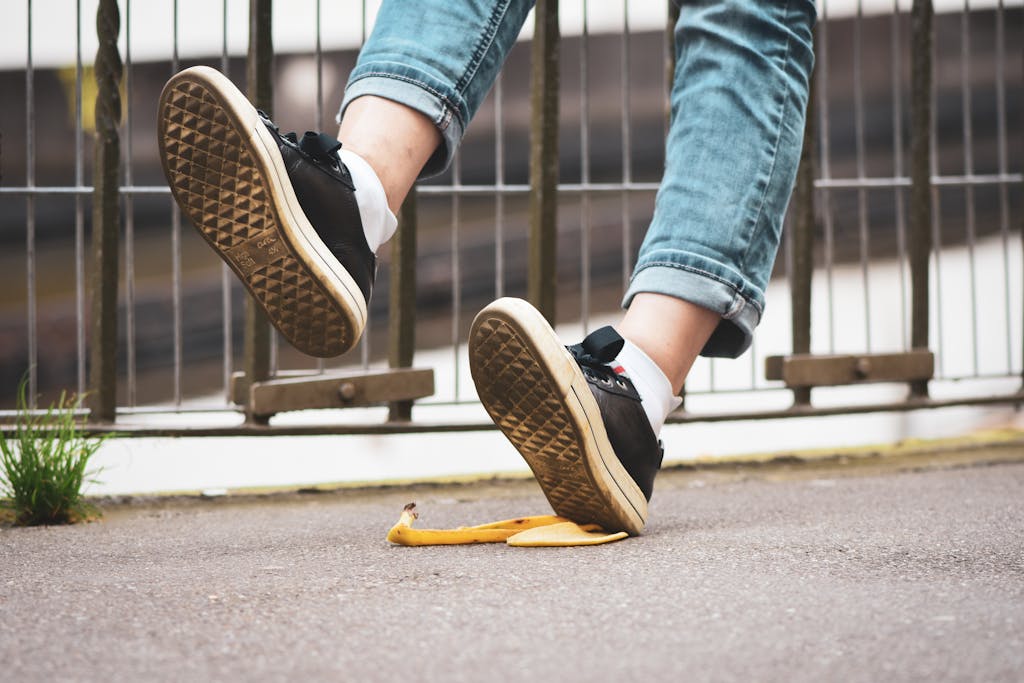
Slips and falls are not just inconvenient; they can lead to serious injuries, particularly for the elderly and those with mobility challenges. According to the CDC, falls are the leading cause of both fatal and nonfatal injuries among adults aged 65 and older. In fact, one out of every four adults over the age of 65 will experience a fall each year, many of which occur in the home. In addition to physical harm, these accidents can lead to a loss of independence, making prevention critical for everyone.
How to Stay Safe Inside Your Home
Keep Floors Dry and Clean
A wet or dirty floor is one of the most obvious slip hazards in any home. Moisture from spilled drinks, cleaning products, or even rainy weather can create dangerous situations. To reduce this risk:
- Clean up spills immediately.
- Install absorbent mats in high-traffic areas, especially near entrances.
- Use non-slip rugs or mats, particularly in bathrooms and kitchens, and ensure they have a non-slip backing.
- Consider using slip-resistant floor finishes in areas prone to water exposure, such as bathrooms and kitchens.
Eliminate Clutter and Obstructions
Cluttered floors are a leading cause of falls, particularly in hallways, bedrooms, and living rooms. A stray piece of furniture, a misplaced shoe, or electrical cords can all pose serious threats. To minimize clutter:
- Always keep walkways and aisles clear of obstacles.
- Secure loose wires and cords to walls or behind furniture.
- Store items off the floor in shelves or cabinets to avoid tripping hazards.
Install Handrails and Grab Bars
Handrails in stairways and grab bars in bathrooms are essential for preventing falls. These additions provide support and stability, especially in areas where slippery conditions are most common.
- Install handrails on both sides of stairways for added security.
- Place grab bars near bathtubs, showers, and toilets to help with balance.
Maintain Proper Lighting
Inadequate lighting is a common cause of indoor falls. Poorly lit areas make it difficult to see potential hazards, especially during the night. Ensure that:
- Hallways, staircases, and bathrooms are well-lit.
- Nightlights are installed in bedrooms and bathrooms to make navigation easier at night.
- Motion-sensing lights are used in frequently trafficked areas, such as kitchens and hallways.
Use Non-Slip Footwear
Slippery floors are dangerous, but improper footwear can make falls even more likely. To improve traction indoors:
- Wear shoes with non-slip soles, especially when walking on tile, hardwood, or other slippery surfaces.
- Avoid walking around barefoot or in socks on slick floors.
Ensuring Safety in Your Yard

Clear Walkways and Driveways of Debris
Outdoor paths can quickly become obstructed by debris such as fallen leaves, branches, and stones. These materials can cause people to trip and fall. Regular maintenance of walkways and driveways is crucial.
- Sweep sidewalks, patios, and driveways regularly to remove debris.
- Check for uneven pavement or cracks and repair them promptly.
- Use a leaf blower in the fall to keep pathways clear.
Address Uneven Terrain and Potholes
Outdoor areas with uneven terrain, such as sloped lawns or garden paths, increase the risk of tripping and falling. To address this:
- Even out surfaces by filling in low spots and repairing potholes or cracks.
- Add stepping stones or pavers to uneven areas to create a more stable surface.
- For sloped areas, consider building retaining walls to reduce the slope and create flat, walkable areas.
Maintain Outdoor Stairs and Railings
Just like indoor stairways, outdoor stairs need to be safe to prevent falls. Ensure that all stairs are sturdy, visible, and free of obstructions.
- Install handrails on both sides of the outdoor stairs.
- Paint stairs with high-contrast colors to improve visibility.
- Repair any damaged or uneven stairs immediately.
Install Proper Lighting for Outdoor Areas
Outdoor lighting is just as important as indoor lighting for fall prevention. Poor visibility increases the risk of trips and falls on outdoor paths and stairs.
- Install motion-sensor lights along walkways, staircases, and driveways.
- Use bright, energy-efficient bulbs for optimal visibility.
- Place lights strategically to illuminate potential hazards, such as uneven ground or steps.
Use Non-Slip Outdoor Mats and Rugs
Outdoor rugs and mats can provide comfort and style, but they must be carefully chosen to avoid creating additional hazards.
- Select non-slip outdoor mats and rugs with sturdy backing to prevent slipping.
- Place mats at entryways and along walkways to absorb moisture and provide extra grip.
The Role of Technology in Fall Prevention
Smart Devices for Fall Detection
With the advancements in technology, there are now smart devices designed specifically for fall detection. These devices can be worn as pendants, bracelets, or integrated into smart home systems. If a fall occurs, they can send alerts to loved ones or emergency services, ensuring that help is dispatched quickly.
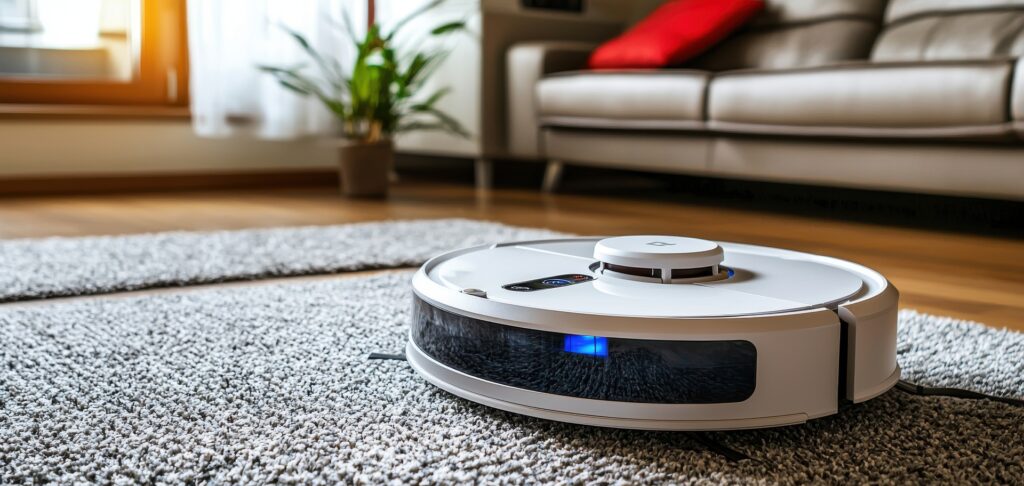
Robotic Vacuum Cleaners
Another technological tool that can help prevent falls is robotic vacuum cleaners. These devices help maintain clean floors by automatically sweeping and cleaning without human intervention. A cleaner floor means fewer chances of slipping on debris or dust.