Over the years, we’ve witnessed countless delicious treats and snacks come and go. Some faded due to changing tastes, while others vanished entirely, often for reasons beyond our control.
These once-beloved foods held a special place in our hearts, but now we can only remember them fondly.
From controversial recipes to business struggles, let’s explore the top 10 treats that have disappeared forever, leaving us with nothing but nostalgia.
Jell-O Pudding Pops
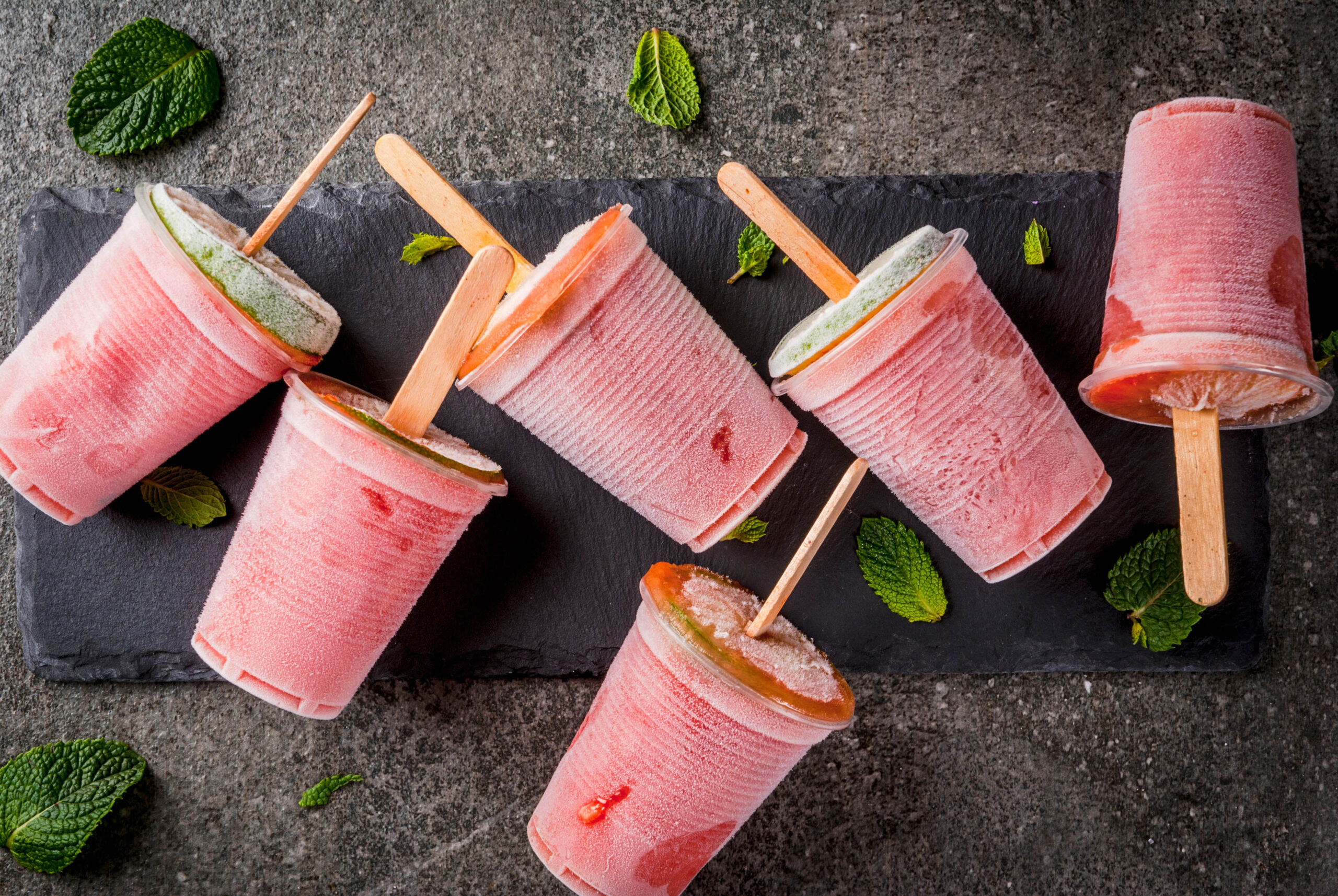
Ah, Jell-O Pudding Pops, an iconic treat from the ’80s and early ’90s. These frozen desserts, often advertised by Bill Cosby, were irresistible to kids and parents alike. Their creamy texture and chocolatey goodness made them a staple in many households.
Unfortunately, poor sales in the ’90s led to their discontinuation. Despite a brief comeback in 2004 by Popsicle, the new recipe and altered molds failed to capture the original’s magic. If you’re craving that nostalgic taste, you’re going to have to get creative and make your own.
McDonald’s Happy Meal Cookies
chocolate-chip or animal-crackerMcDonald’s has always had its fair share of treats, but the Happy Meal cookies from the ’70s and ’80s were something special. Originally available in either chocolate chip or animal cracker forms, these cookies were a regular part of Happy Meals for years.
But as McDonald’s evolved, so did its menu. The cookies, once loved by many, faded away in the ’90s, leaving behind only fond memories and the occasional online seller. Wouldn’t it be nice if McDonald’s brought these back?
Sunny D
In the ’90s, Sunny D, marketed as a healthier alternative to orange juice, became a household name. The orange drink, often marketed as “the purple stuff,” wasn’t what it seemed.
Though the drink initially made a splash with its catchy commercials, it came with hidden risks, including the infamous case of a young girl turning yellow from excessive consumption.
Public backlash over the drink’s misleading marketing, combined with its questionable ingredients, led to a decline in its popularity. While it still exists today, it’s a far cry from the original recipe and no longer enjoys the same cultural significance.
Candy Cigarettes
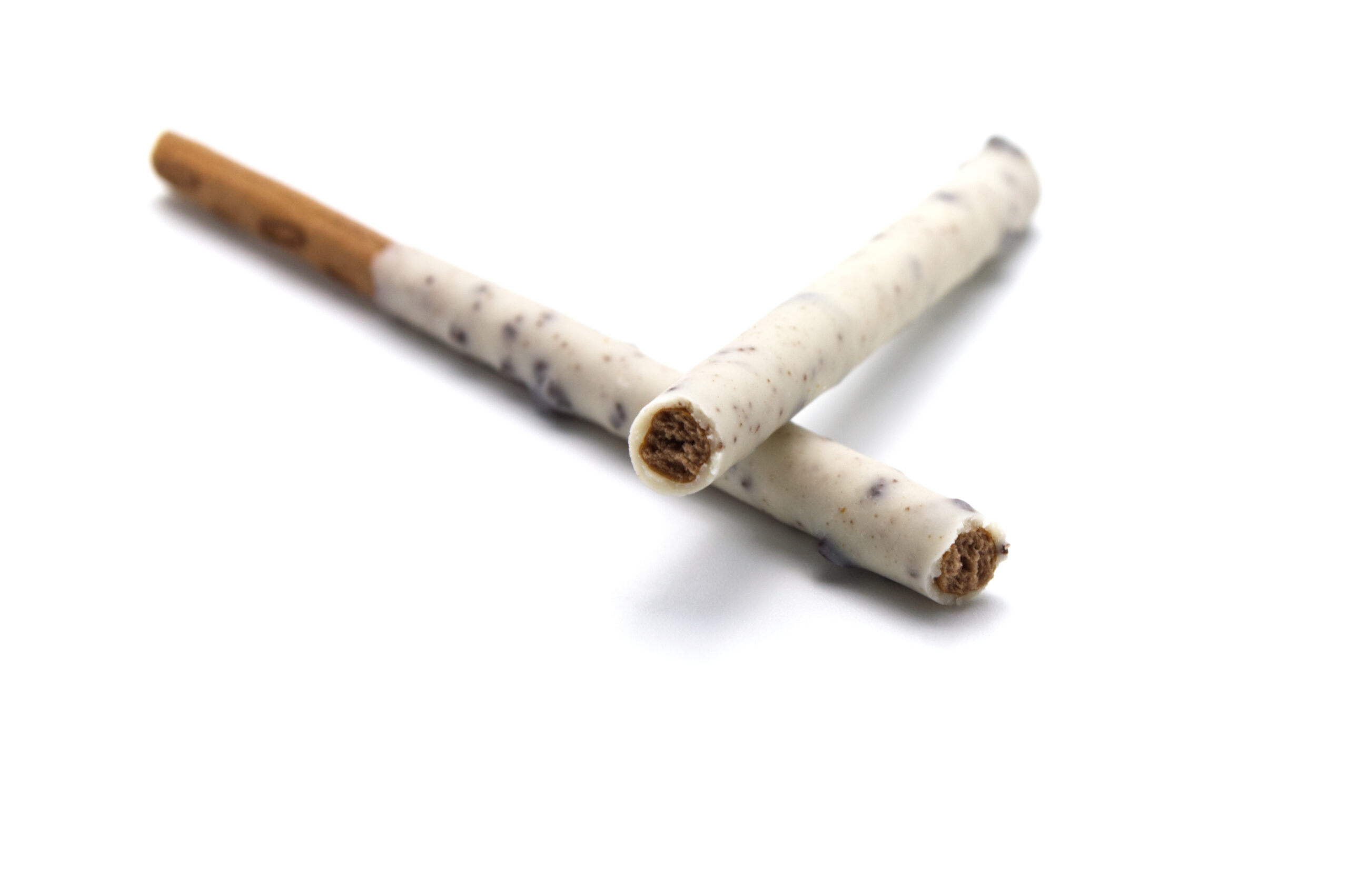
Once seen as a fun novelty for children, candy cigarettes were a 20th-century product that faced serious criticism. Sold in boxes mimicking real cigarette packaging, these candy sticks were typically made of sugar, chocolate, or gum.
Their marketing was intended to resemble smoking but led to a backlash over their potential influence on young minds.
As anti-smoking campaigns ramped up, candy cigarettes were banned or heavily regulated in many countries. Today, they still exist, but under different names and with a revised marketing approach.
Life Savers Holes
In 1990, Life Savers introduced a new product called Life Savers Holes, essentially the center of the ring-shaped candies that had made the brand famous. The marketing pitch was simple: why not sell the part of the candy that was typically discarded?
The product quickly gained attention, but unfortunately, the novelty wore off. Despite a relaunch with new packaging, the product never regained its popularity and was discontinued.
For those who remember them, Life Savers Holes will remain a quirky piece of candy history.
Lay’s WOW Chips
When Frito-Lay introduced WOW Chips in 1998, it seemed like a revolutionary snack. The fat-free chips were marketed as the perfect solution for health-conscious consumers who didn’t want to sacrifice flavor.
Unfortunately, the fat substitute used, Olestra, caused some unpleasant side effects like cramps and diarrhea. The backlash was swift, with many consumers complaining about the adverse effects.
The chips were eventually rebranded as “Light” but never regained their former popularity. A perfect example of a snack that promised too much and delivered too little.
Gatorade Gatorgum

In the late ’70s, Fleer Corporation introduced Gatorgum, a Gatorade-flavored chewing gum. Marketed as a thirst-quencher, Gatorgum promised to hydrate you while freshening your breath. However, the gum’s popularity never matched the drink’s success.
It stayed on shelves until the late ’80s, when it disappeared, much to the disappointment of fans. After its license expired, Gatorgum was gone for good, and its legacy has since become a fun fact for those who remember it.
Nestlé Magic Ball
The Nestlé Magic Ball, introduced in the ’90s, was a fun take on the popular Kinder Surprise from Europe. The treat consisted of a large milk chocolate ball with a toy hidden inside.
The surprise element was what made it so special; children would eagerly anticipate the small Disney figurine or trinket inside. However, safety concerns arose due to the choking hazards posed by the small toys.
This led to the product being pulled from shelves in 1997. Although rebranded and reintroduced as the Wonder Ball in 2000, it never recaptured the original’s magic.
Four Loko
Four Loko was introduced in 2005 as an energy drink mixed with alcohol, marketed primarily to college students. The combination of caffeine, taurine, and alcohol made the drink both exhilarating and dangerous.
After reports of intoxicated college students suffering from blackouts, the FDA intervened. The company eventually removed caffeine and other stimulants, but the damage had been done.
Four Loko’s original formula has become a relic of a reckless time in the world of alcoholic beverages, now available only on the black market.
Haribo Sugar-Free Gummy Bears

Haribo’s sugar-free gummy bears, sweetened with maltitol, seemed like a healthier option for candy lovers. However, they came with a hefty price: digestive distress.
The maltitol used in the bears has been known to cause extreme bloating, diarrhea, and even more severe gastrointestinal issues.
This resulted in a significant drop in sales and a tarnished brand reputation. Though they are still available today, Haribo’s sugar-free gummy bears will forever be remembered as the candy that left more than just a sugary aftertaste.
Conclusion
In the world of snacks and treats, many once-popular products have met untimely ends due to a combination of poor sales, safety concerns, and changing consumer preferences.
While some of these treats may have had a good run, it’s clear that the market is constantly evolving, and some beloved snacks will never make a comeback.
Whether due to health concerns, consumer backlash, or changing trends, these treats remain an unforgettable part of snack history.