Biotin gets talked about like it is a beauty shortcut, but that sells it short. This B vitamin helps the body convert food into energy, supports normal metabolism, and helps keep your nervous system functioning properly. Adults generally need about 30 micrograms a day, and most people can get enough from food without chasing trendy supplements. That makes biotin-rich meals a smarter place to start.
Sunflower seeds

Sunflower seeds are proof that a small food can still bring real nutritional value. A quarter-cup serving provides about 2.6 micrograms of biotin, and you also get healthy fats, some protein, and minerals like magnesium. Toss them on oatmeal, yogurt, salads, or roasted vegetables, and suddenly “eating for nutrients” feels much less like homework.
Soybeans
If you want a non-animal source, soybeans deserve attention. Soybeans provide about 19.3 micrograms of biotin per 100 grams, which makes them one of the richest plant-based picks on the list. They also bring protein to the plate, so edamame, tofu, tempeh, and soy milk can pull double duty in a balanced diet.
Salmon
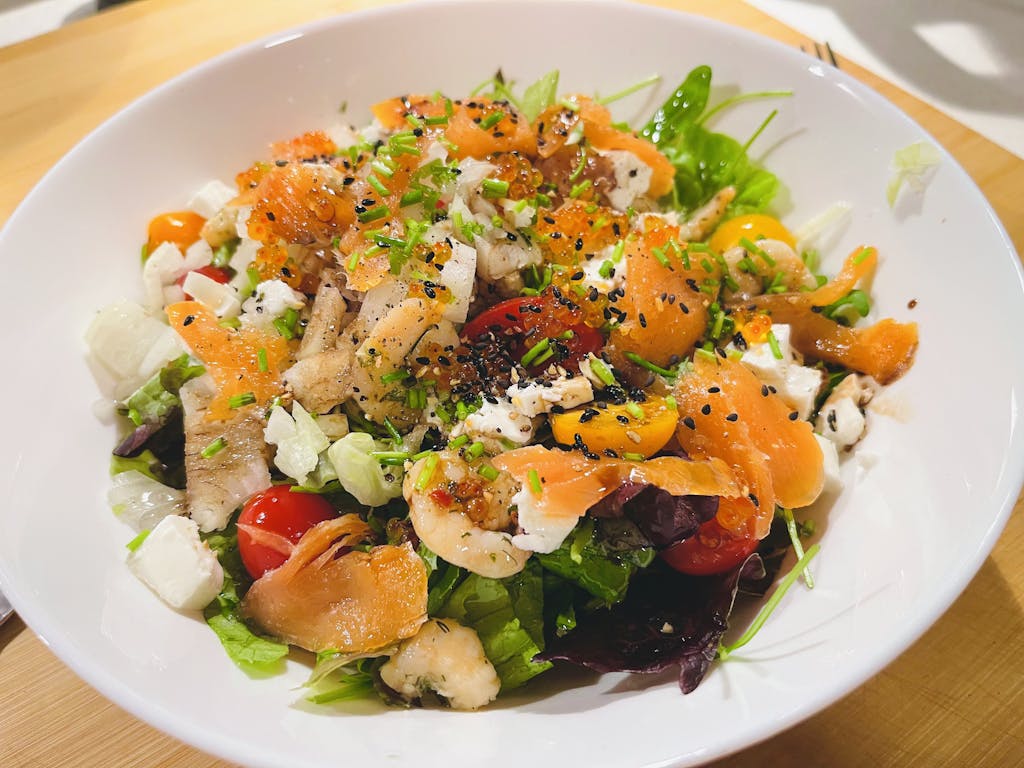
Salmon is one of those foods that keeps earning its good reputation. A 3-ounce serving provides about 5 micrograms of biotin and delivers omega-3 fats and protein, making it a strong all-around choice for anyone trying to eat better without overthinking it. It is easy to grill, bake, pan-sear, or flake into salads and rice bowls, so it fits real life too.
Sardines
Sardines do not always get the love they deserve, but they should. One can contains about 5 micrograms of biotin, and sardines also provide omega-3 fats and calcium, as their soft bones are edible. They are one of those old-school pantry staples that quietly do a lot of nutritional heavy lifting.
Egg yolks
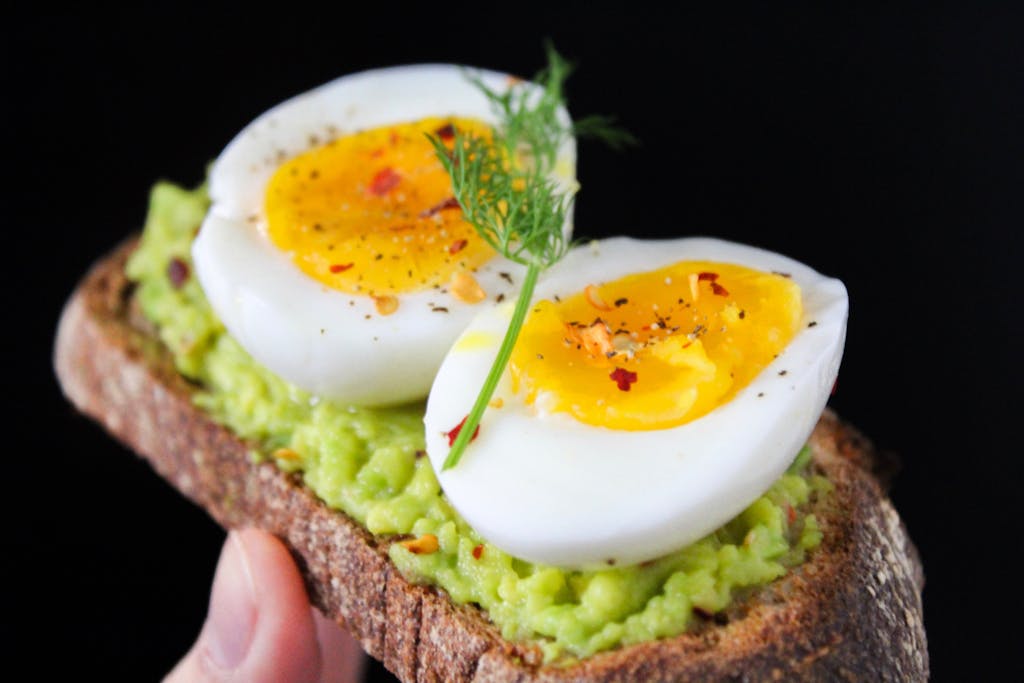
Egg yolks are a standout source, with about 10 micrograms of biotin per egg. They also come with choline and protein, which helps explain why eggs stay on so many dietitians’ shortlists. One important detail: raw egg whites contain avidin, a protein that binds biotin and can reduce absorption, but cooking changes that, so cooked eggs are the better call.
Brewer’s yeast
Brewer’s yeast is not as common in everyday cooking, but it is impressively rich in biotin. It can provide up to 14 micrograms per tablespoon, which is a serious boost from a small amount. People often stir it into smoothies, soups, baked goods, or other recipes where it blends in easily.
Sweet potatoes
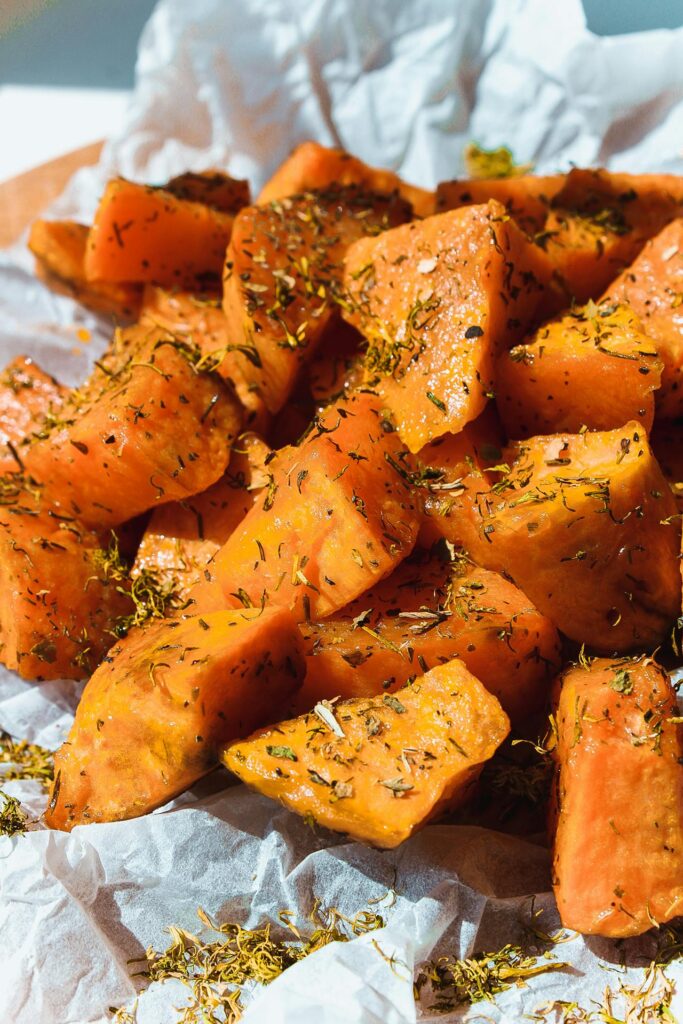
Sweet potatoes are not the highest source on the list, but they are still worth eating. A half-cup serving offers about 2.4 micrograms of biotin, and you also get fiber and beta-carotene, which the body converts to vitamin A. Roasted wedges, mashed sweet potatoes, or cubes tossed into grain bowls can all help you build a meal that feels satisfying rather than restrictive.
Beef liver
Beef liver is easily the most concentrated source on this list. A 3-ounce serving provides about 30.8 micrograms of biotin, which is right around the full daily value for adults. It is not a food everyone loves, but from a pure nutrient standpoint, it absolutely earns its place at the top.
Almonds

Almonds are not biotin bombs, but they are useful because they are so easy to eat regularly. A quarter-cup provides about 1.5 micrograms of biotin and also offers vitamin E and heart-healthy fats. That makes them a smart “little by little” food rather than a miracle ingredient.
Mushrooms
Mushrooms are another helpful option, especially for people who want more variety beyond eggs and fish. One cup of button mushrooms contains about 5.6 micrograms of biotin, and mushrooms also contribute other B vitamins and antioxidants. They work in pasta, soups, stir-fries, omelets, and sandwiches, which makes them one of the easiest foods on this list to use often.
Conclusion
Biotin matters, but deficiency is considered rare, and most people already get enough from a varied diet. The smarter takeaway is not to obsess over one vitamin or expect one food to transform your hair overnight. It is to build meals around a mix of nutrient-dense foods like eggs, fish, legumes, nuts, seeds, and vegetables so your body gets steady support instead of hype.