The saying “An army marches on its stomach” has long been a guiding principle of military logistics, and for good reason. For centuries, the U.S. military has worked tirelessly to develop food that can withstand the rigors of war while providing soldiers with the nutrients and energy they need to perform at their bes
Many of the food technologies we take for granted today were first developed to meet the demands of the battlefield. These innovations, born from necessity, have revolutionized the food industry and found their way into our homes, proving that sometimes, the most unexpected inventions come from military needs.
Instant Coffee
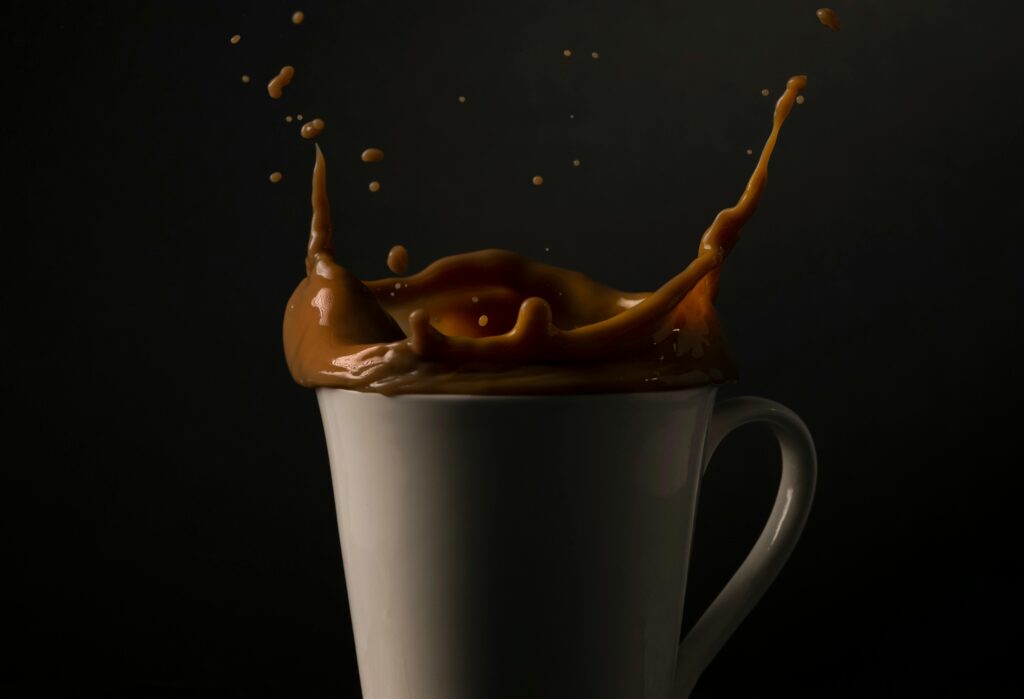
Instant coffee may seem like an everyday convenience, but it has its origins in military necessity. The U.S. Army first began experimenting with dehydrated coffee during the Spanish-American War in 1898, seeking a solution to providing soldiers with caffeine in the field.
However, it wasn’t until World War I that instant coffee, or “Red Cross coffee,” became a staple for soldiers. The G. Washington Coffee Company perfected the process, leading to mass production that was later marketed to the public after the war. By World War II, the U.S. military’s demand for instant coffee transformed it into a permanent fixture in the civilian market.
Stale-Resistant Bread

Bread, once a logistical headache for military suppliers, became a focus of scientific innovation in the 1950s. Traditional bread would go stale quickly, creating a need for a softer, longer-lasting loaf that could be shipped to troops without losing quality.
Researchers at Kansas State University worked with the U.S. military to develop a method of keeping bread soft and fresh for weeks by using specific fatty acids and enzymes to inhibit starch crystallization. This breakthrough not only changed military rations but also led to the soft bread we use for sandwiches today.
Shelf-Stable, Restructured Meat Products
The U.S. military has long grappled with providing soldiers with protein in a compact, easily transportable form. In the 1960s, the Army sought to create a uniform, shelf-stable meat product. The solution was restructured meat, created by grinding lower-cost cuts, adding binders, and pressing the mixture into a uniform shape.
This technology eventually led to the creation of products like McDonald’s Chicken McNuggets and the McRib, which rely on this process of fabricating meat for mass production and ease of transport.
Frozen Orange Juice Concentrate
Frozen orange juice concentrate was a military innovation born from the need to prevent vitamin deficiencies, particularly scurvy, in troops deployed in tropical regions. The U.S. Army sought a way to provide soldiers with fresh, nutrient-rich orange juice that wouldn’t spoil during transport.
USDA scientists developed a method of vacuum-concentrating and freezing the juice, which led to the creation of the frozen concentrate we use today. After the war, the technology was commercialized, and Florida Foods Corp.Later, Minute Maid became one of the first companies to bring it to supermarkets.
Energy Bars
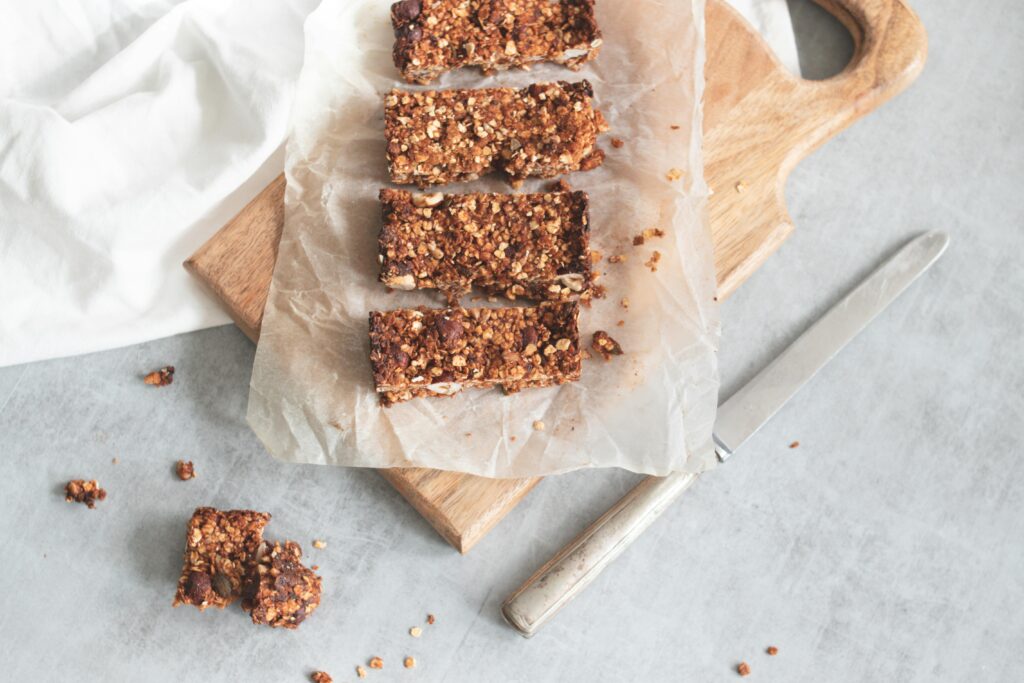
The idea of an energy bar can be traced back to the U.S. military’s efforts to create a high-calorie, portable food source for soldiers. In the late 1930s, the U.S. Army partnered with the Hershey Company to develop a fortified ration bar, resulting in the Logan D ration.
The bar was calorie-dense but unappetizing, intended only for emergencies. By the 1960s, the military improved the bar’s taste and texture, collaborating with NASA scientists to develop advanced moisture control. This innovation led to the creation of Space Food Sticks and, ultimately, to the modern energy bar market we know today.
Non-Melting Chocolate
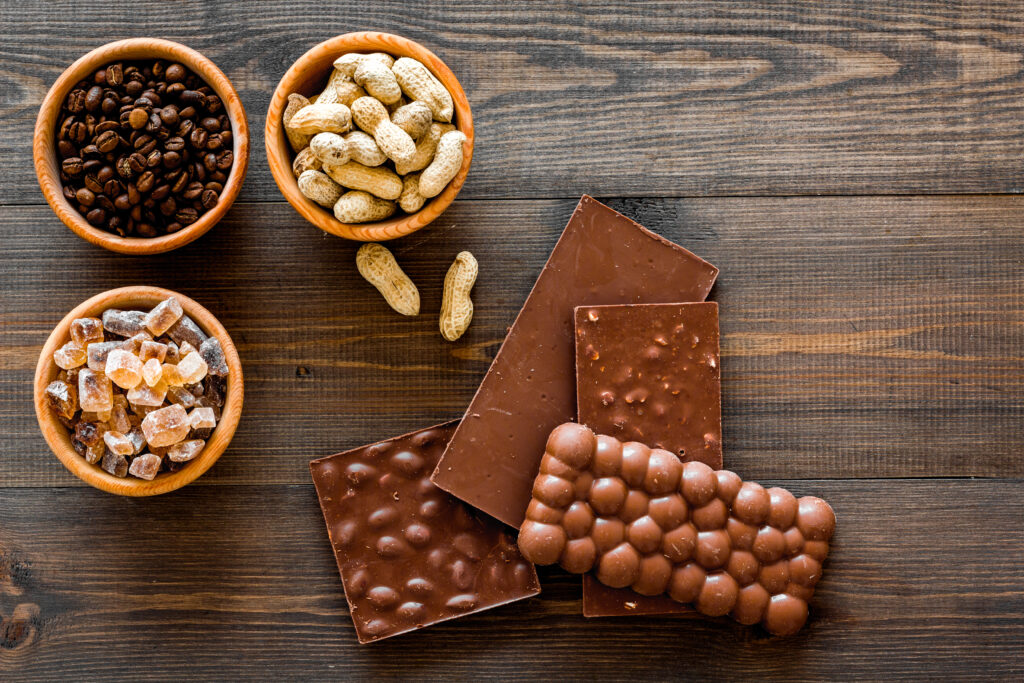
Before M&M’s, the U.S. Army faced the challenge of creating a chocolate that wouldn’t melt in hot climates. In the 1930s, the Army commissioned Hershey to create a chocolate bar that could withstand tropical temperatures without melting. The result was the “D ration,” a non-melting, highly fortified chocolate bar.
Although the D ration was too bitter for most soldiers, it paved the way for the development of the Tropical Chocolate Bar, which could withstand temperatures up to 120°F (49°C) without melting. The technology behind this innovation later contributed to the development of non-melting chocolate and snack bars.
Potato Flakes
Instant mashed potatoes are perhaps among the most successful consumer products to emerge from military food innovation. During World War II, the U.S. military sought a way to provide soldiers with a convenient, non-perishable source of carbohydrates.
The solution was the development of potato flakes, a process perfected by USDA researchers that involved cooking, mashing, cooling, and dehydrating potatoes into thin sheets. This technology was licensed to the civilian sector in the 1950s, and companies like Pillsbury and Idahoan brought instant mashed potatoes to grocery store shelves, forever changing the way we prepare mashed potatoes.
Dehydrated Cheese Powder
Dehydrated cheese powder, the key ingredient in many of our favorite cheese-flavored snacks, was developed during World War II . It was a part of the military’s efforts to create a shelf-stable, lightweight food product. The Quartermaster Corps purchased massive amounts of cheese and funded research into dehydrating dairy products.
In 1943, USDA scientist George Sanders developed the first successful dehydrated cheese powder, which was later used to coat Frito’s new cornmeal puffs, Cheetos. This process remains at the heart of cheese snacks like Goldfish crackers and boxed macaroni and cheese.