Diet soda looks innocent. It has little or no sugar, almost no calories, and the word “diet” makes it sound like the smarter choice. For many adults, especially those aged 30 to 65, it feels like a small reward with little cost.
The drink is not poison. One can not ruin your life. Still, drinking diet soda every day may carry several risks that are easy to overlook, because the damage does not always show up right away.
It Keeps Your Sweet Tooth Wide Awake

Diet soda may not have regular sugar, but it still tastes very sweet. That strong, sweet taste can keep your mouth and brain used to sweetness. Over time, plain water may become boring, and fruit may not taste as sweet.
That matters because your daily drink habits can shape your food choices. The World Health Organization has advised that non-sugar sweeteners should not be used as a long-term tool for weight control because they do not appear to be effective in the long term.
That does not mean every diet soda is dangerous, but it does mean the “zero sugar” label does not make it a free pass.
The Weight-Loss Promise Can Be Misleading
Many people choose diet soda because they want fewer calories. That makes sense on the surface. Swapping a sugary soda for a diet version may reduce sugar intake, but it does not always lead to better eating habits.
The problem is simple. Some people drink diet soda and then feel they have “earned” a bigger snack, a larger meal, or an extra dessert. Mayo Clinic notes that the evidence on diet soda is unclear, and sugar substitutes do not seem to help people lose or keep off weight over the long term.
Your Brain May Not Love It As Much As Your Mouth Does
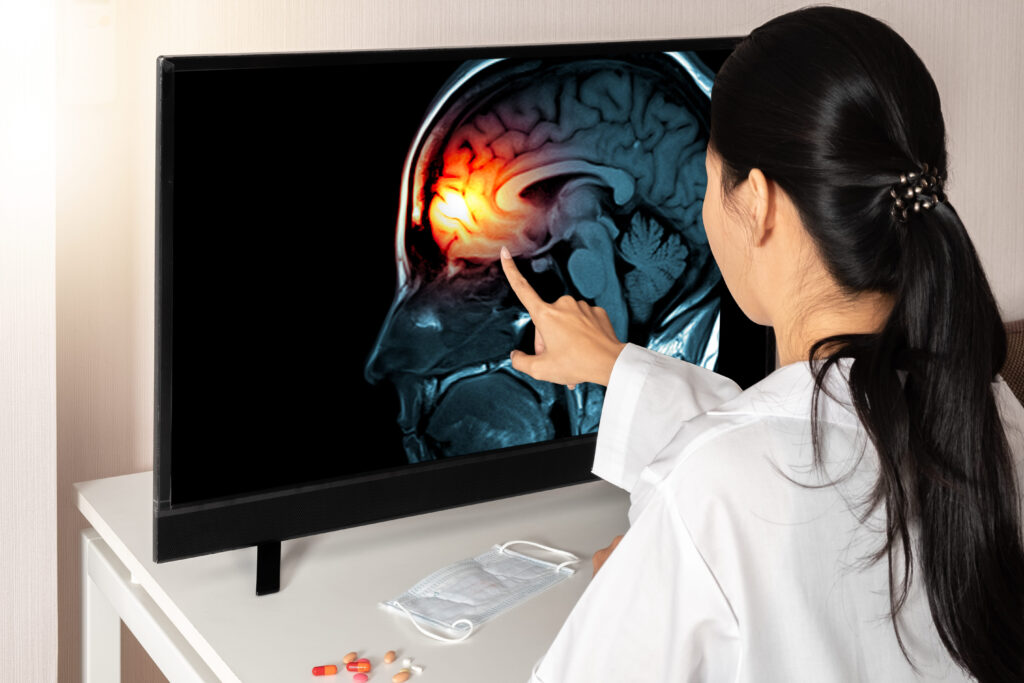
Brain health becomes more important after 30 because stress, sleep, blood pressure, and dietary choices start to add up. That is why daily drinking habits matter. What feels small at lunch can become a routine that follows you for years.
A large Framingham Heart Study paper found that artificially sweetened soft drinks were linked with a higher risk of stroke and dementia. However, the study showed an association, not proof that diet soda directly caused those problems. Still, it is enough to make many adults think twice about making it an everyday habit.
Your Heart May Notice Before You Do
The heart often gives quiet warnings before it gives loud ones. A racing beat, poor sleep, stress, or tiredness can all feel like normal adult life. That is why heart health should not be overlooked when considering daily drinks.
Research shared by the American Heart Association in 2024 found that both sugar-sweetened and artificially sweetened drinks were linked with a higher risk of atrial fibrillation, an irregular heart rhythm. Now, imagine combining it with some of the worst foods for your heart
This does not mean diet soda alone causes heart trouble, but it does suggest that regular intake may not be as harmless as people once believed.
The Caffeine Can Mess With Your Sleep

Some diet sodas contain caffeine. Caffeine can help you feel awake, but it can also stay in your body longer than you expect. That late afternoon can still be doing its job when your body wants to rest.
Good sleep helps memory, mood, focus, and weight control. The FDA says up to 400 milligrams of caffeine a day is generally not linked with negative effects for most adults, but people handle caffeine differently. The CDC also advises avoiding caffeine in the afternoon or evening to support better sleep.
Your Teeth Still Have To Fight The Acid
Many people think sugar is the only thing that hurts teeth. That is not true. Diet soda may skip the sugar, but it can still be acidic. Acid can wear down tooth enamel, which is the hard outer layer that protects your teeth.
The American Dental Association says frequent consumption of soft drinks, especially carbonated sodas, is a major risk factor for tooth erosion. So even when the drink is sugar-free, sipping it all day can still make your teeth work harder.
The Smarter Move Is Not Panic, It Is Balance
Diet soda does not need to become a villain in your fridge. The real issue is habit. A can once in a while is very different from using it as your main drink every day.
Water, unsweetened tea, plain coffee, sparkling water, and nutrient-rich drinks can make for better daily choices. The CDC recommends water as a smart swap and also lists plain tea, plain coffee, seltzer, and unsweetened flavored water as low-calorie options.
Conclusion
Diet soda feels safe because it has no sugar and few calories. That is why so many adults still trust it. But the quiet risks are worth knowing, especially if it has become a daily habit.
The goal is not fear. The goal is awareness. Your brain, heart, sleep, teeth, and long-term health may thank you for making diet soda an occasional treat instead of your everyday drink.